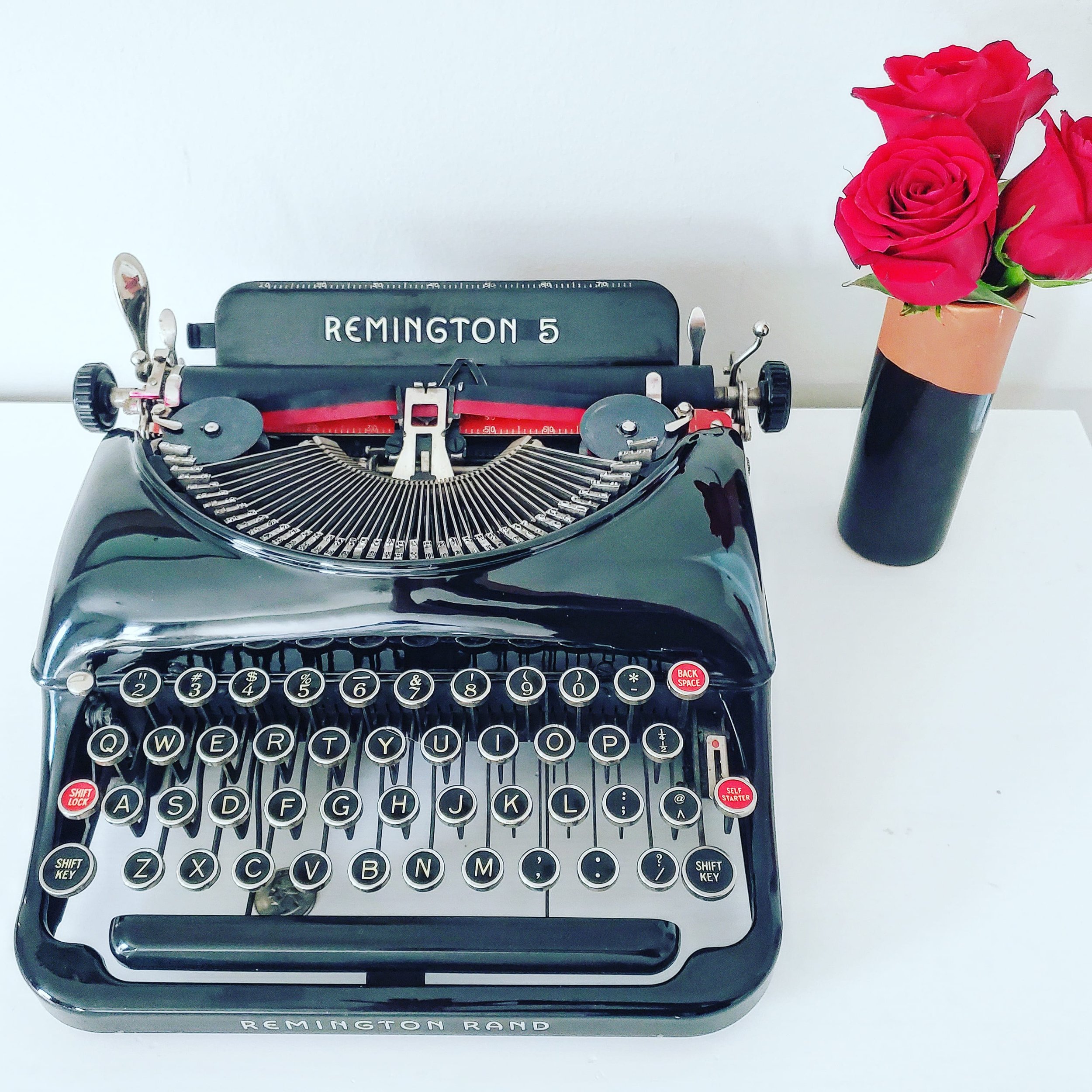
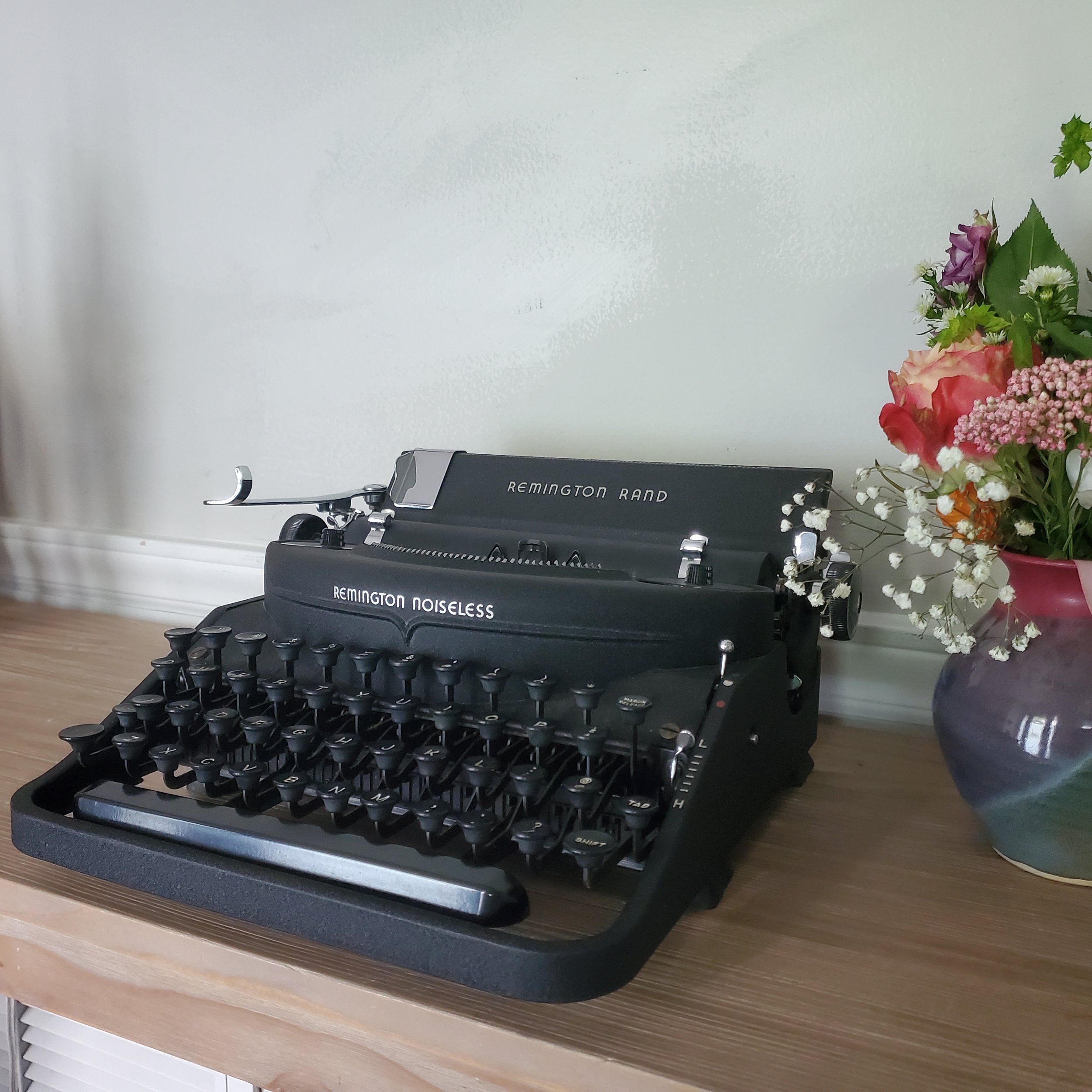
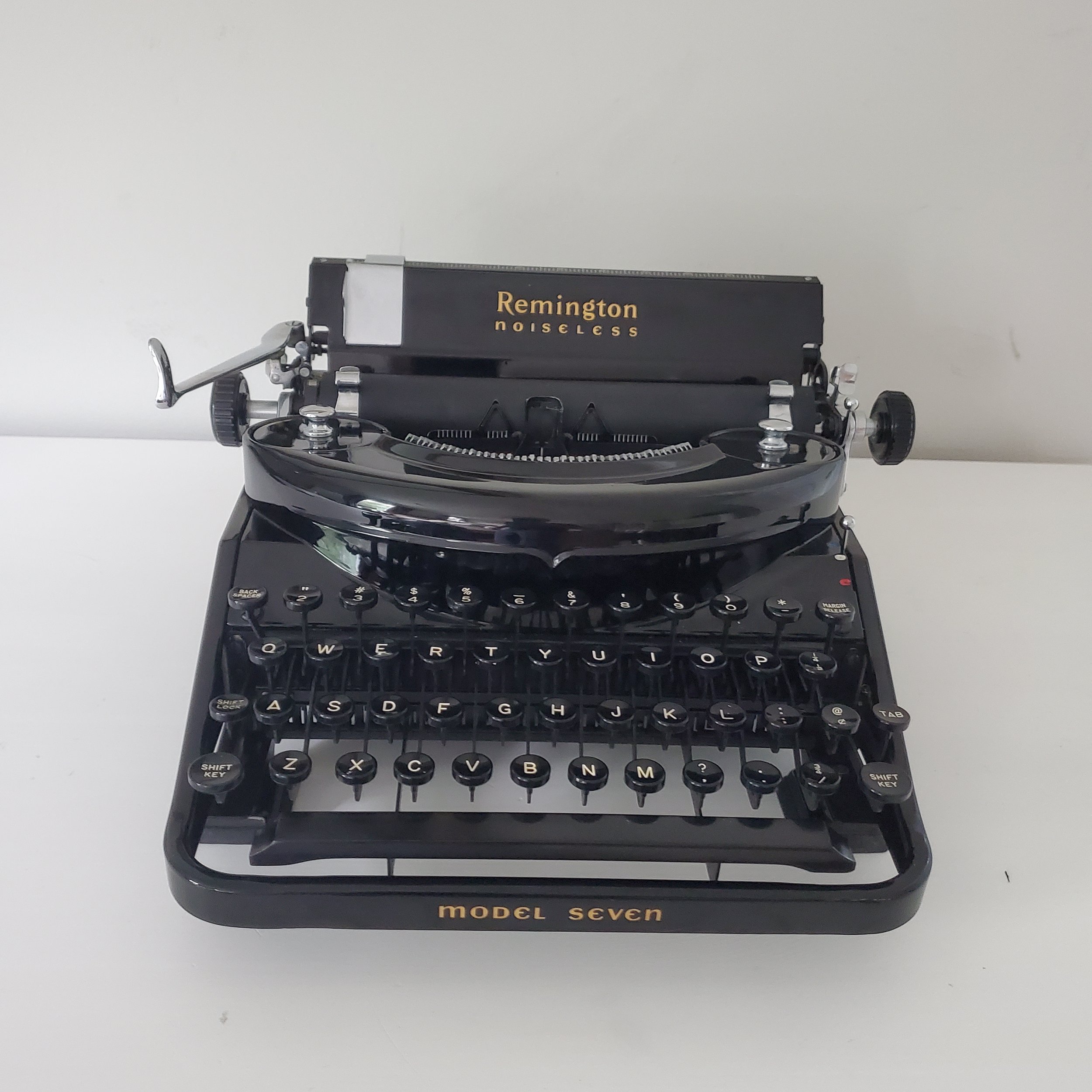
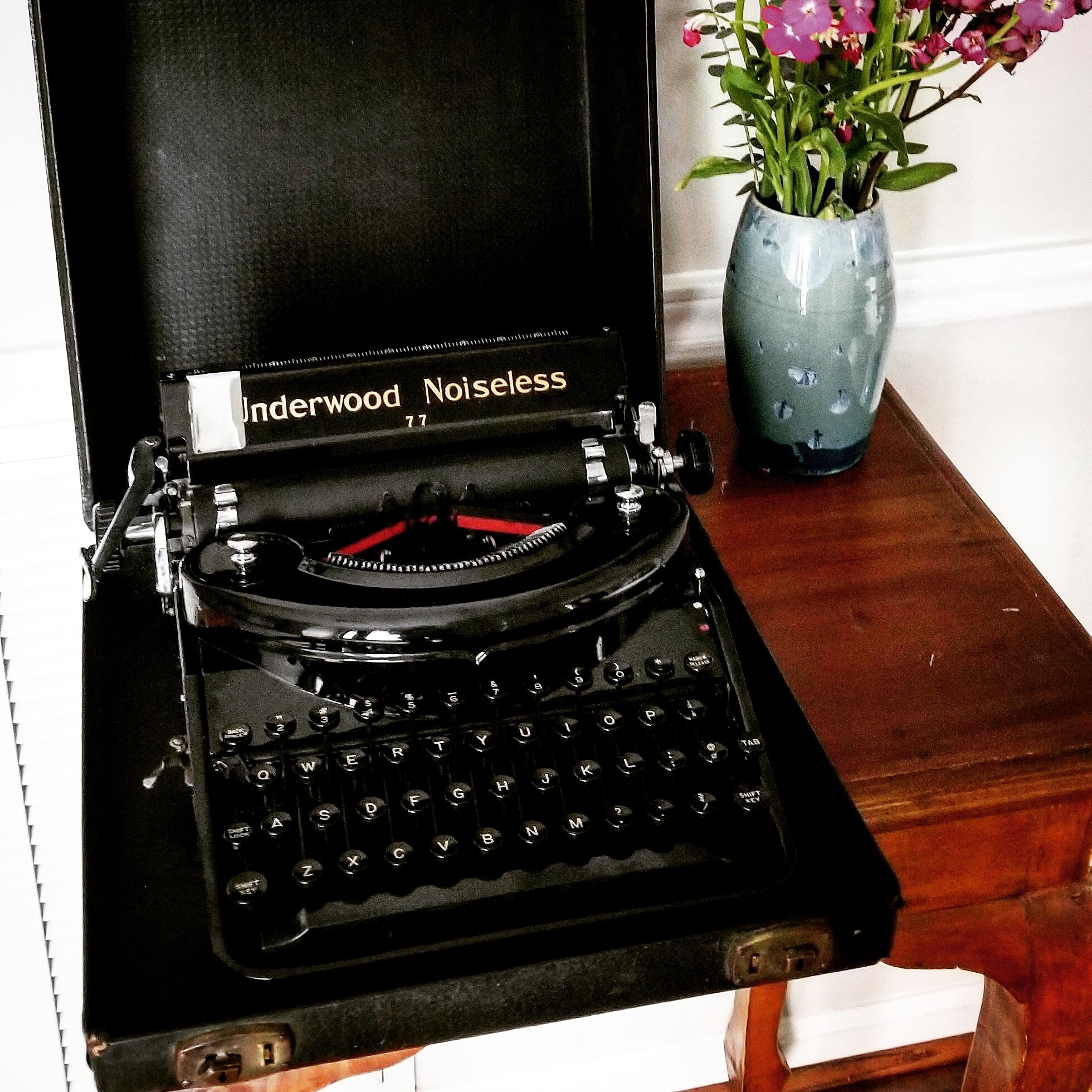
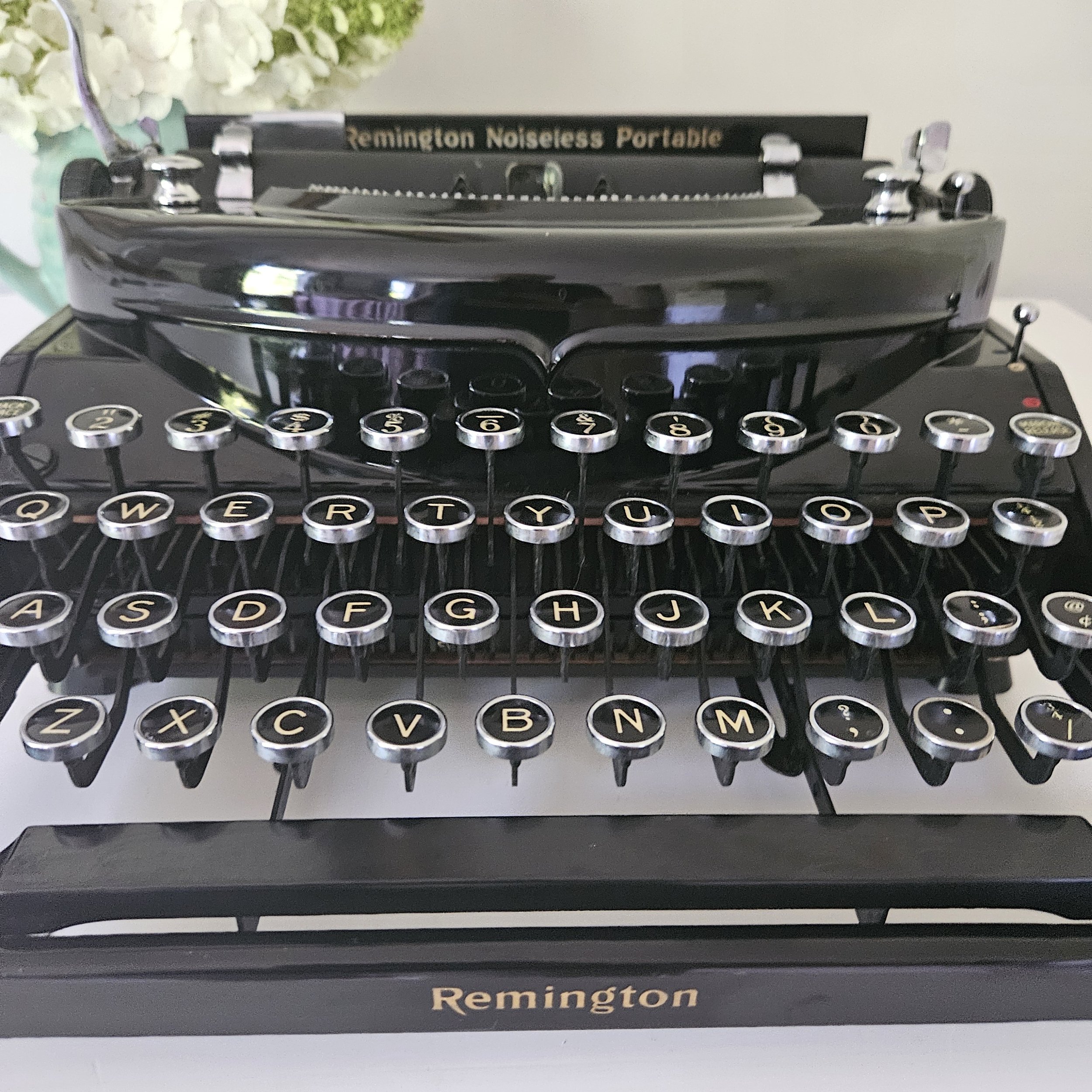
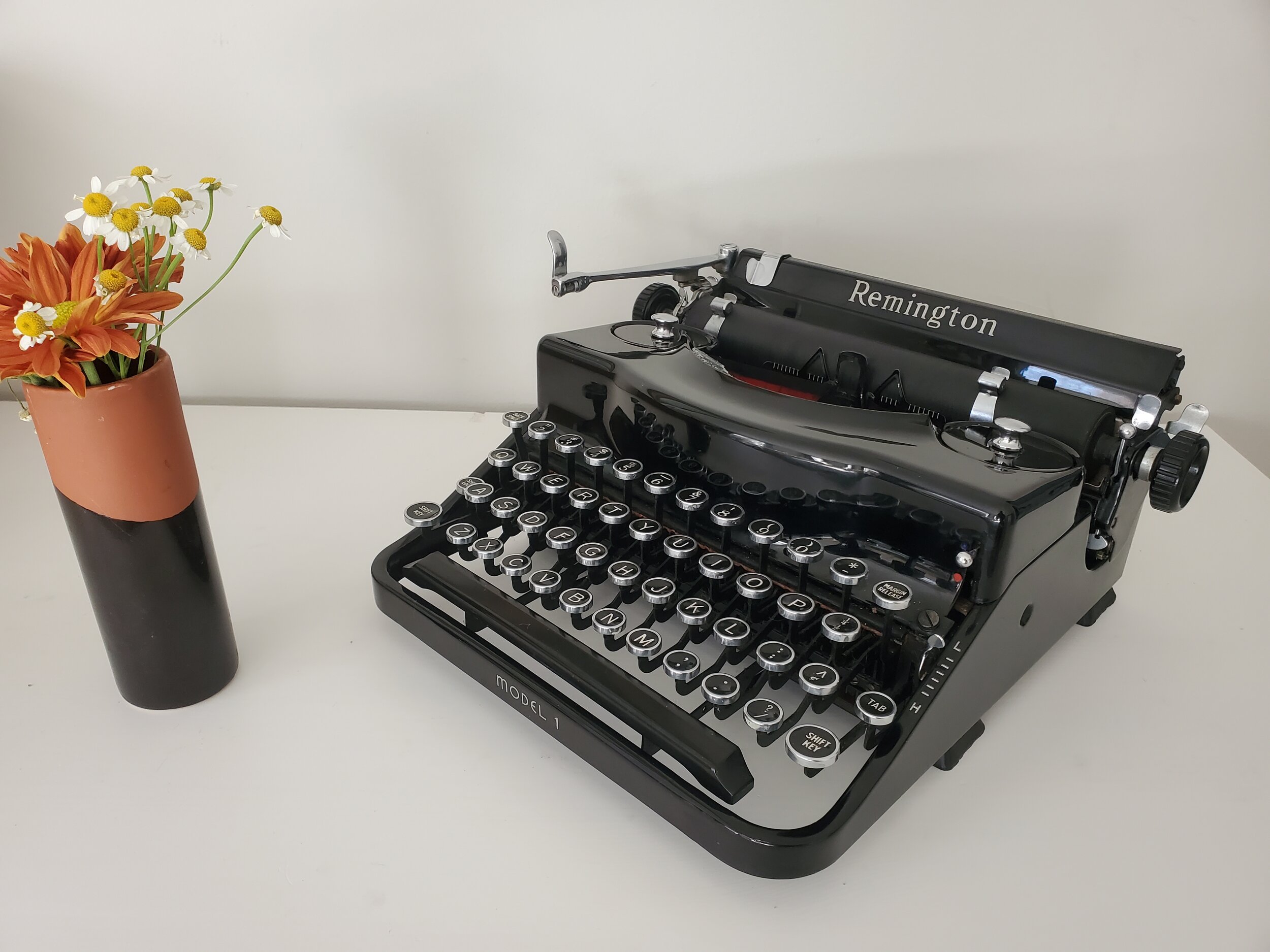
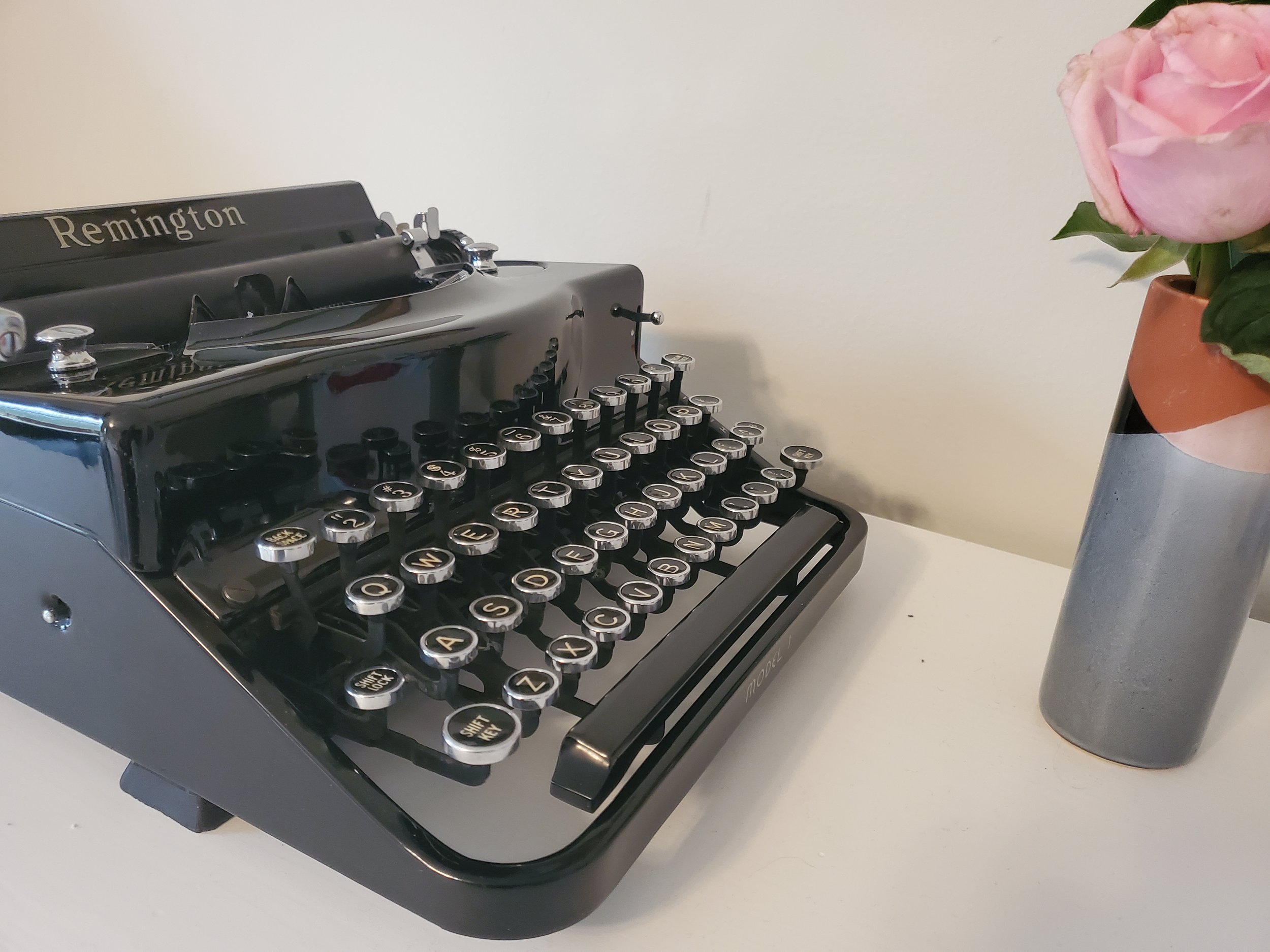
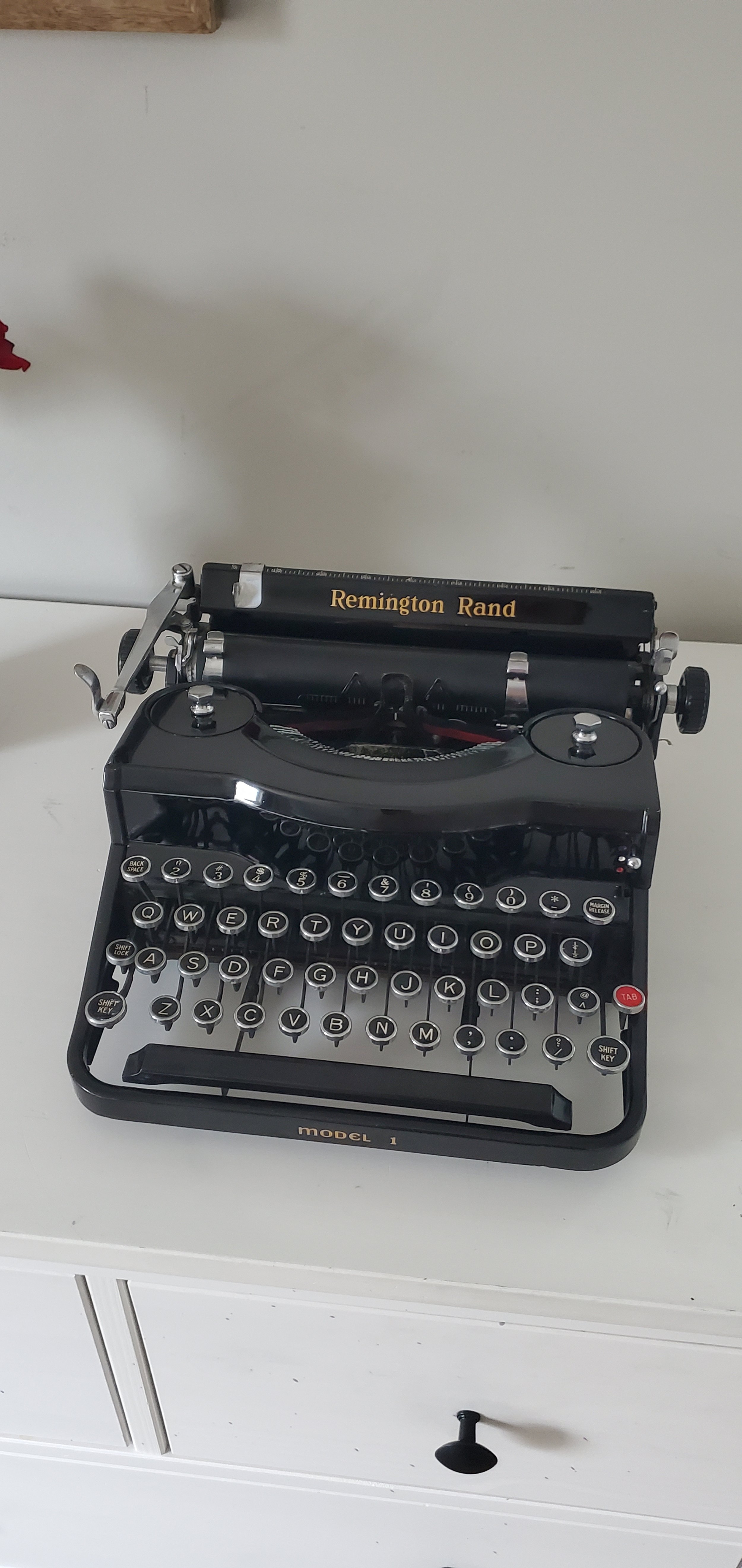
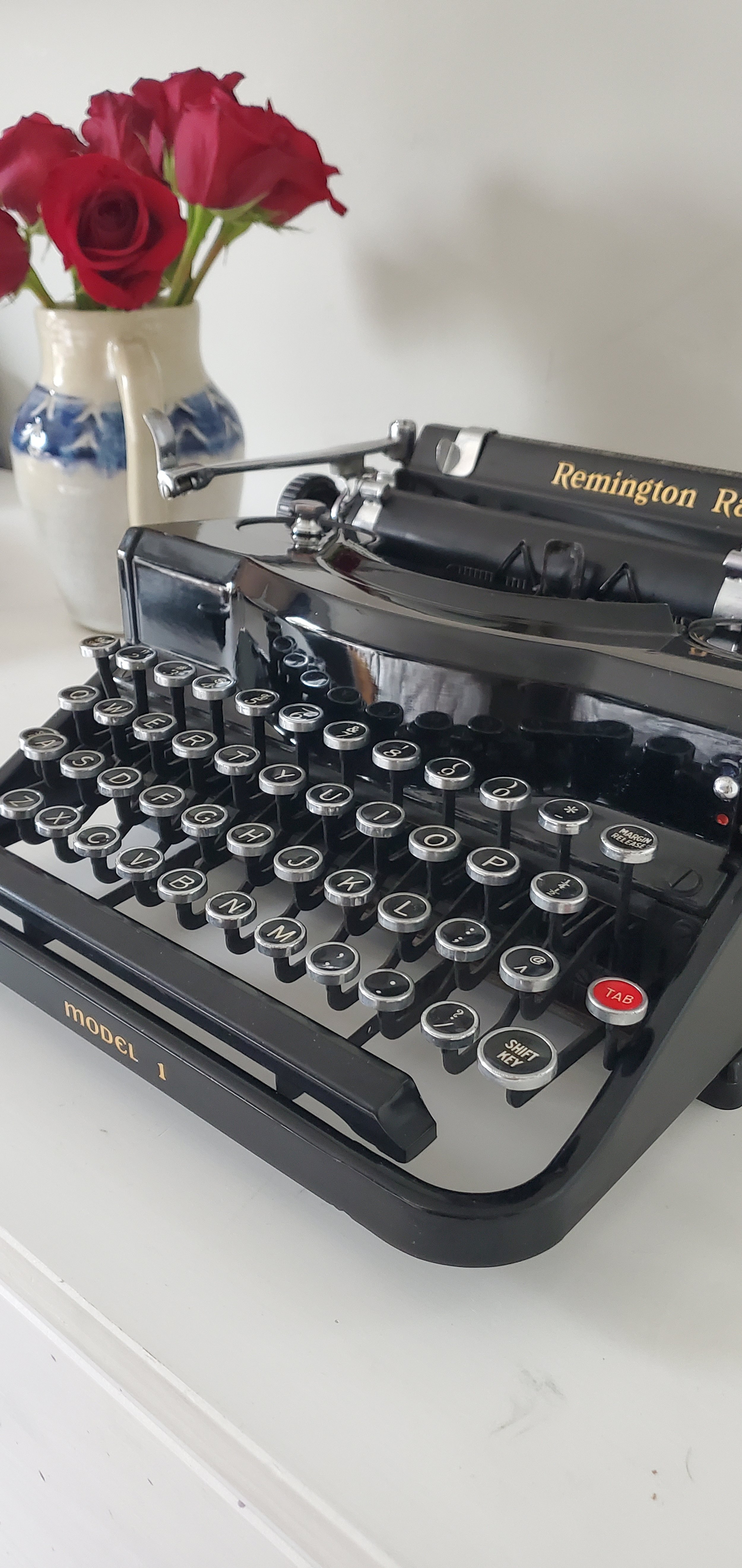
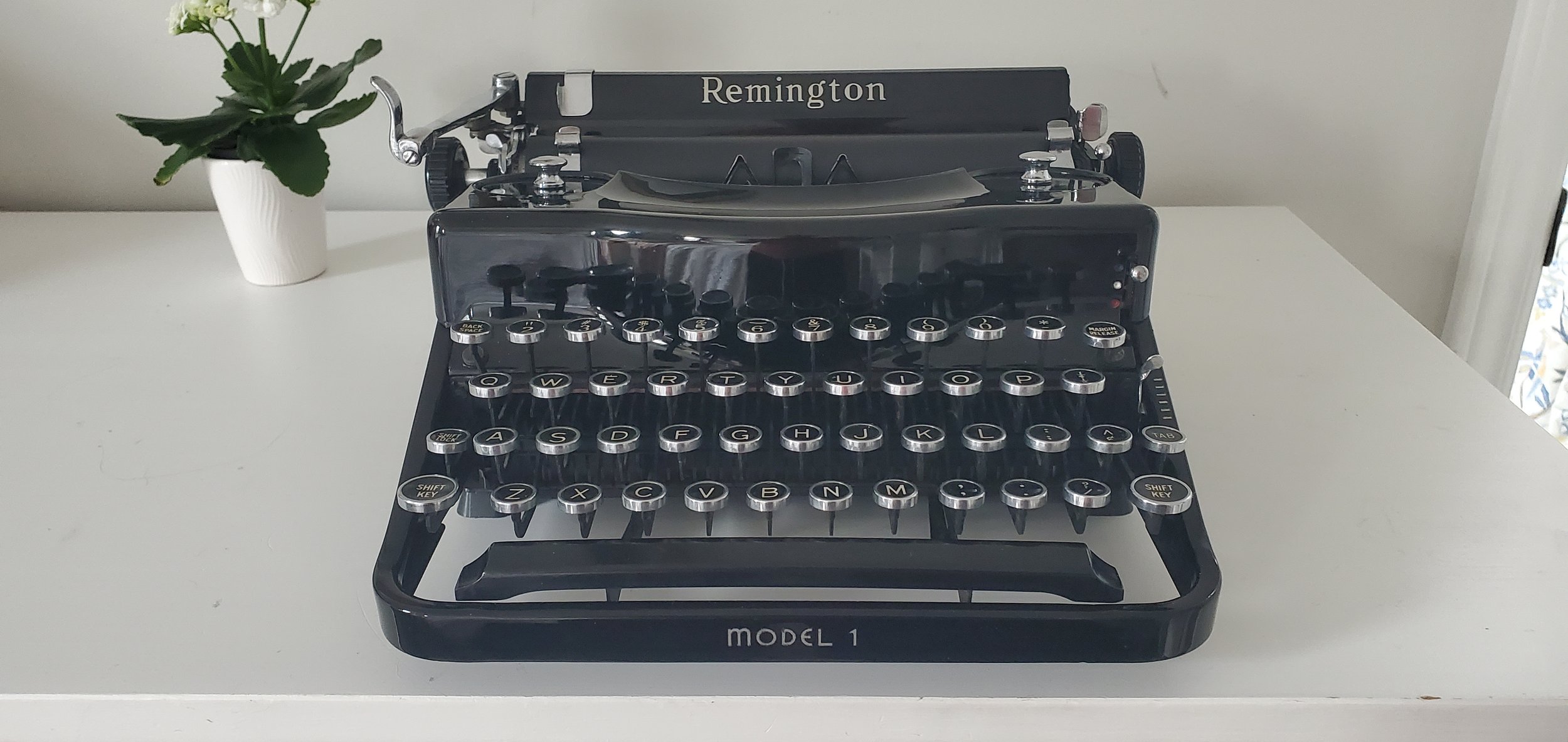
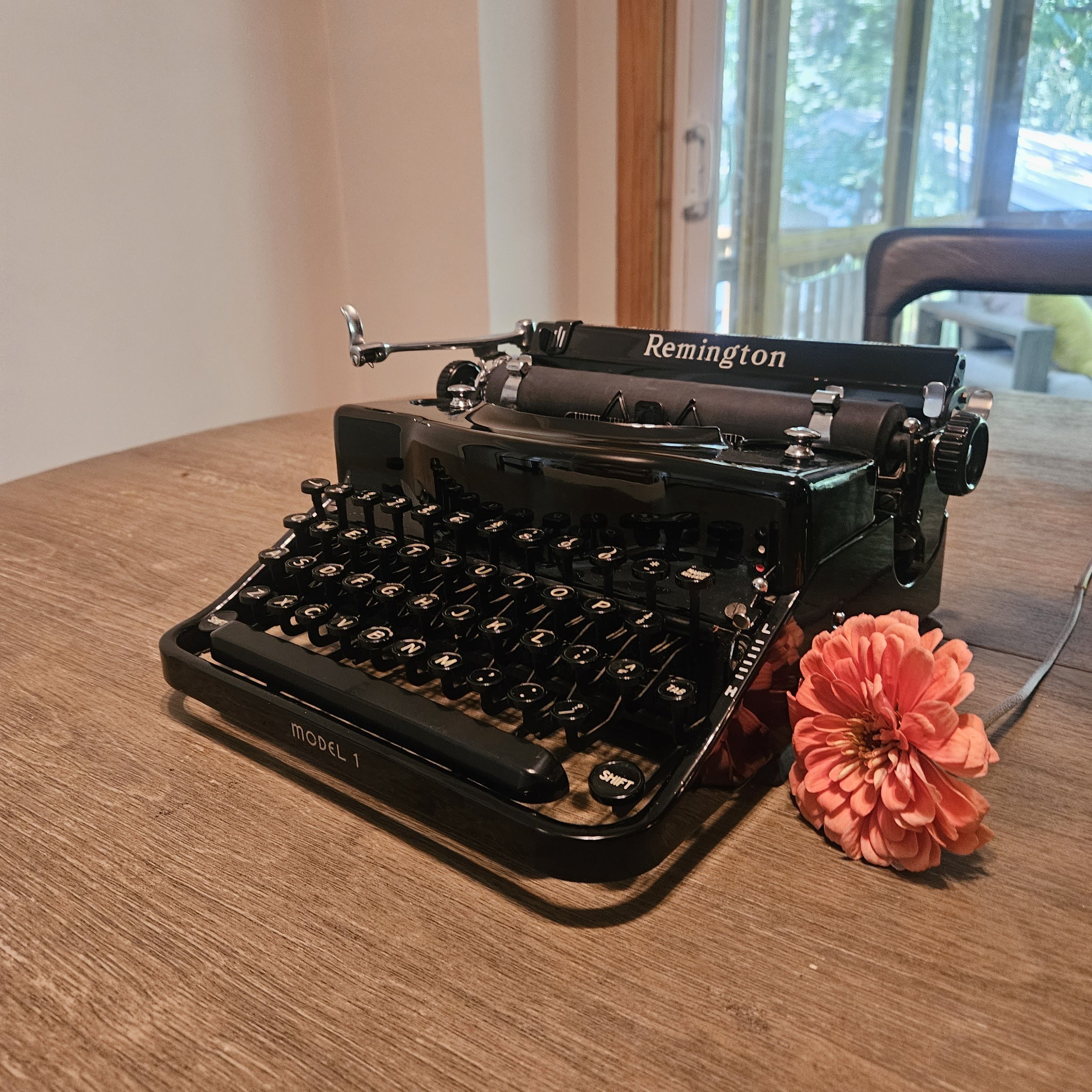
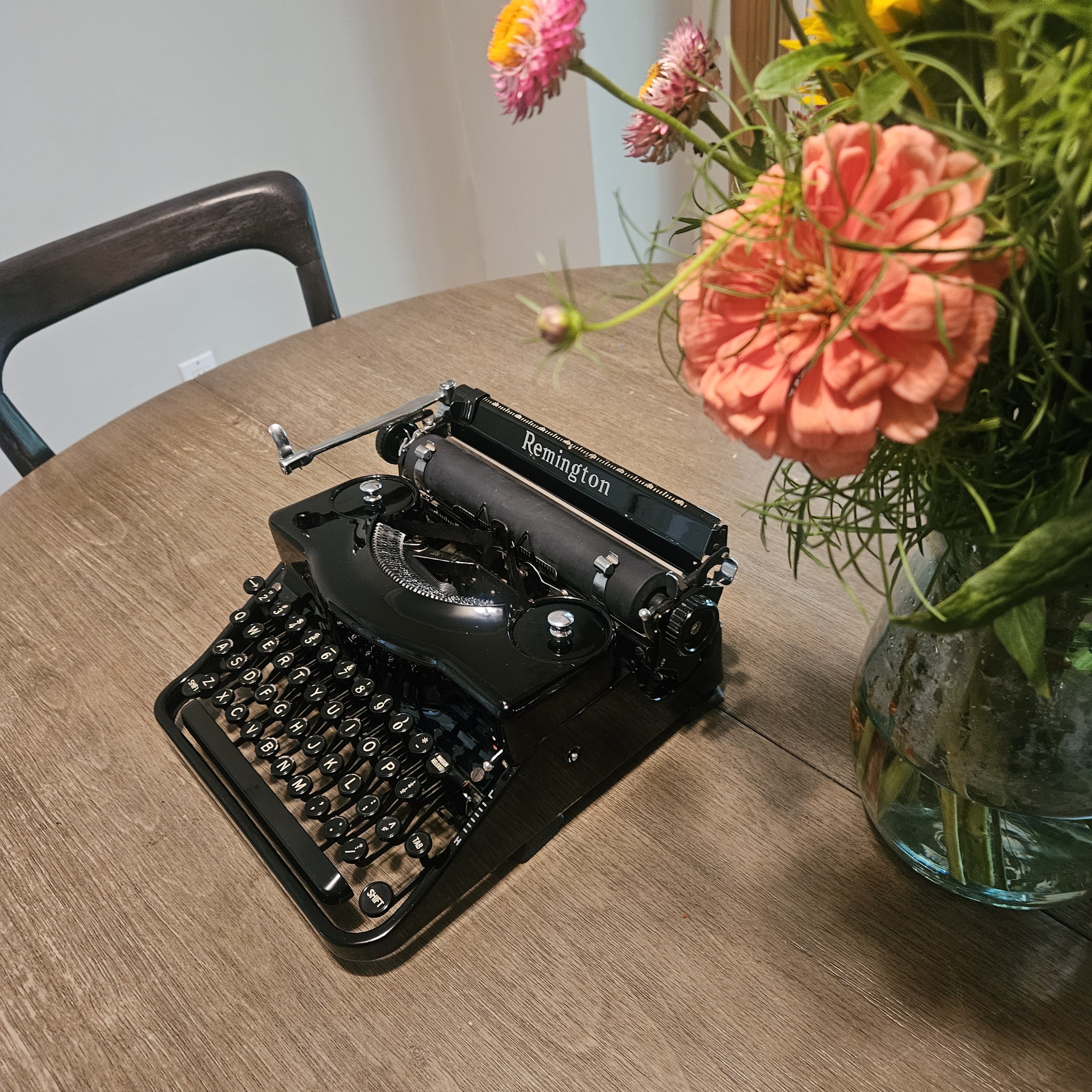
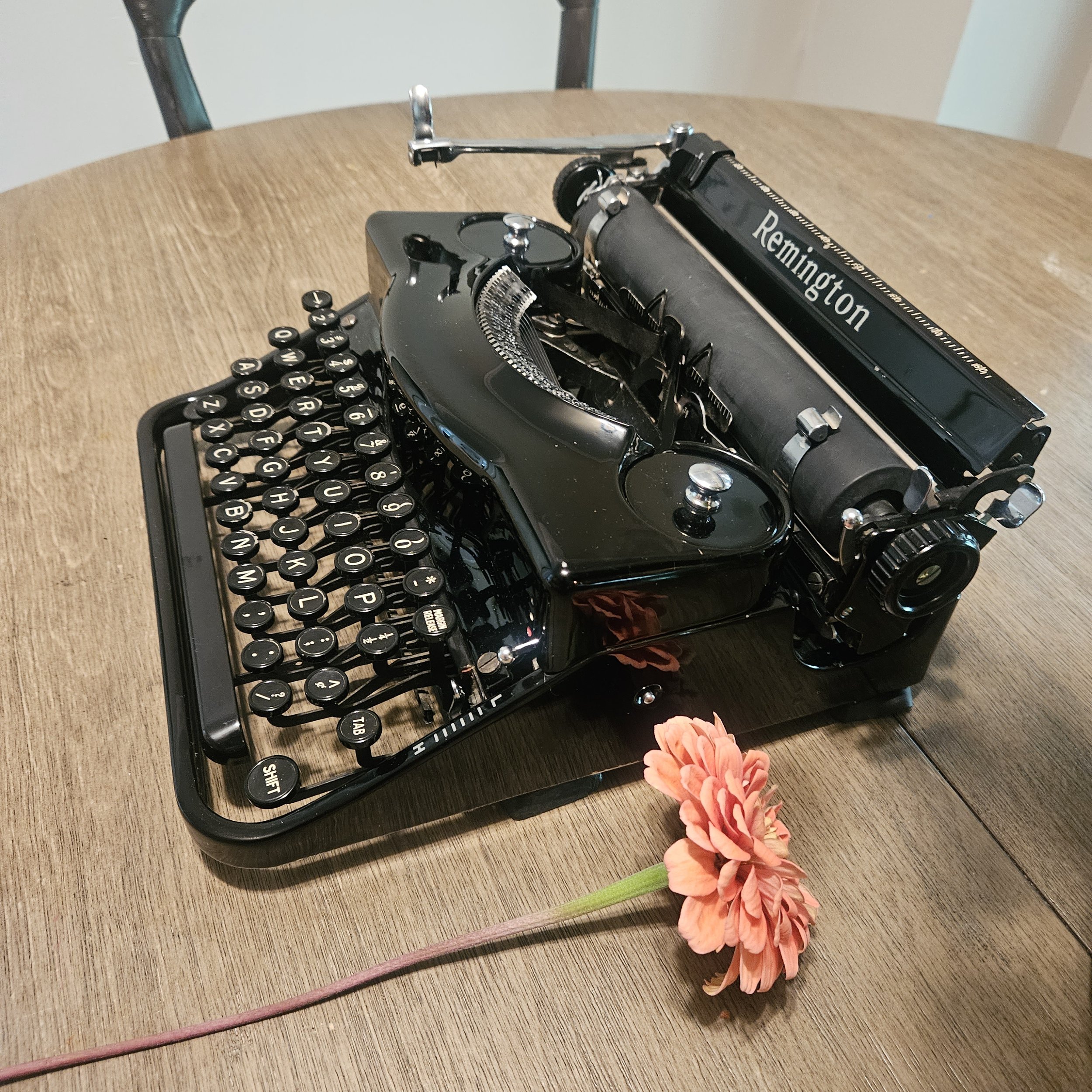
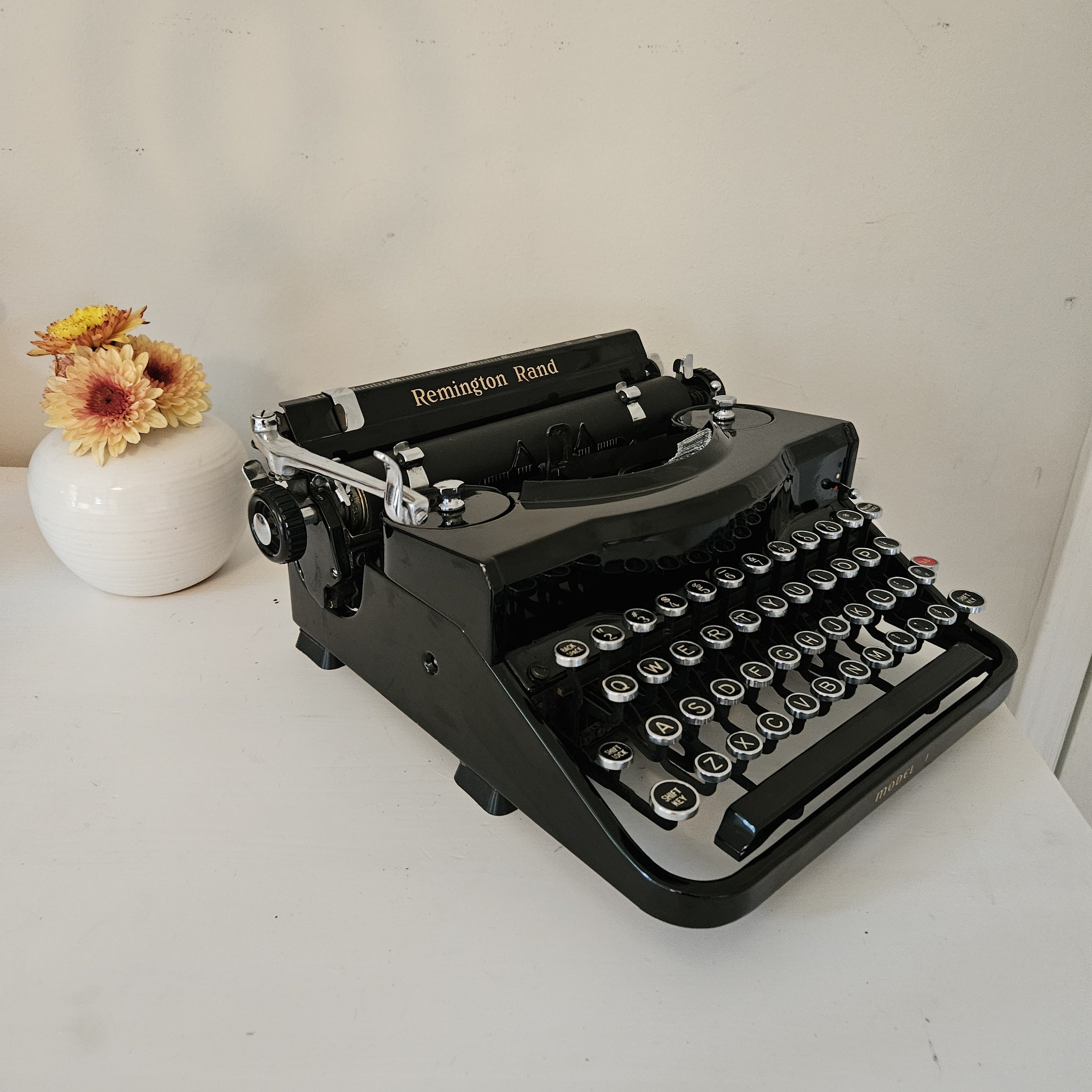
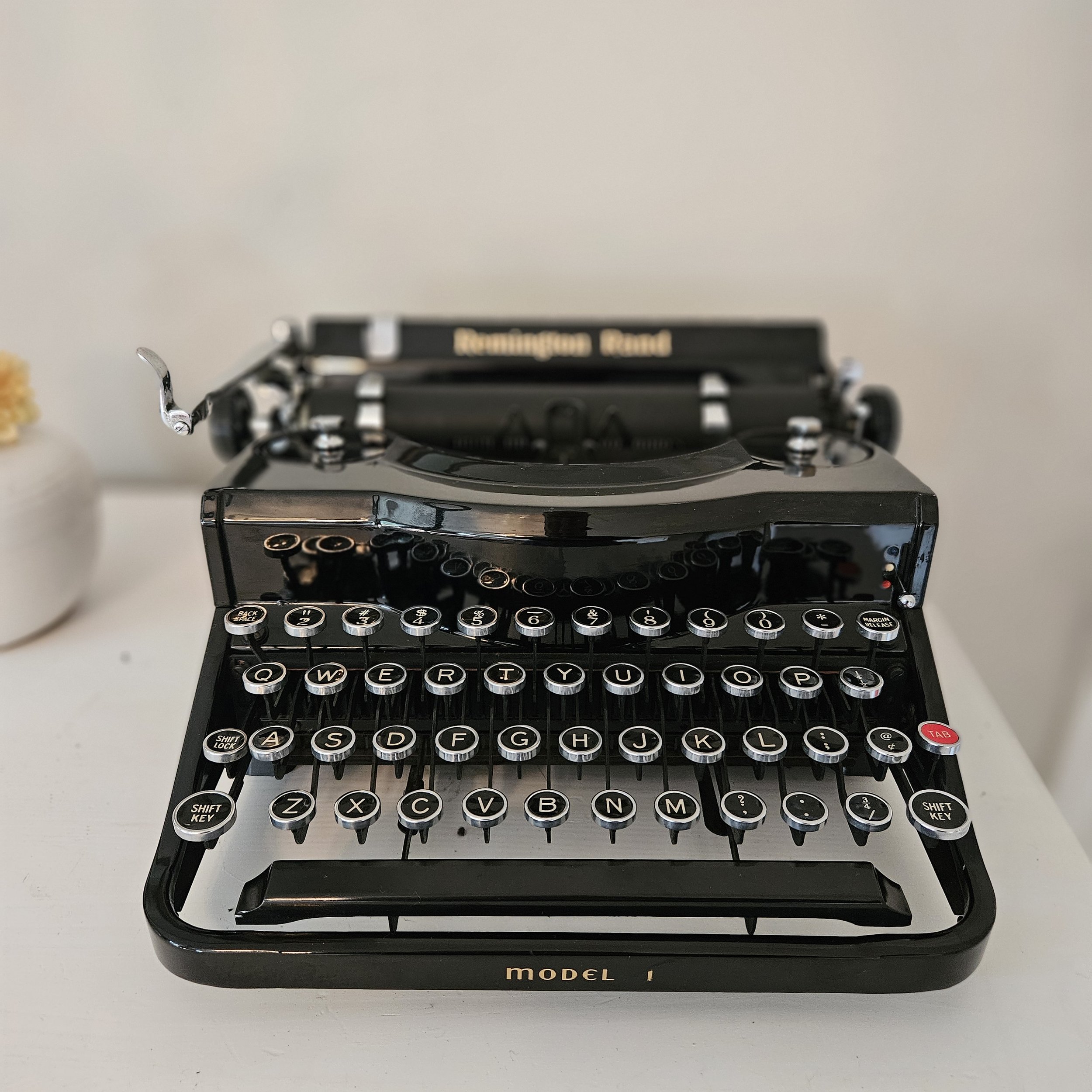
Circa 1938 Remington Model 1 'Noiseless' aka 'Speed' Working Typewriter with Case
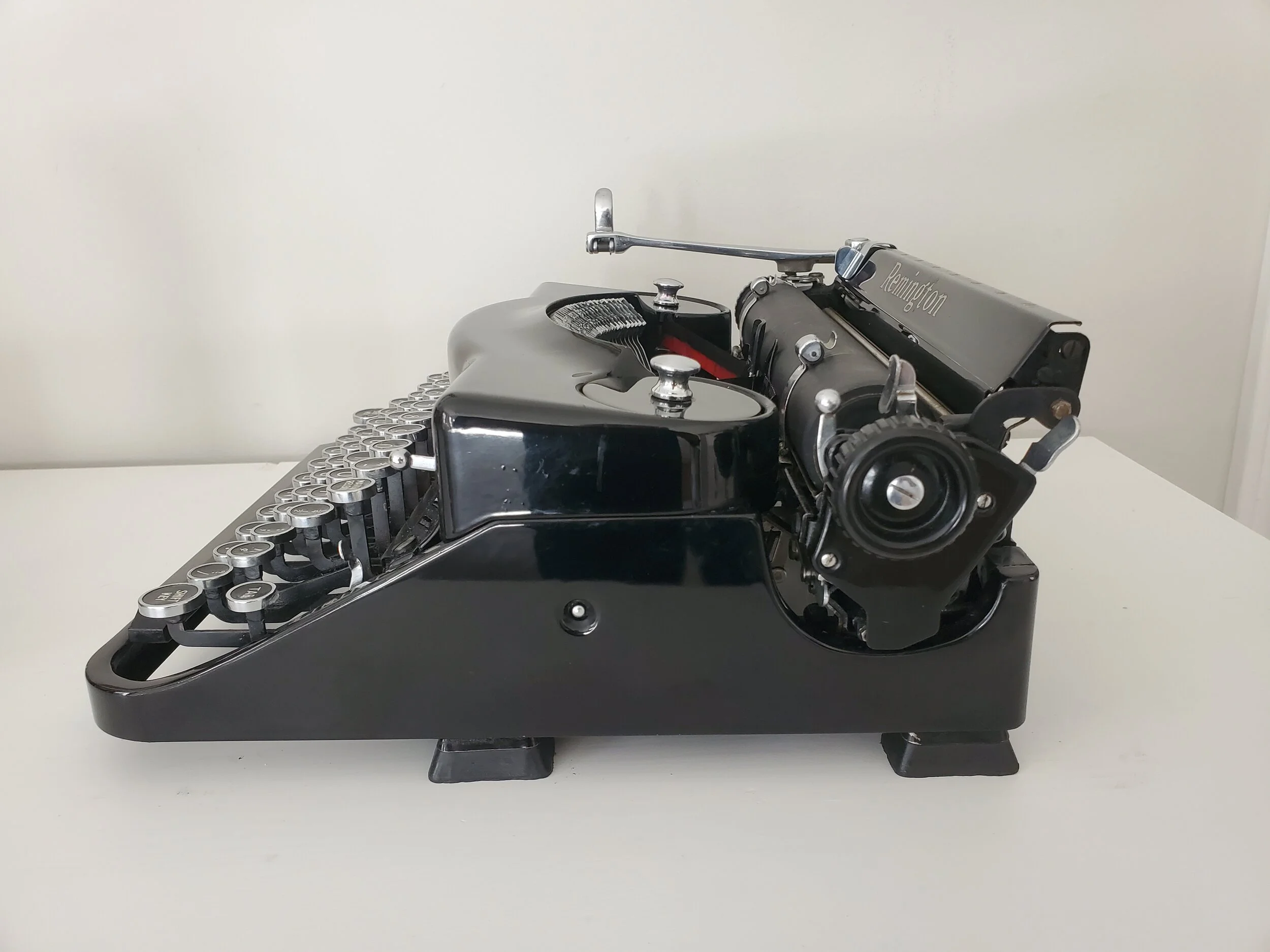
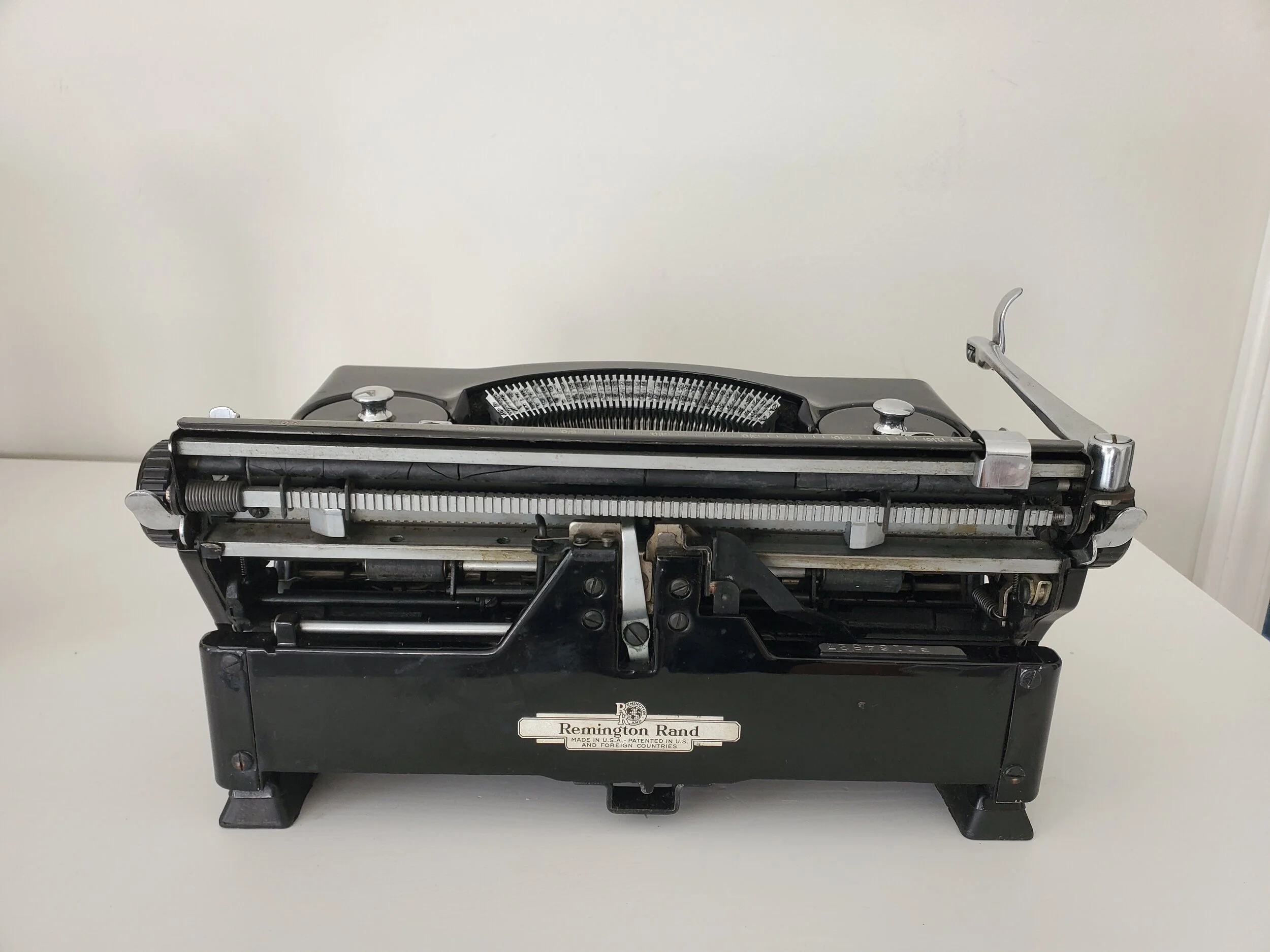
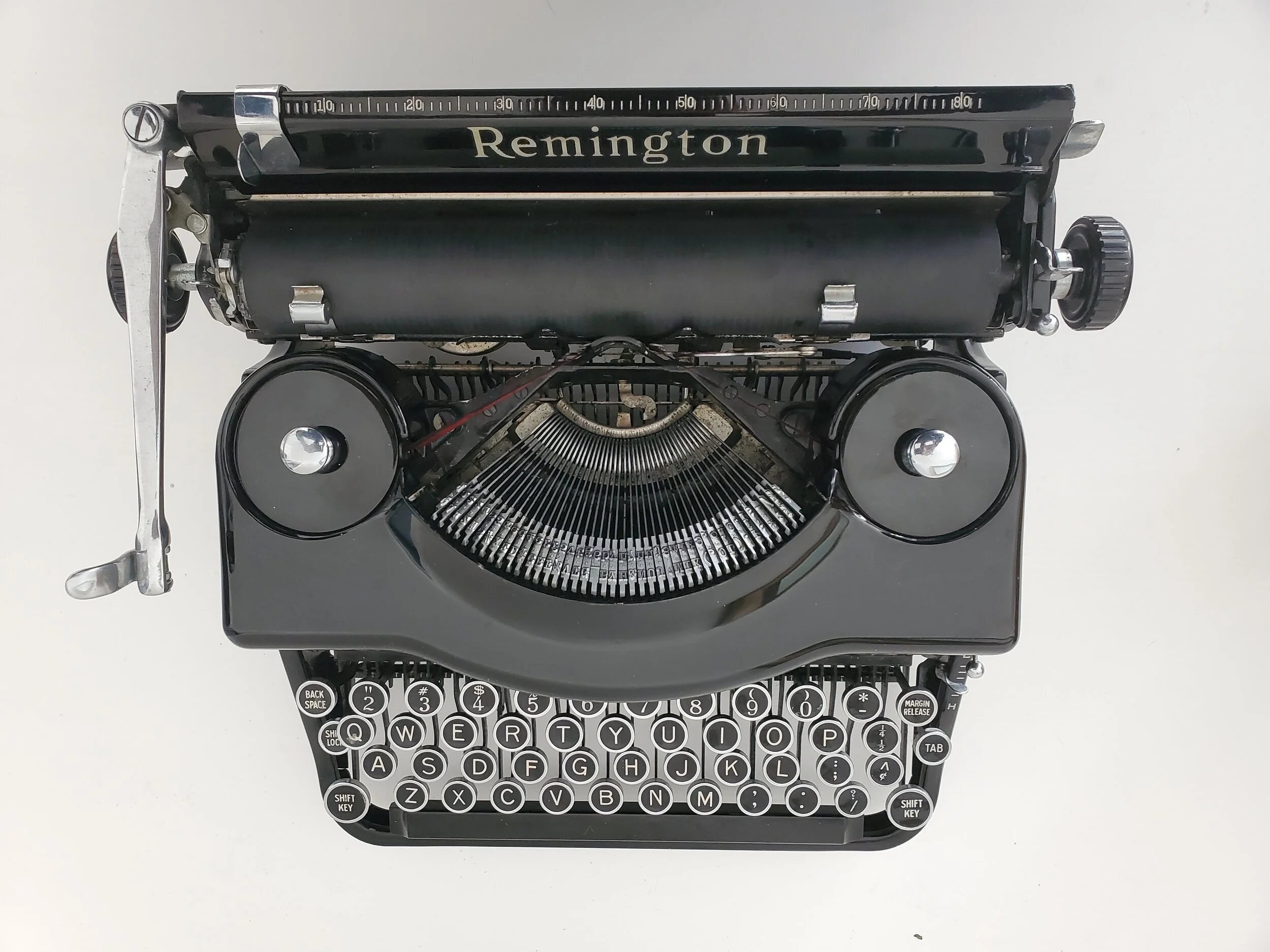
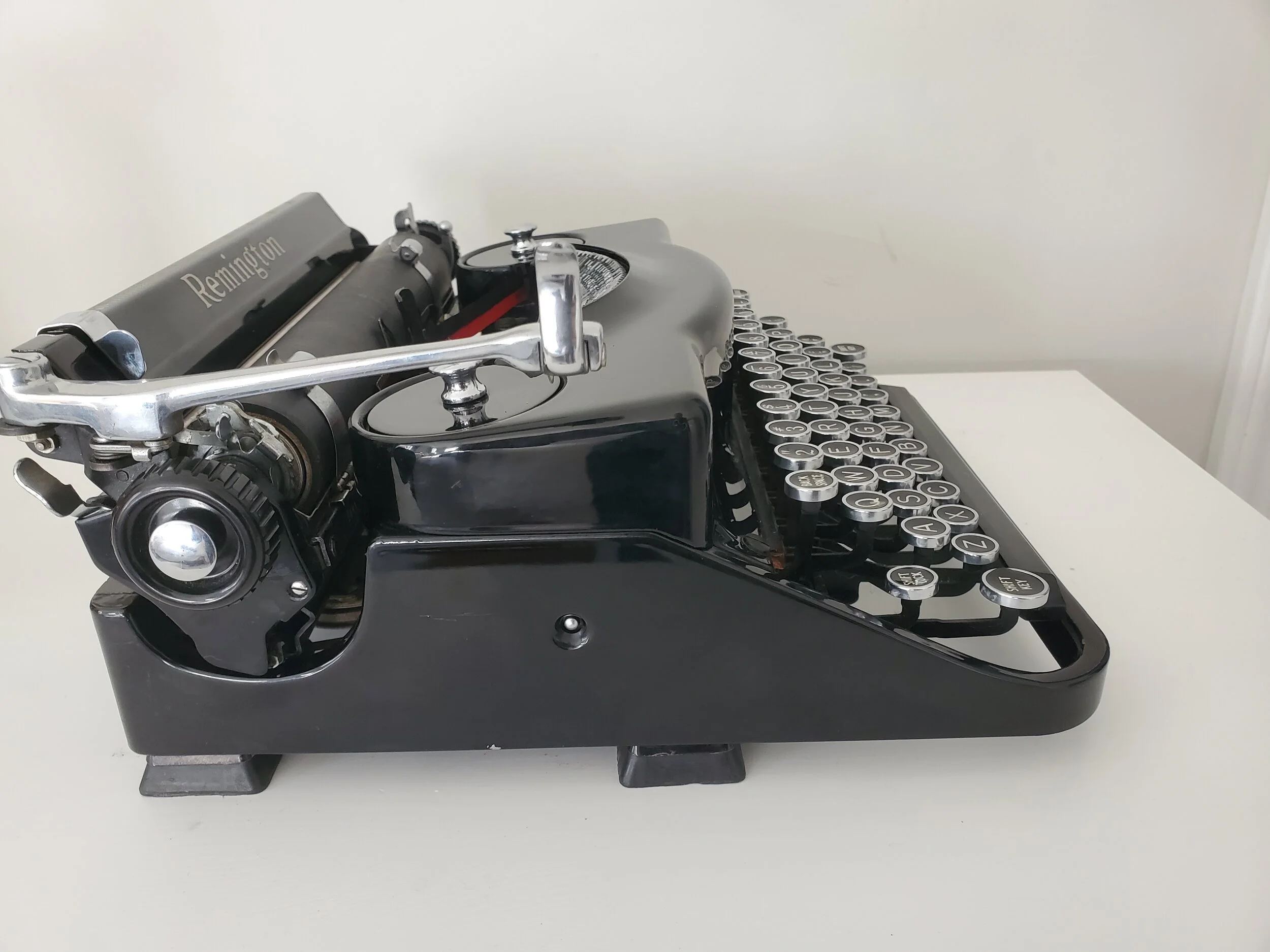
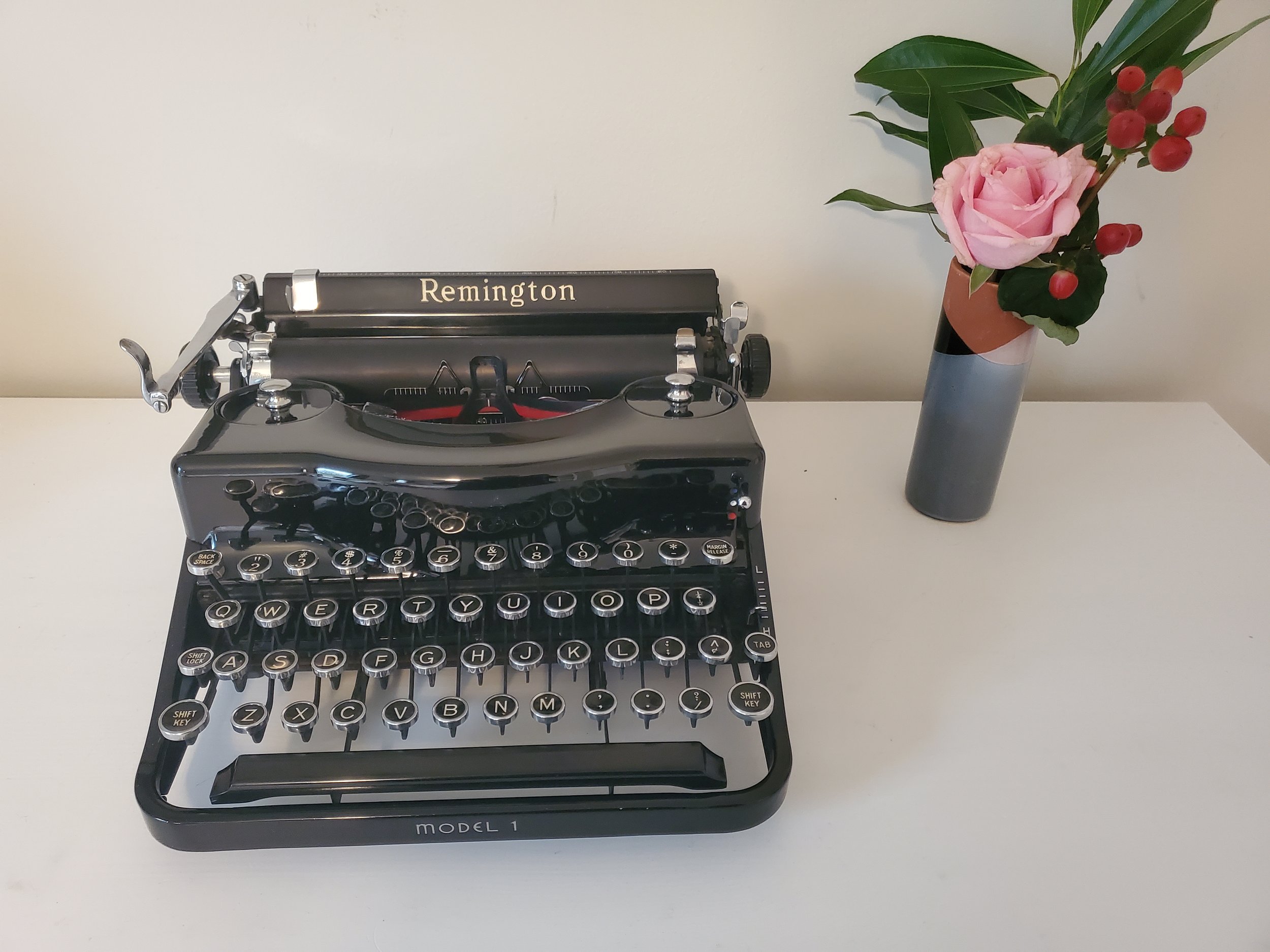
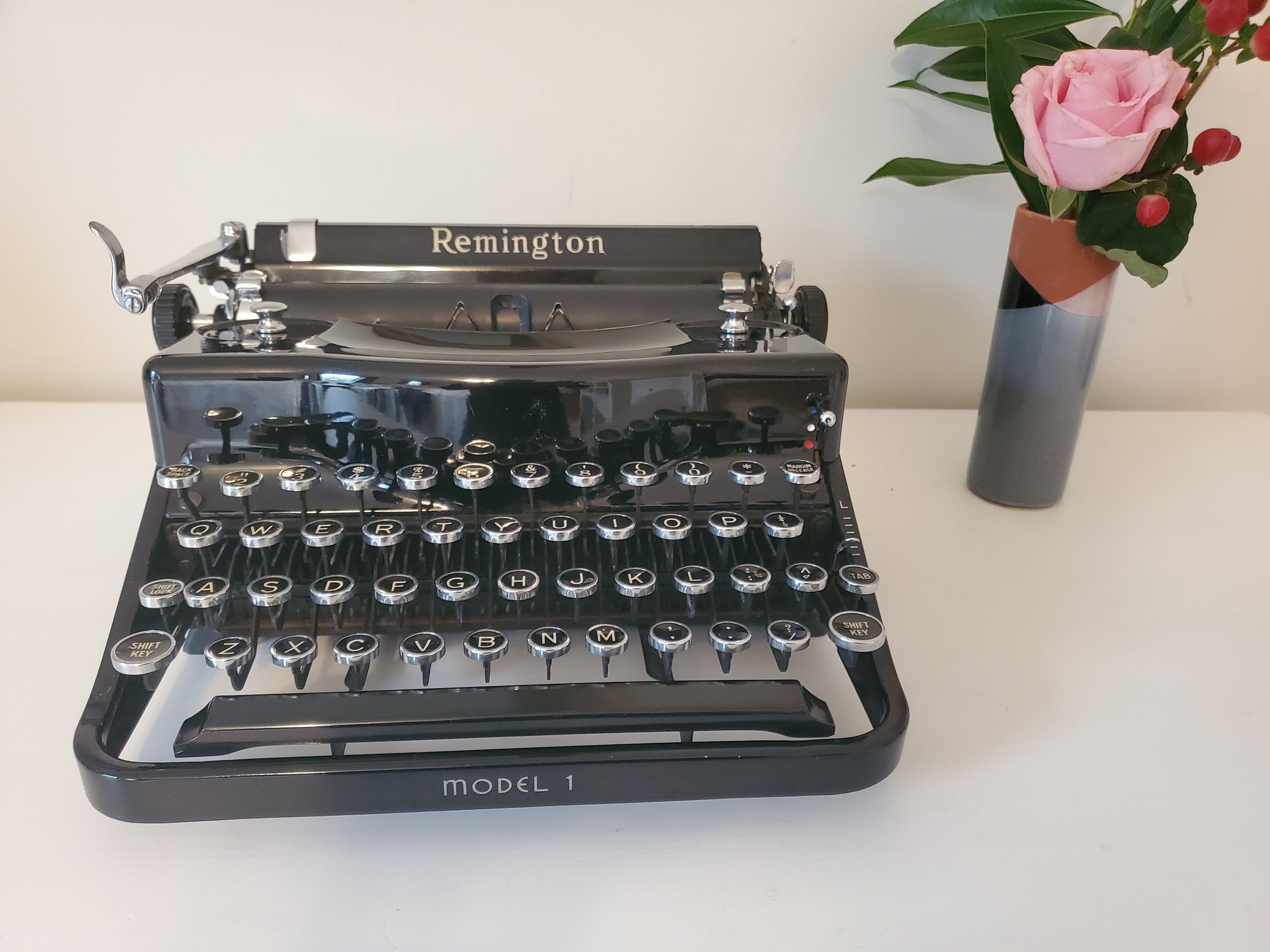
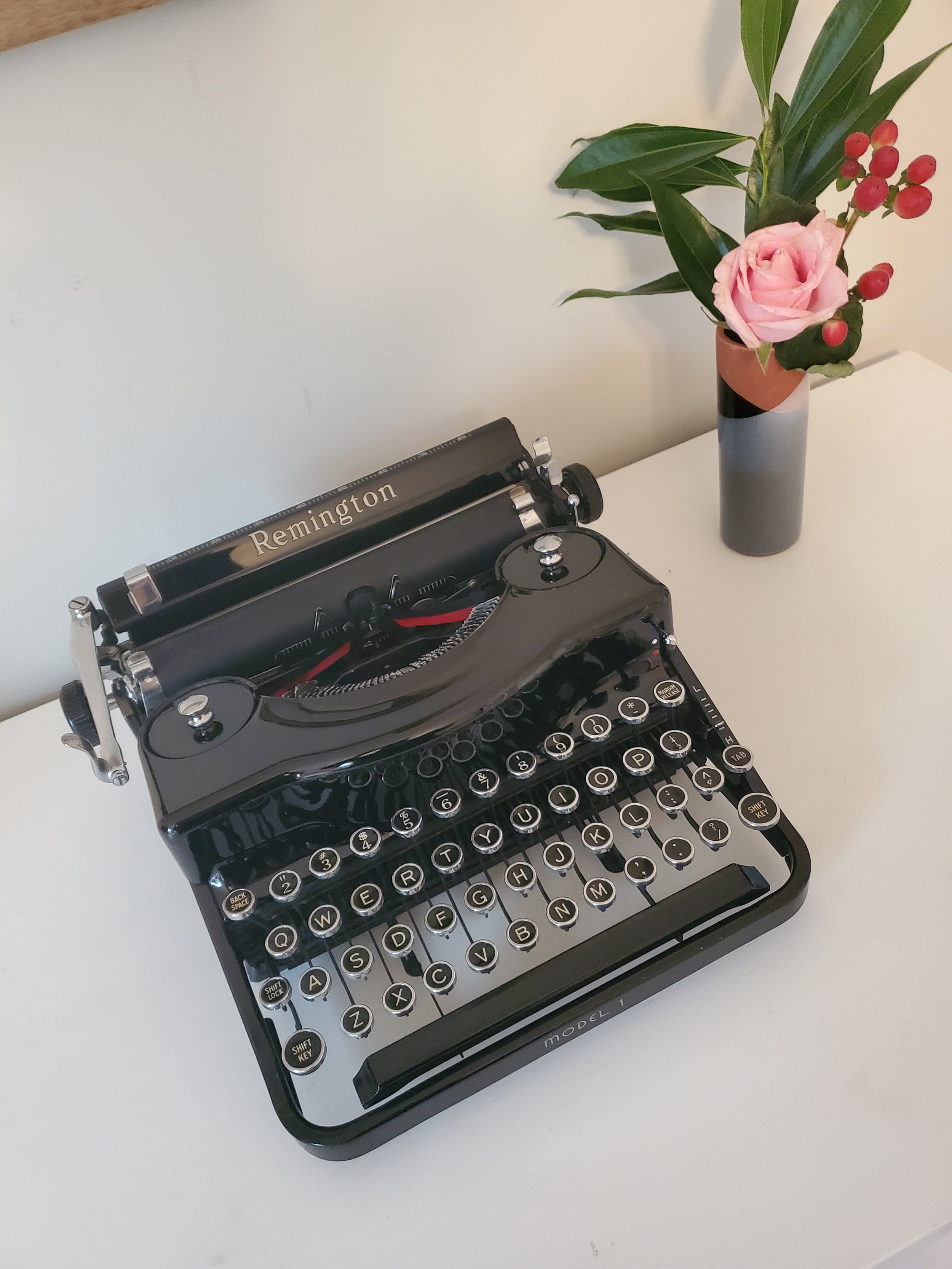
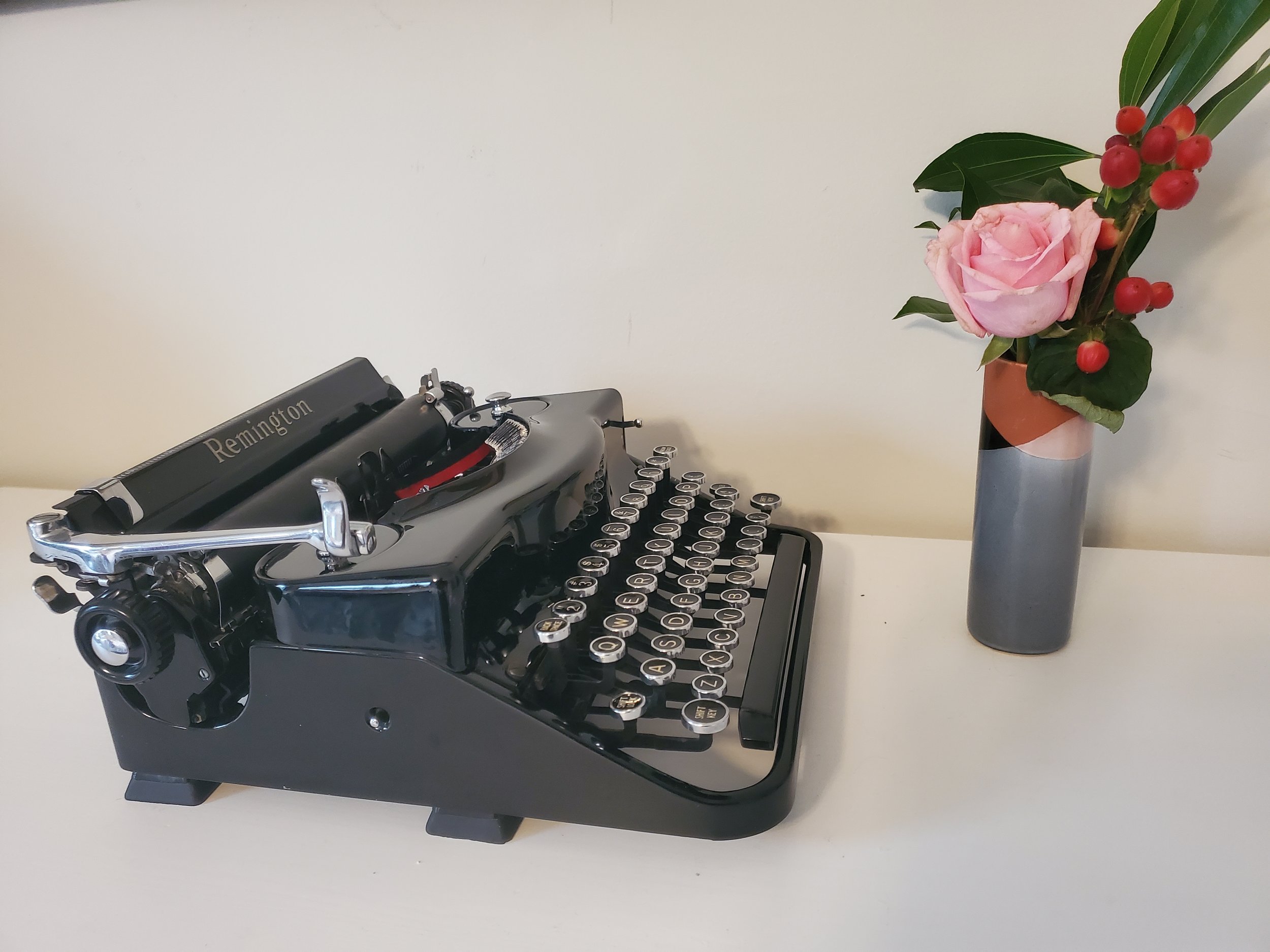
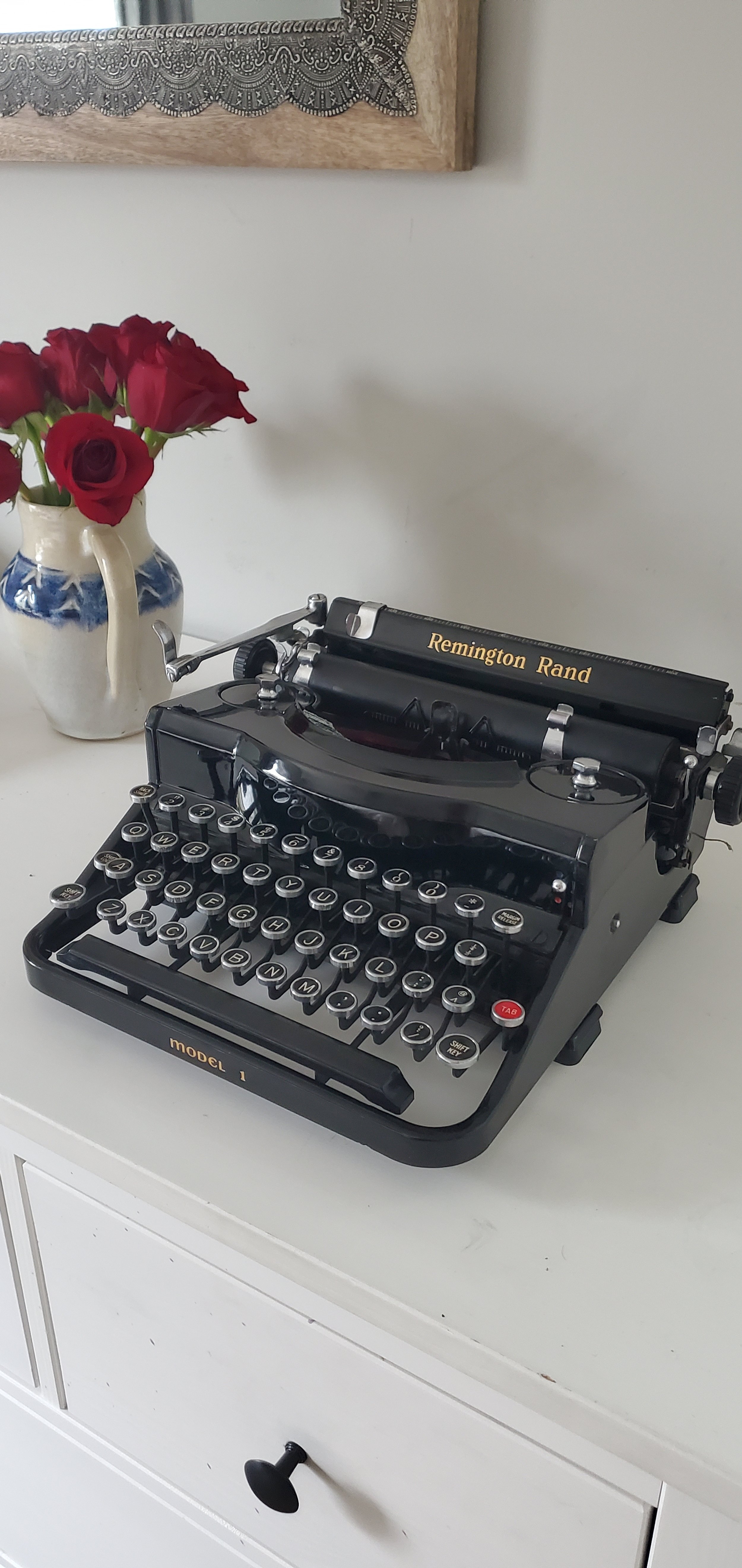
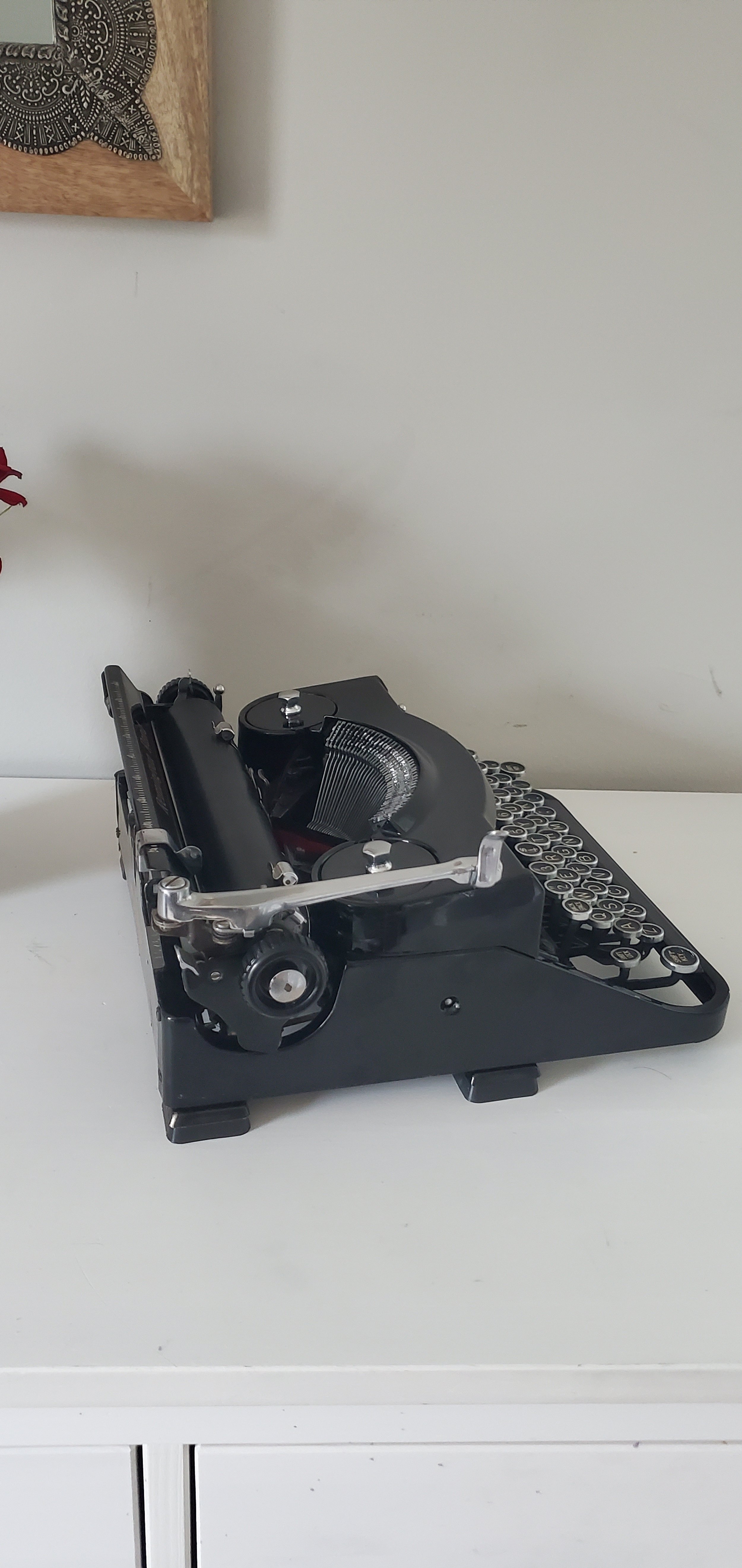
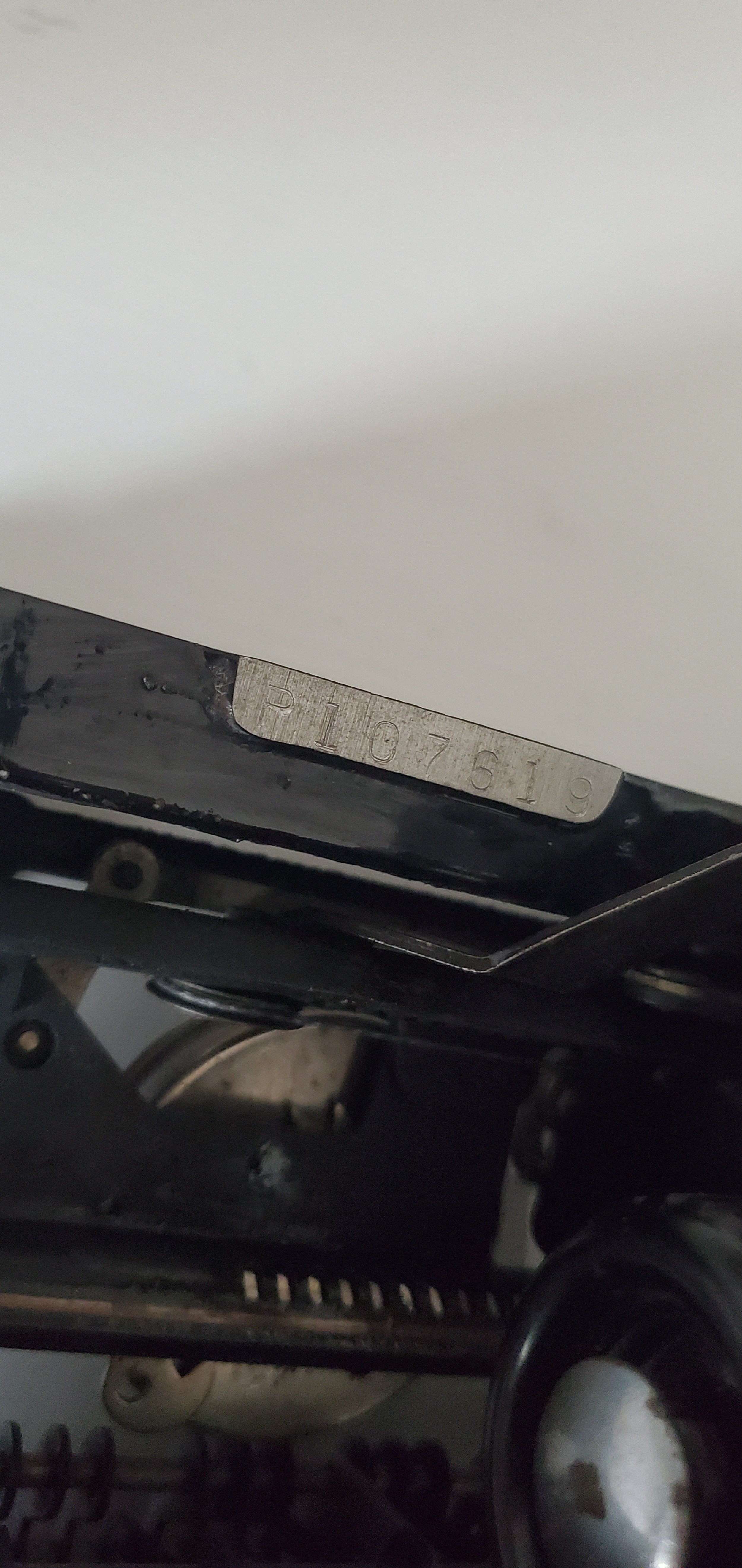
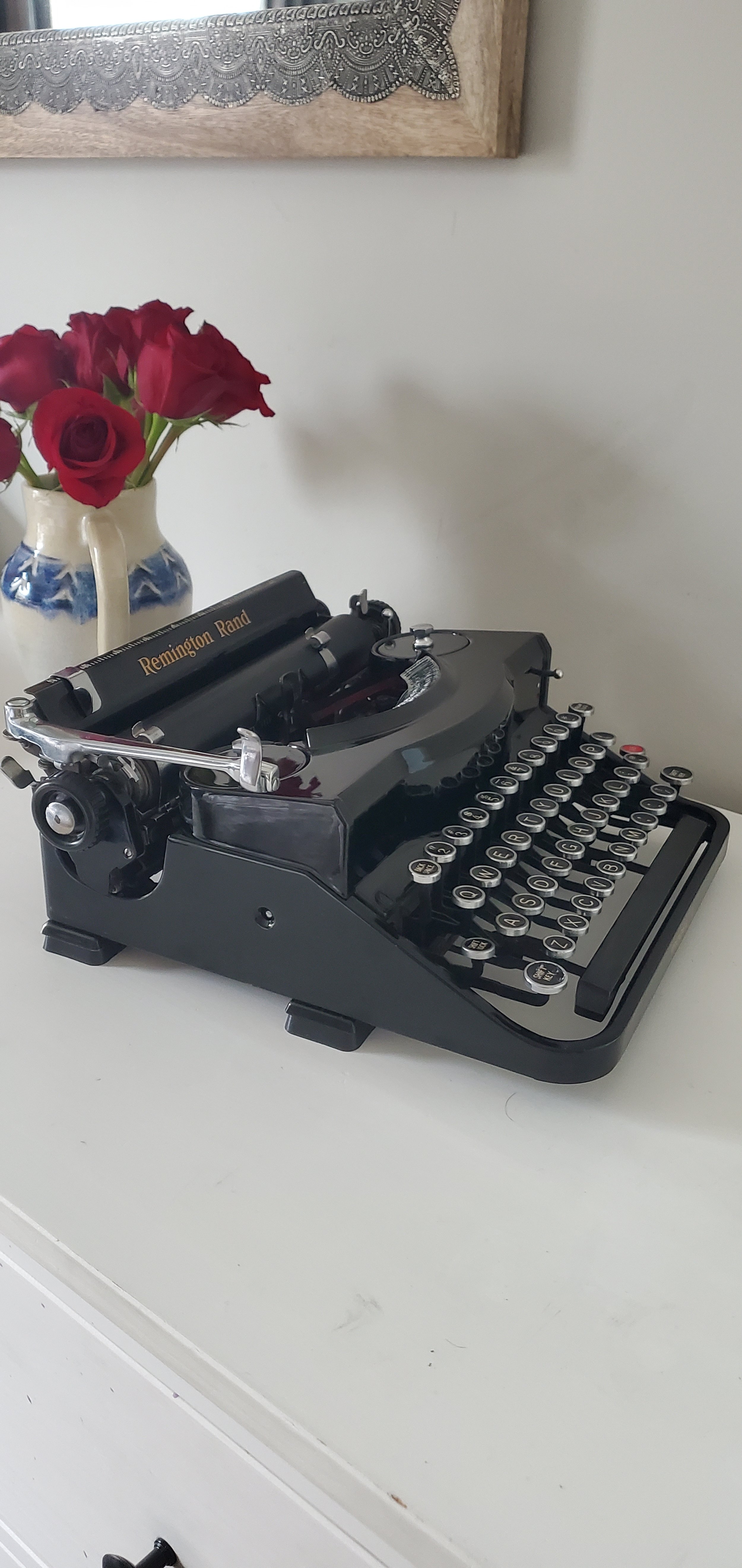
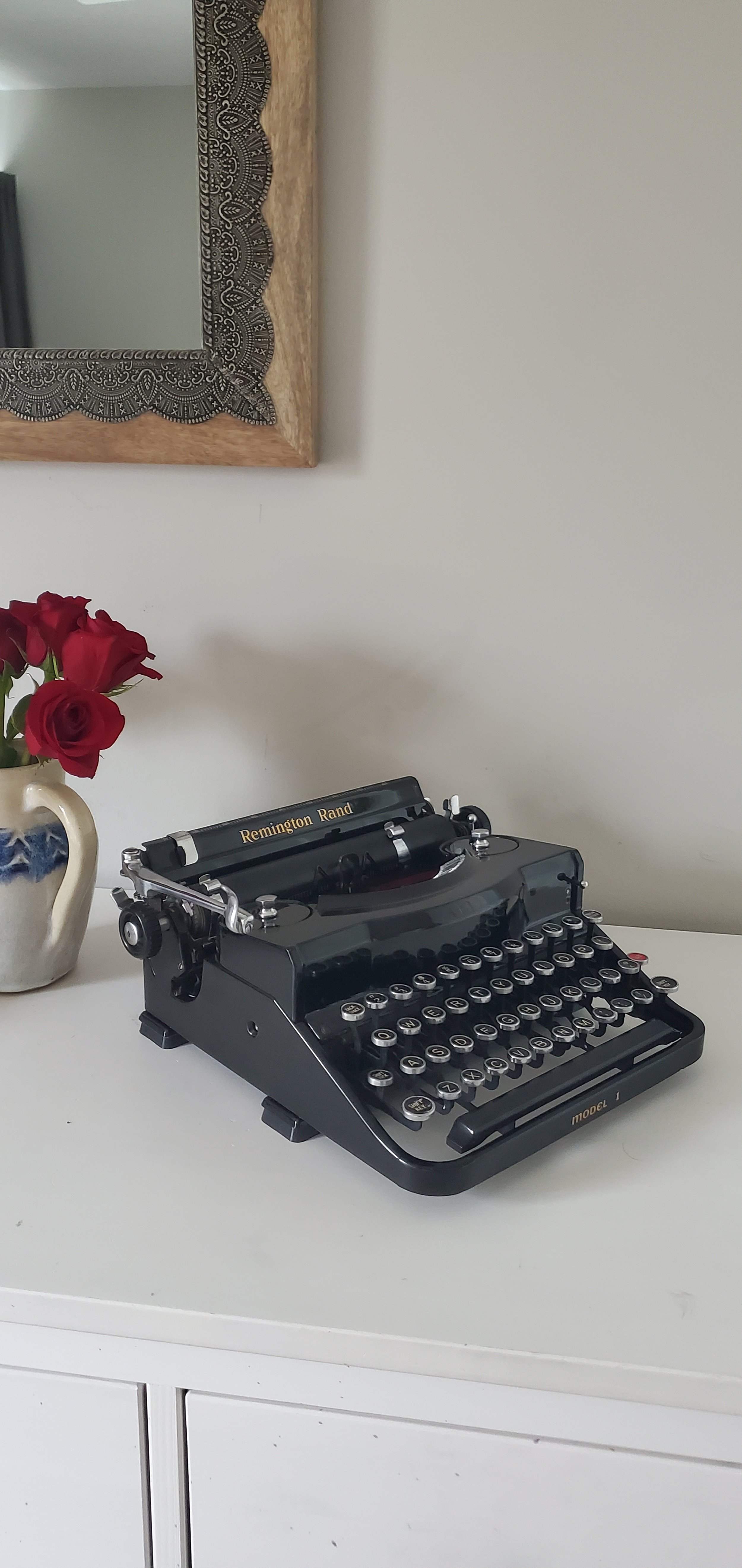
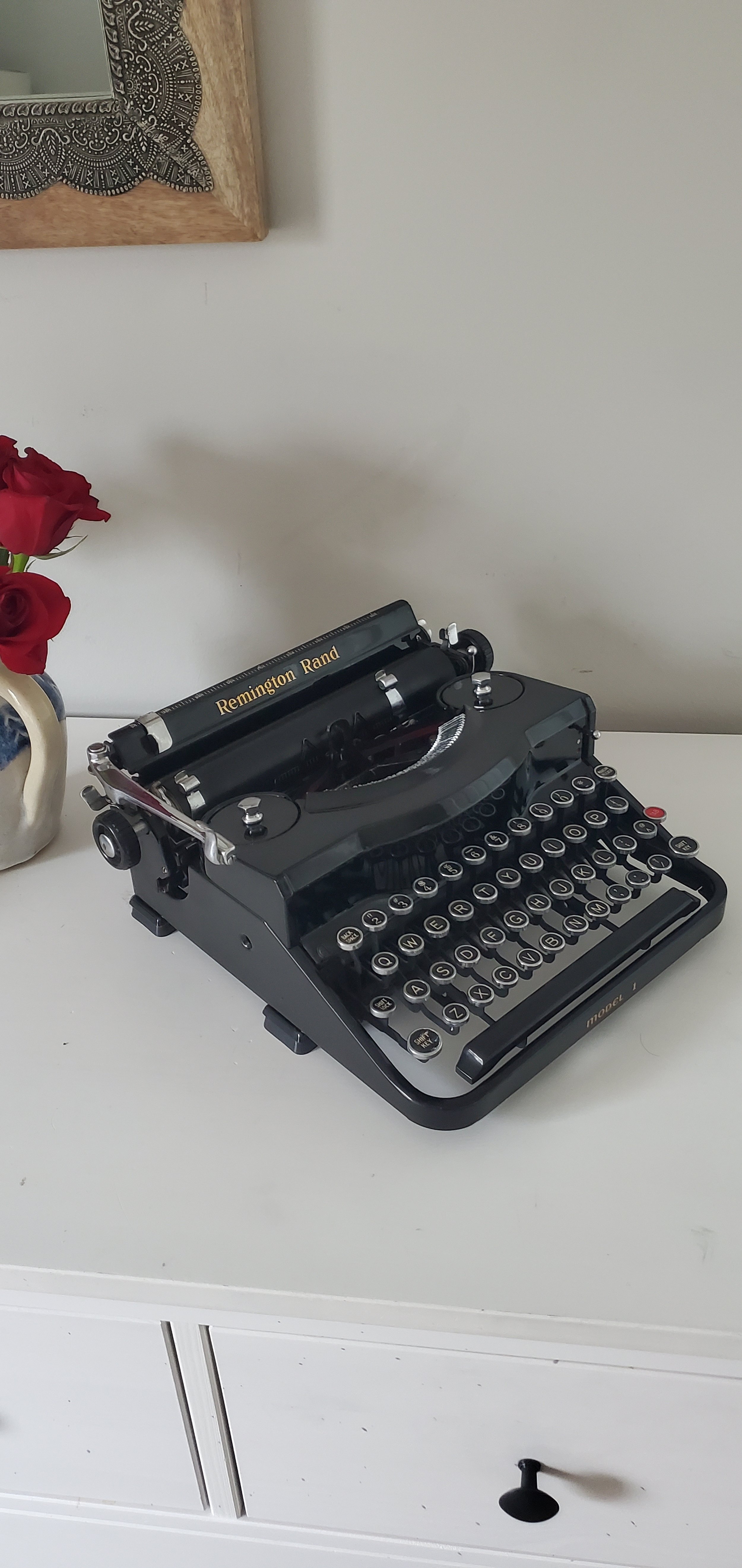
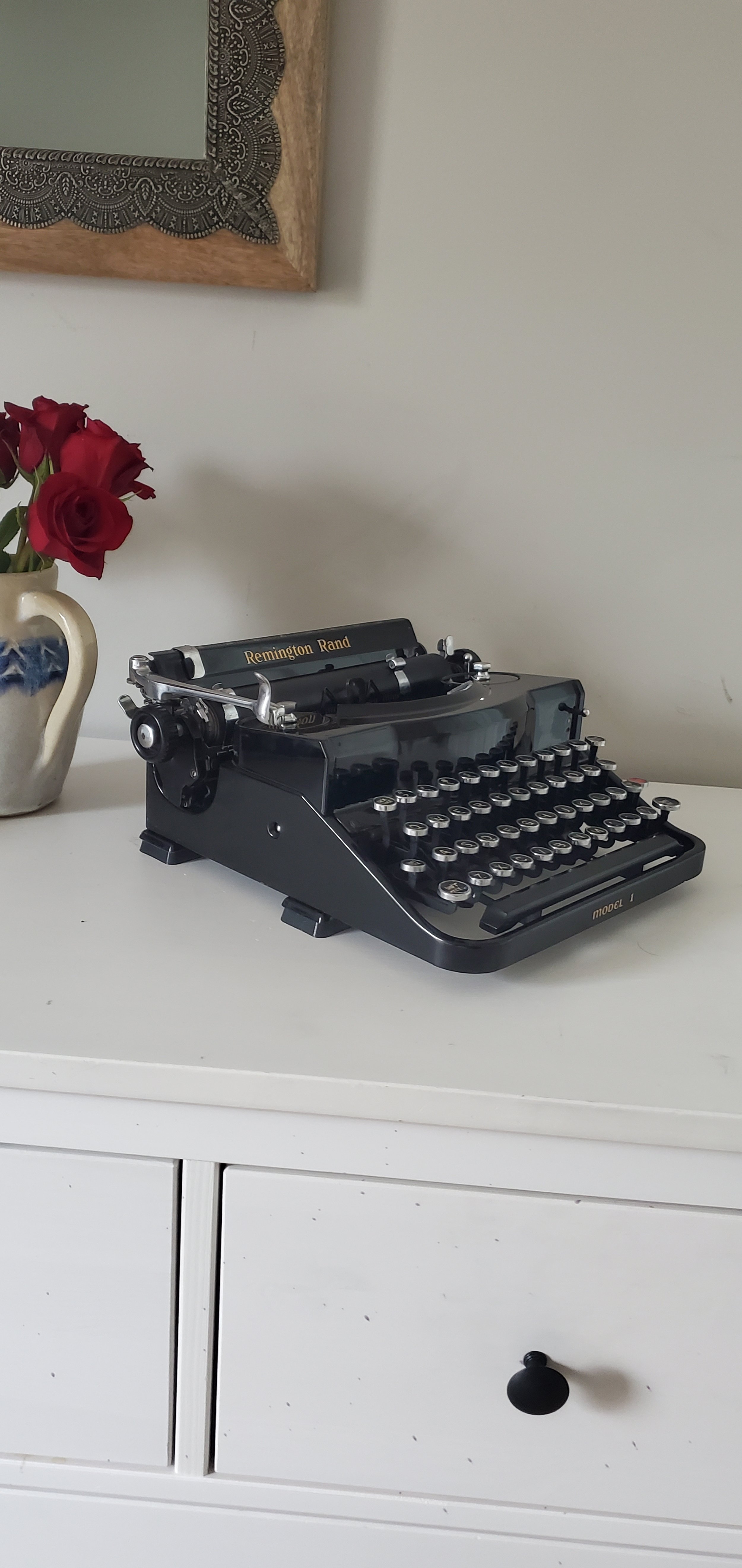
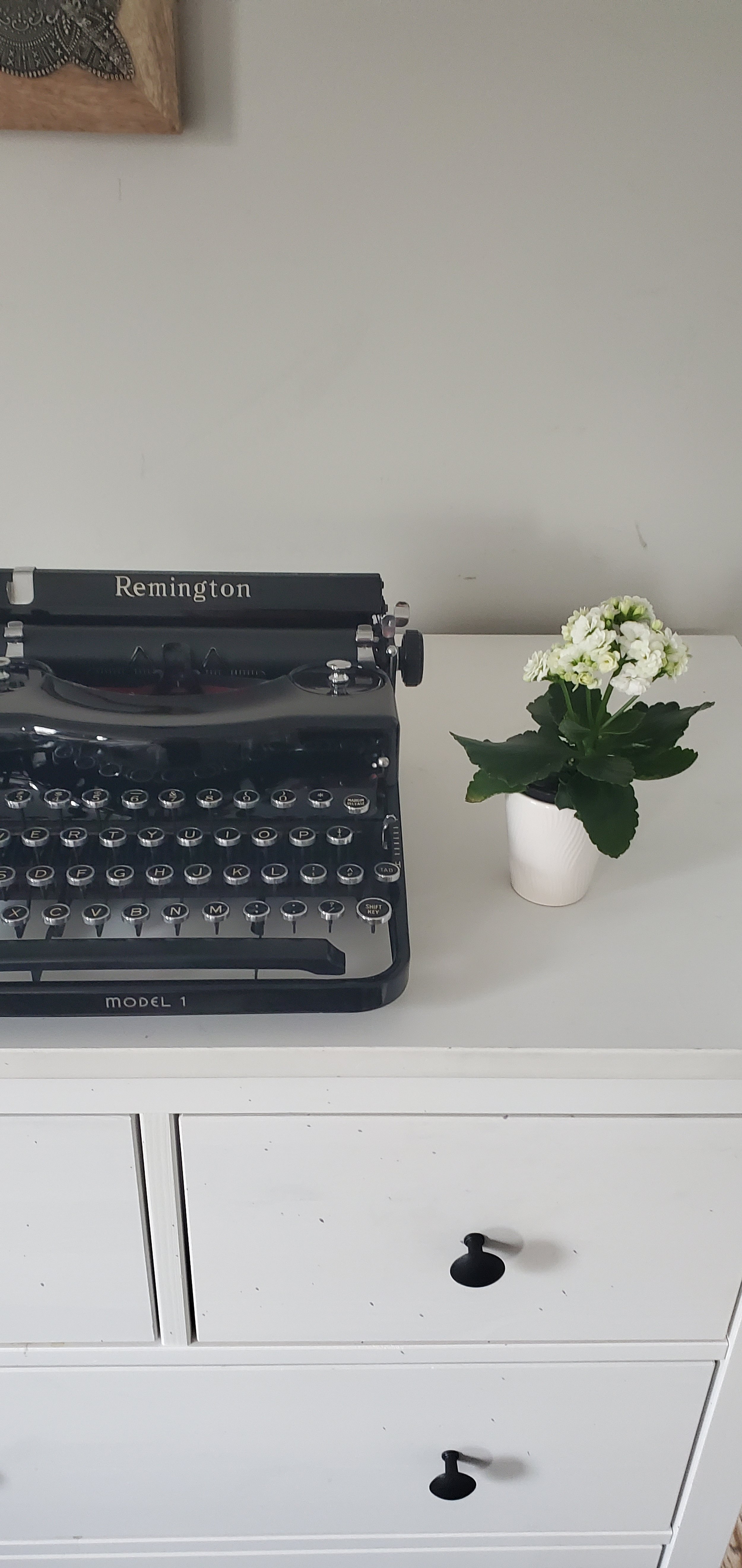

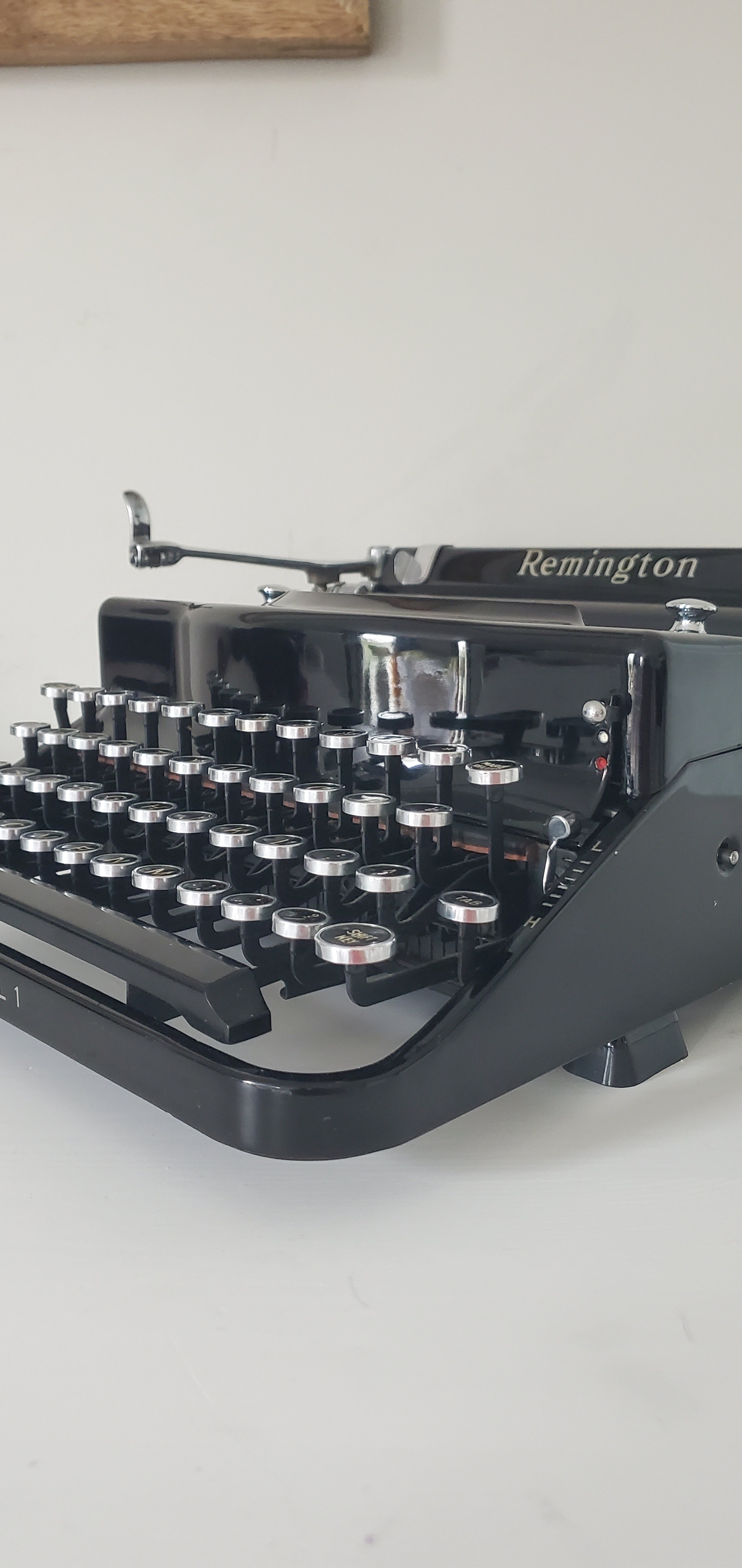
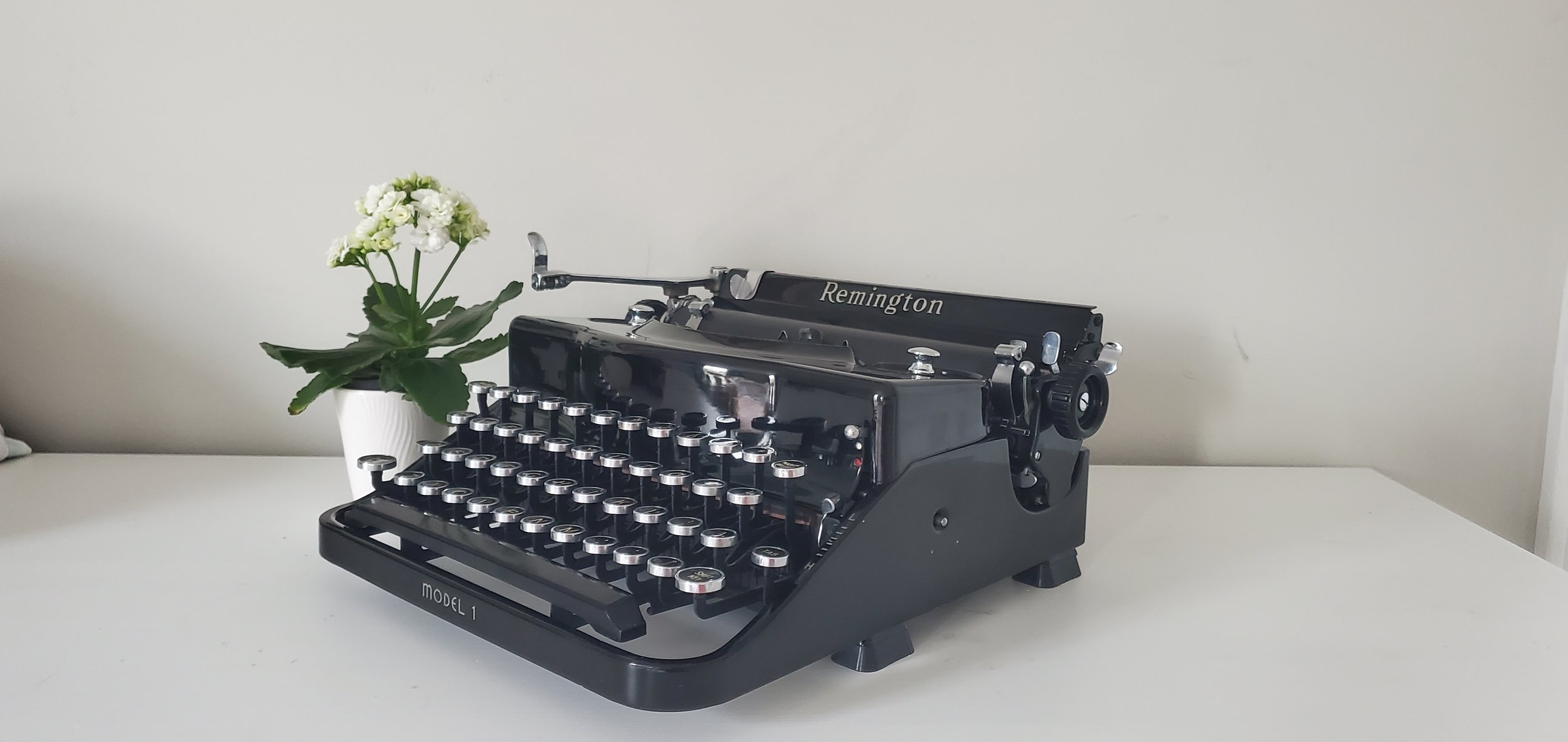
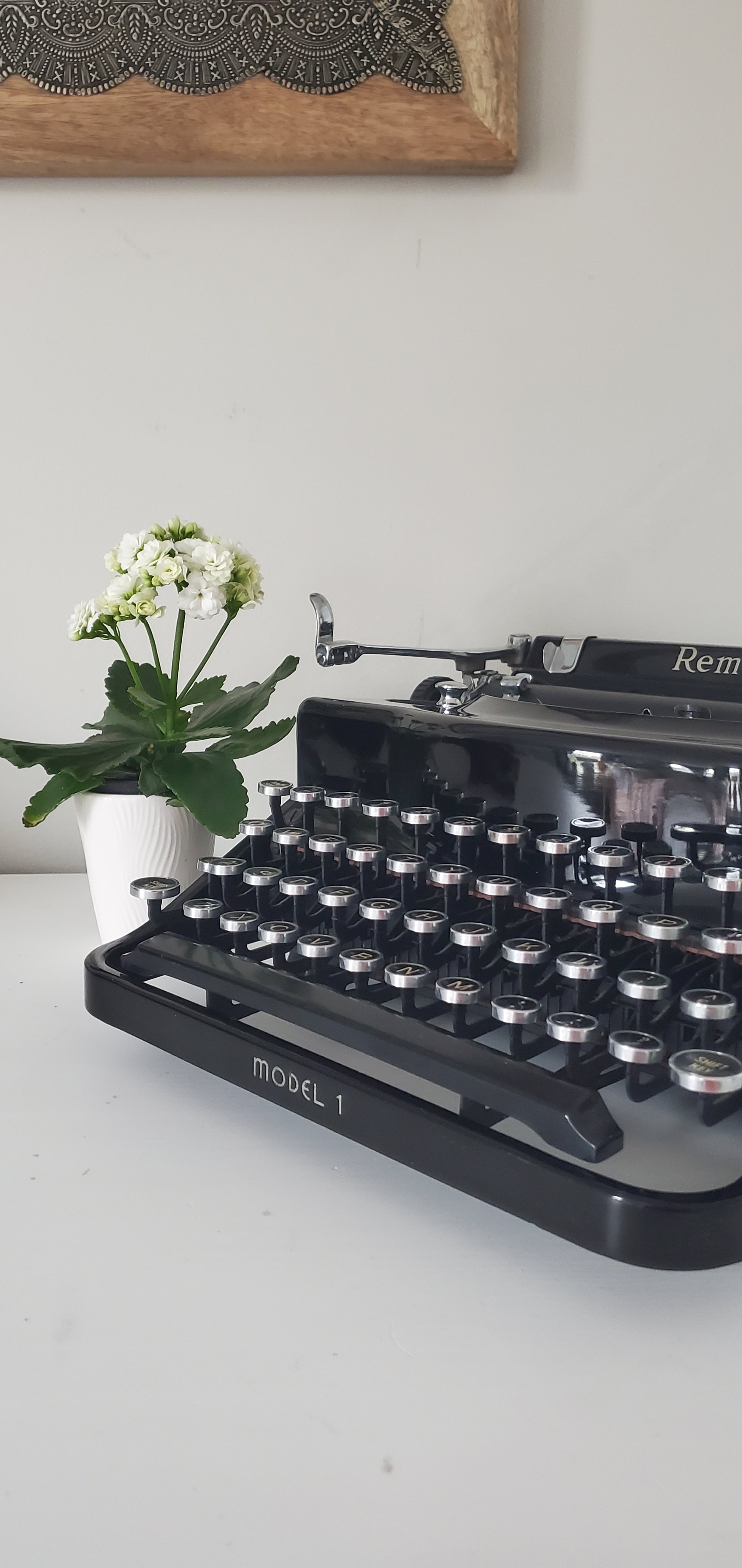
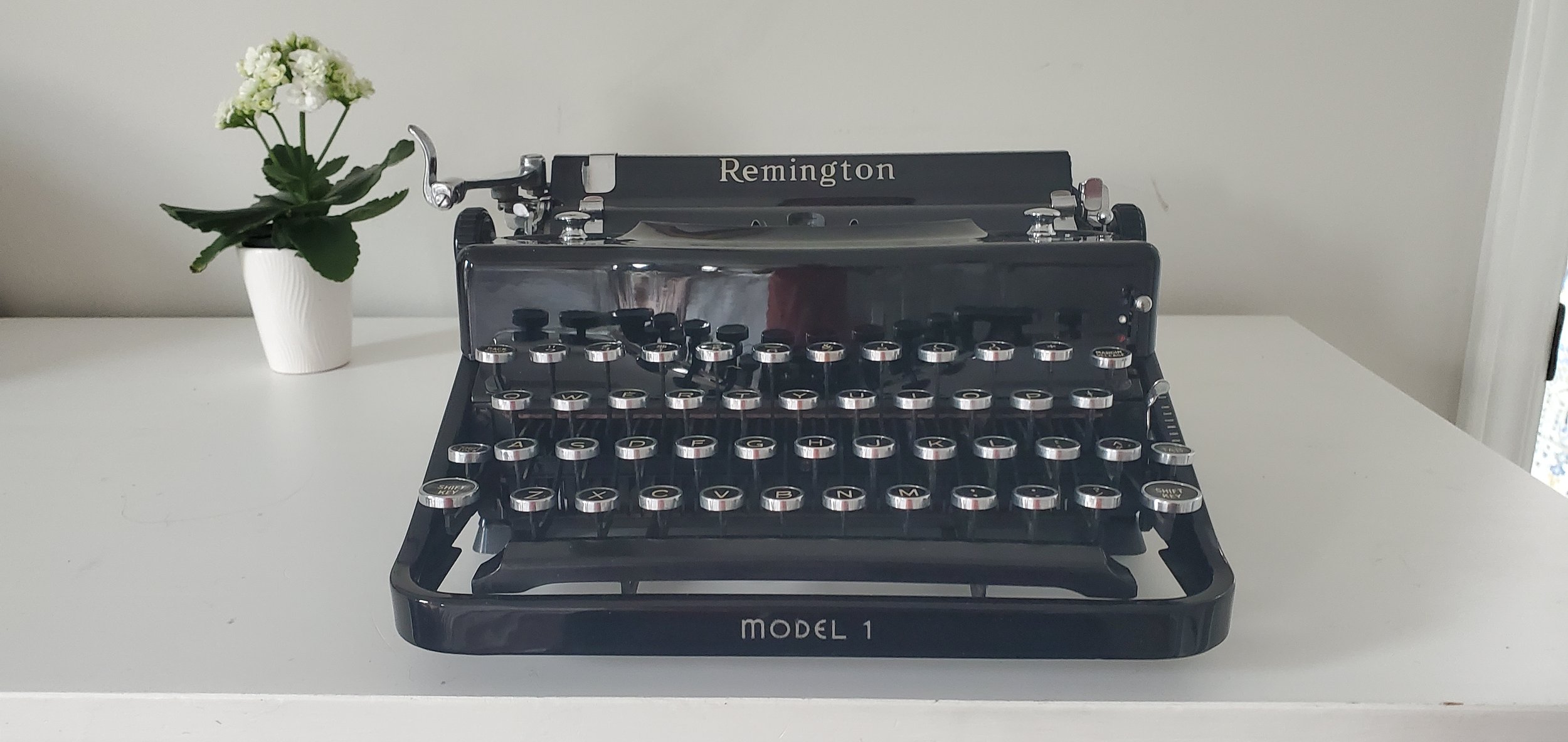
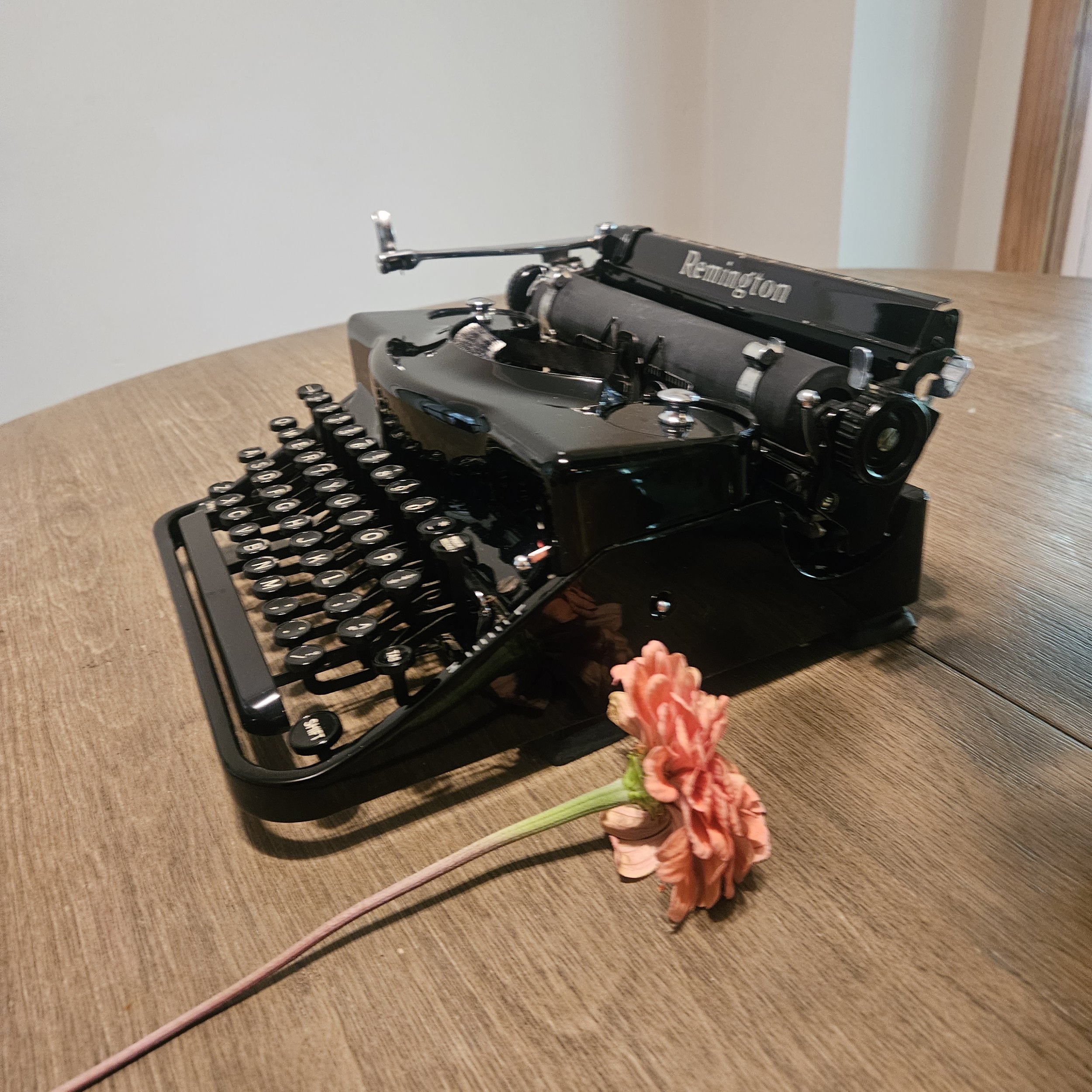
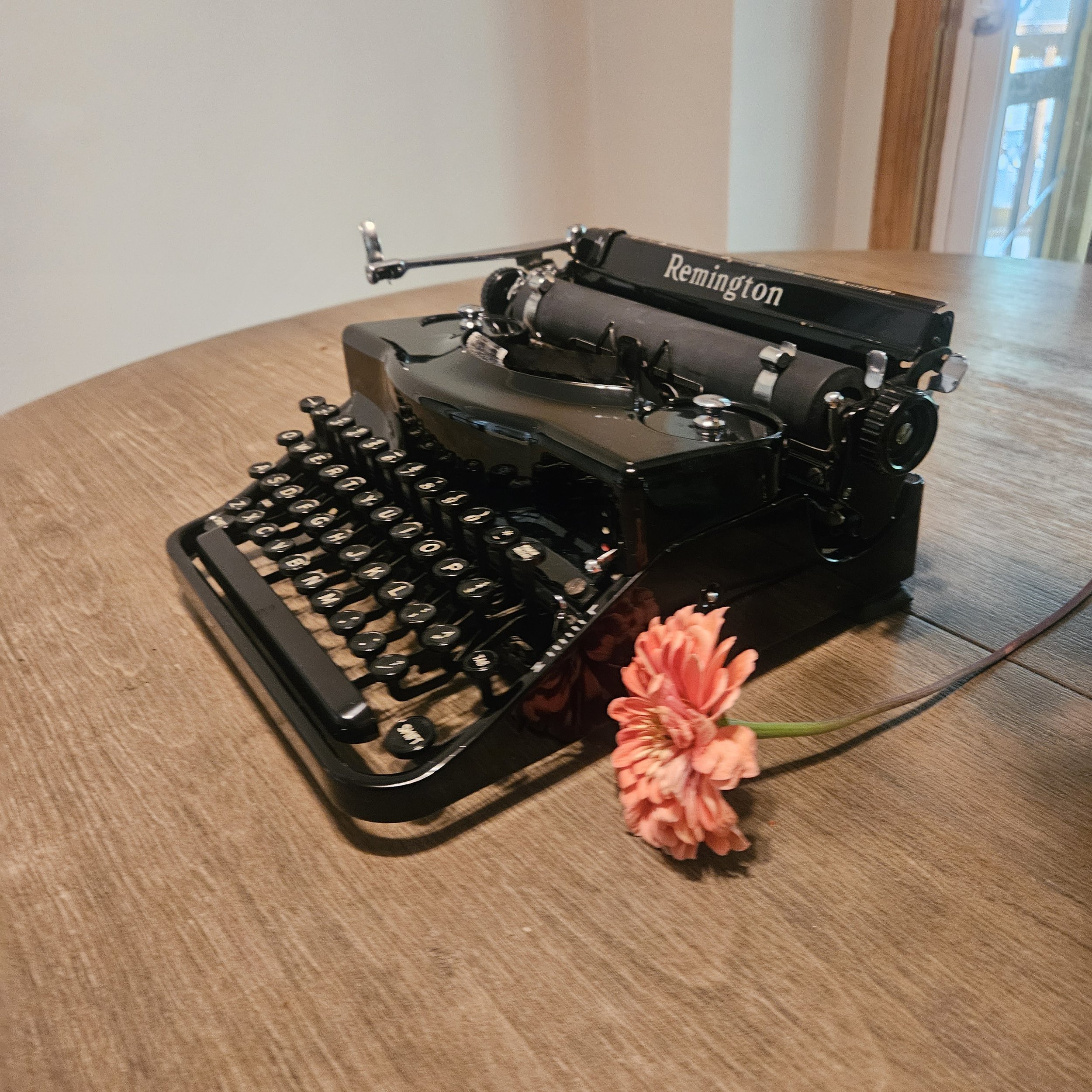
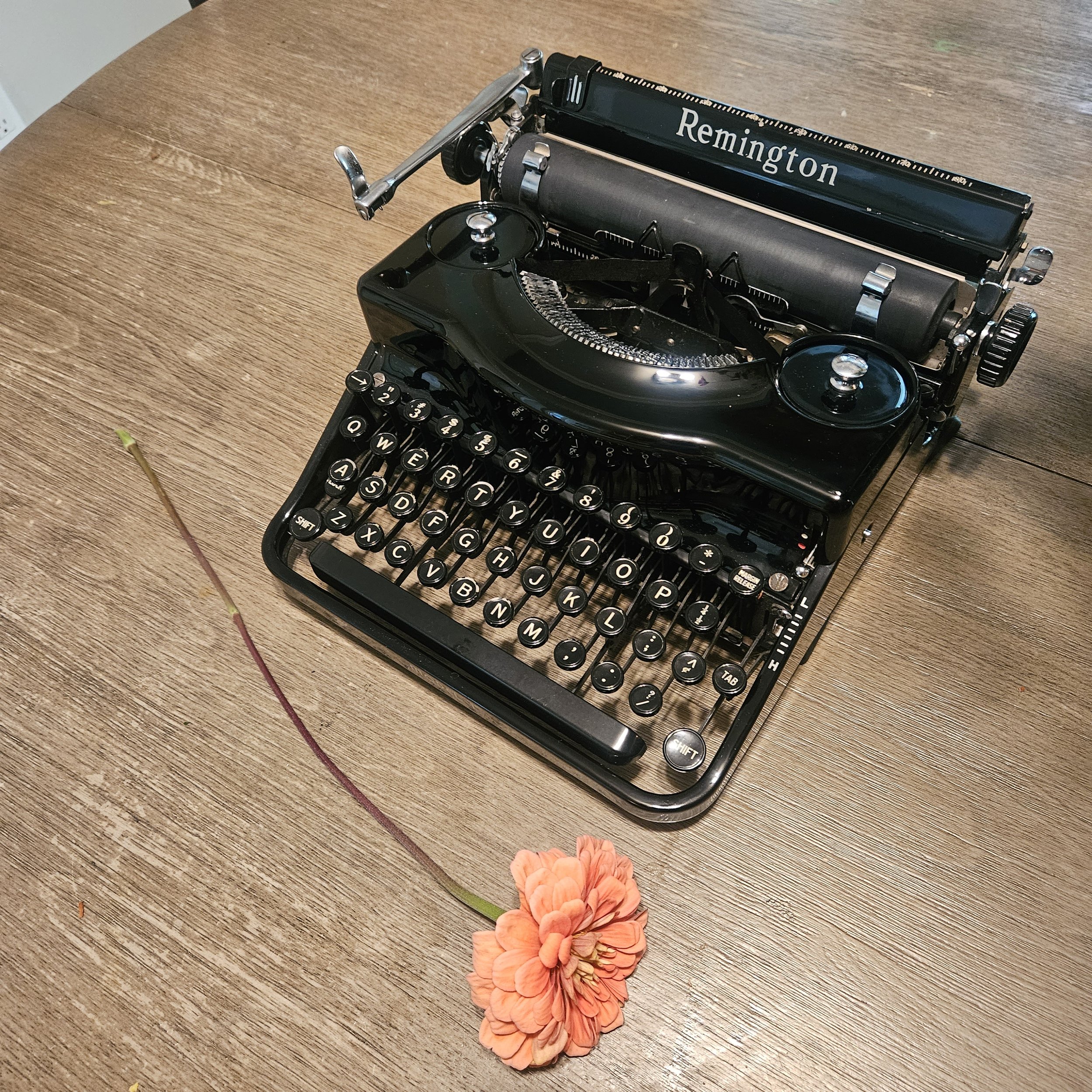
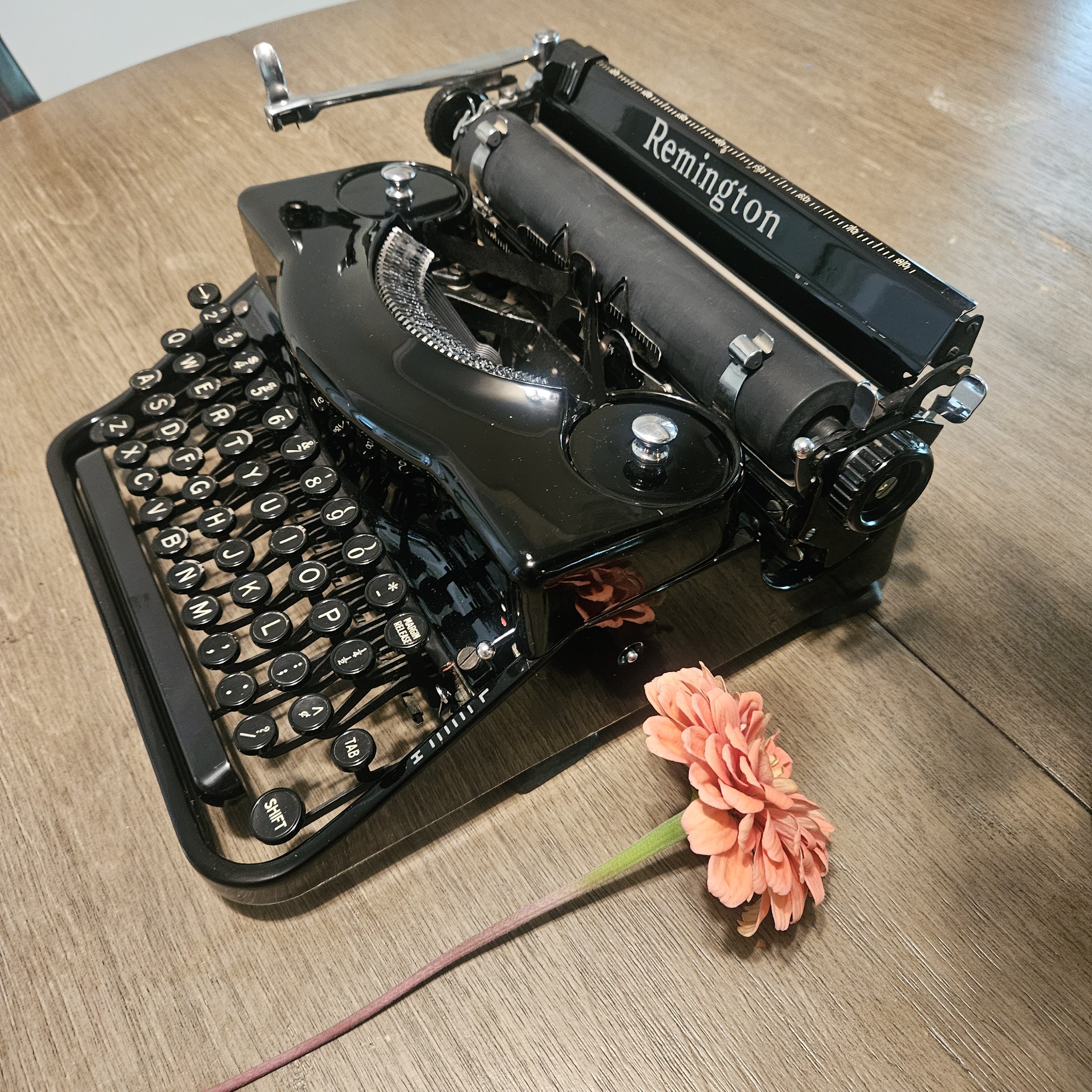
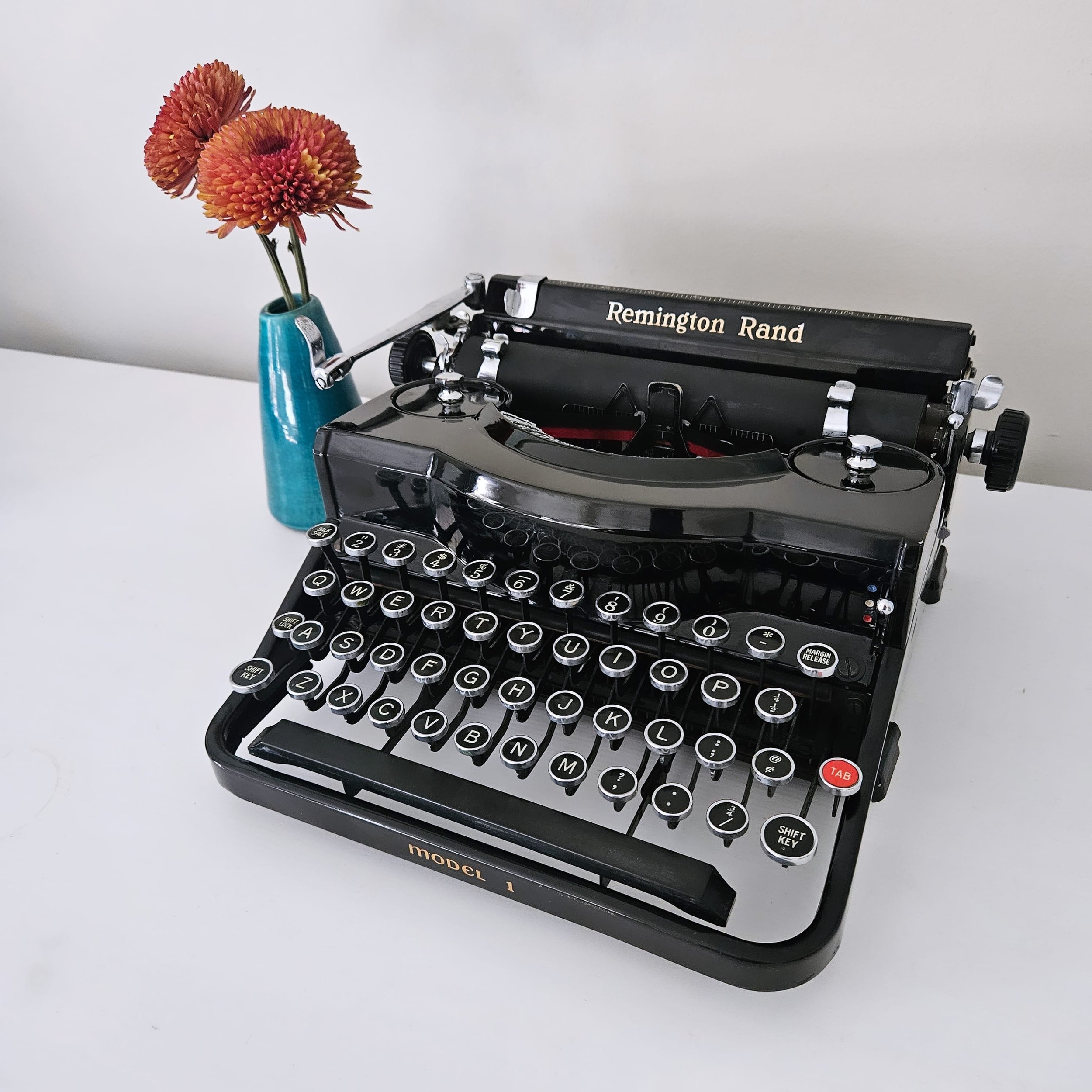
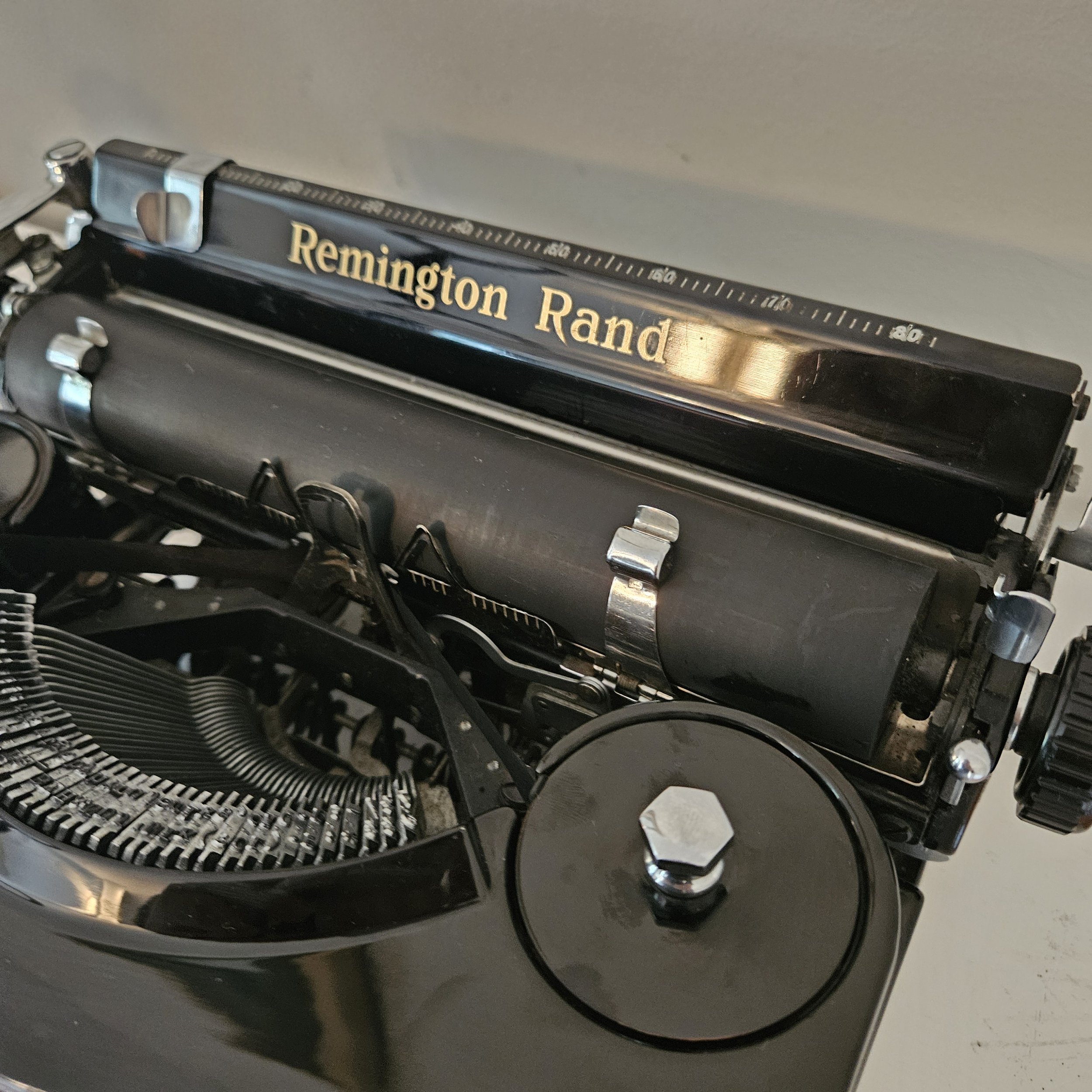
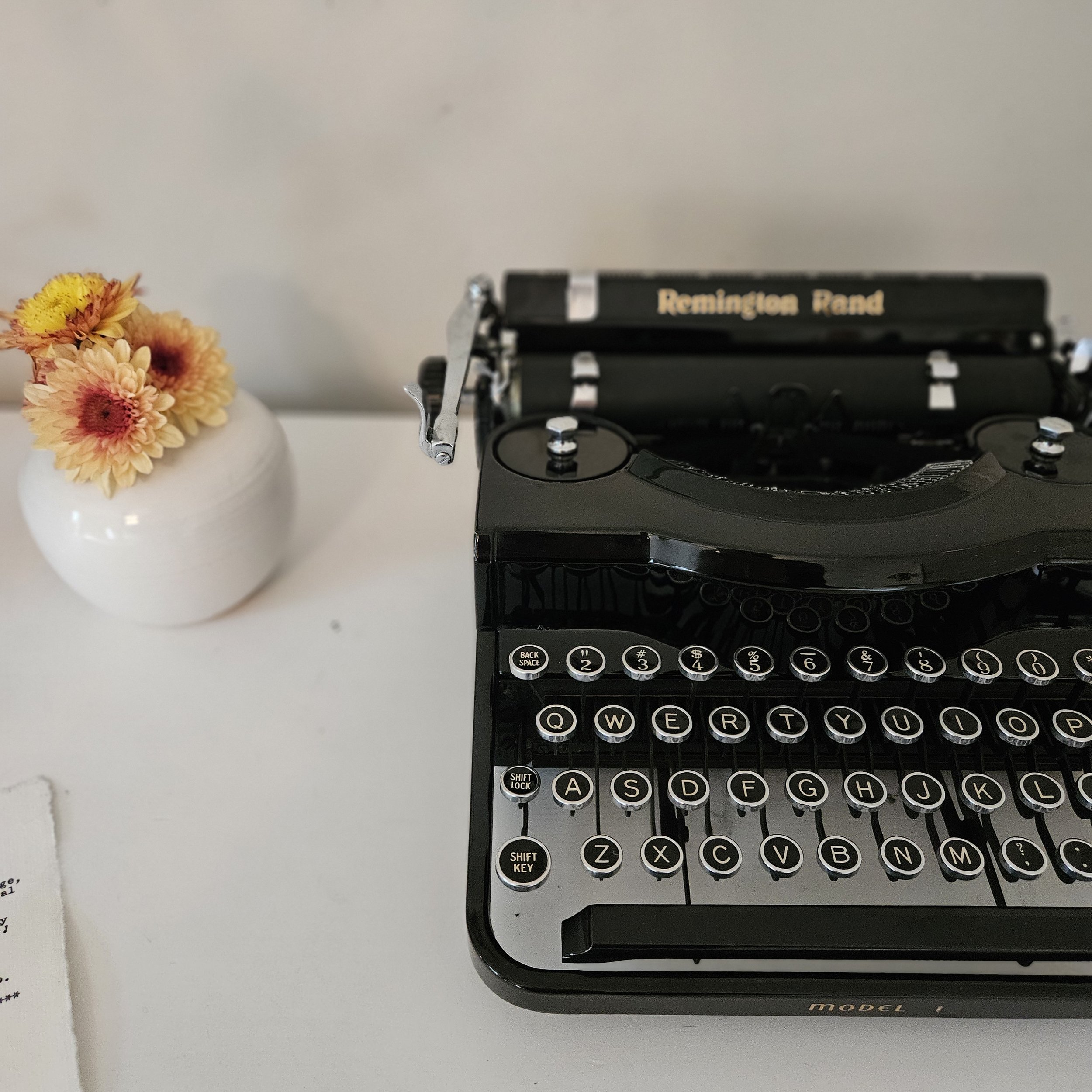
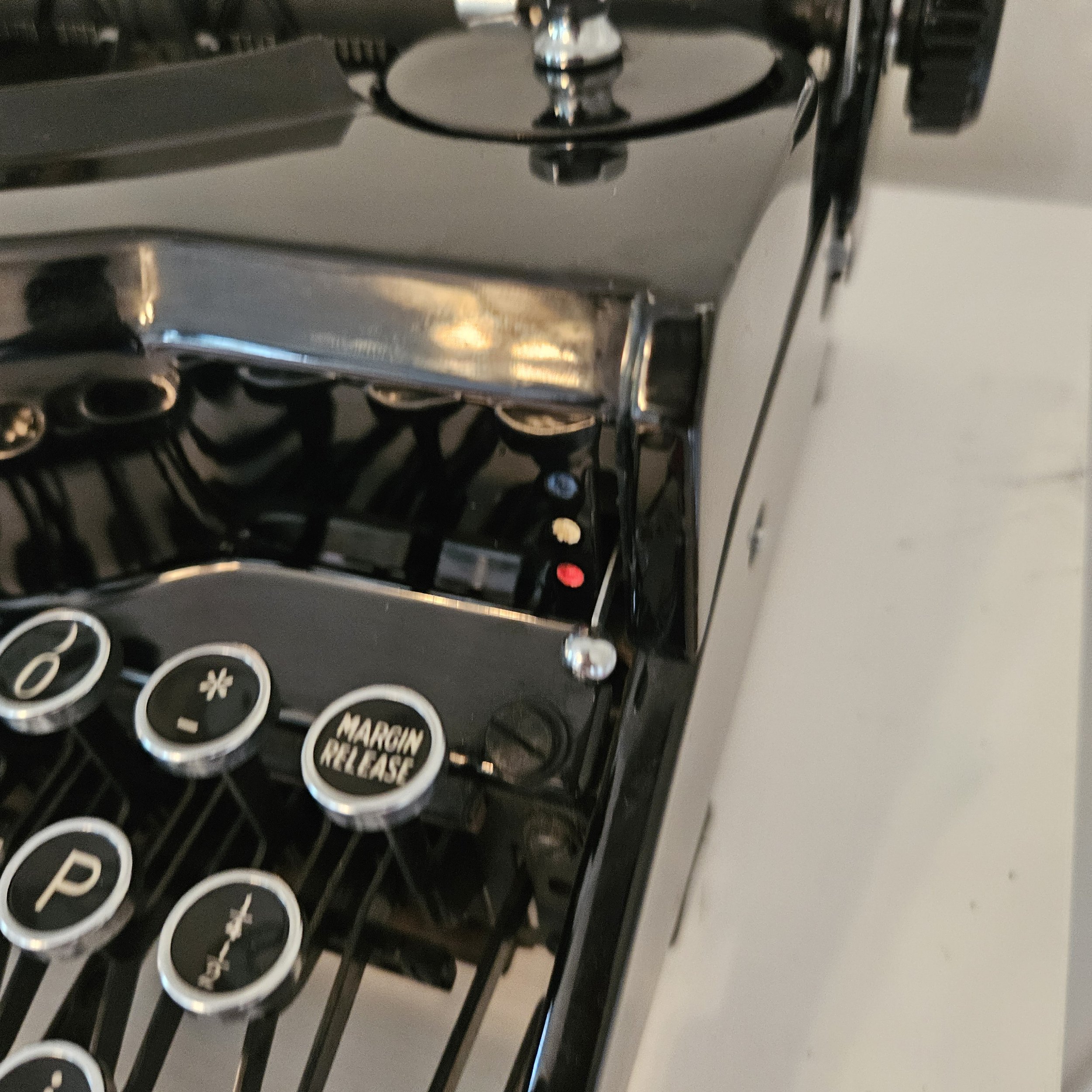
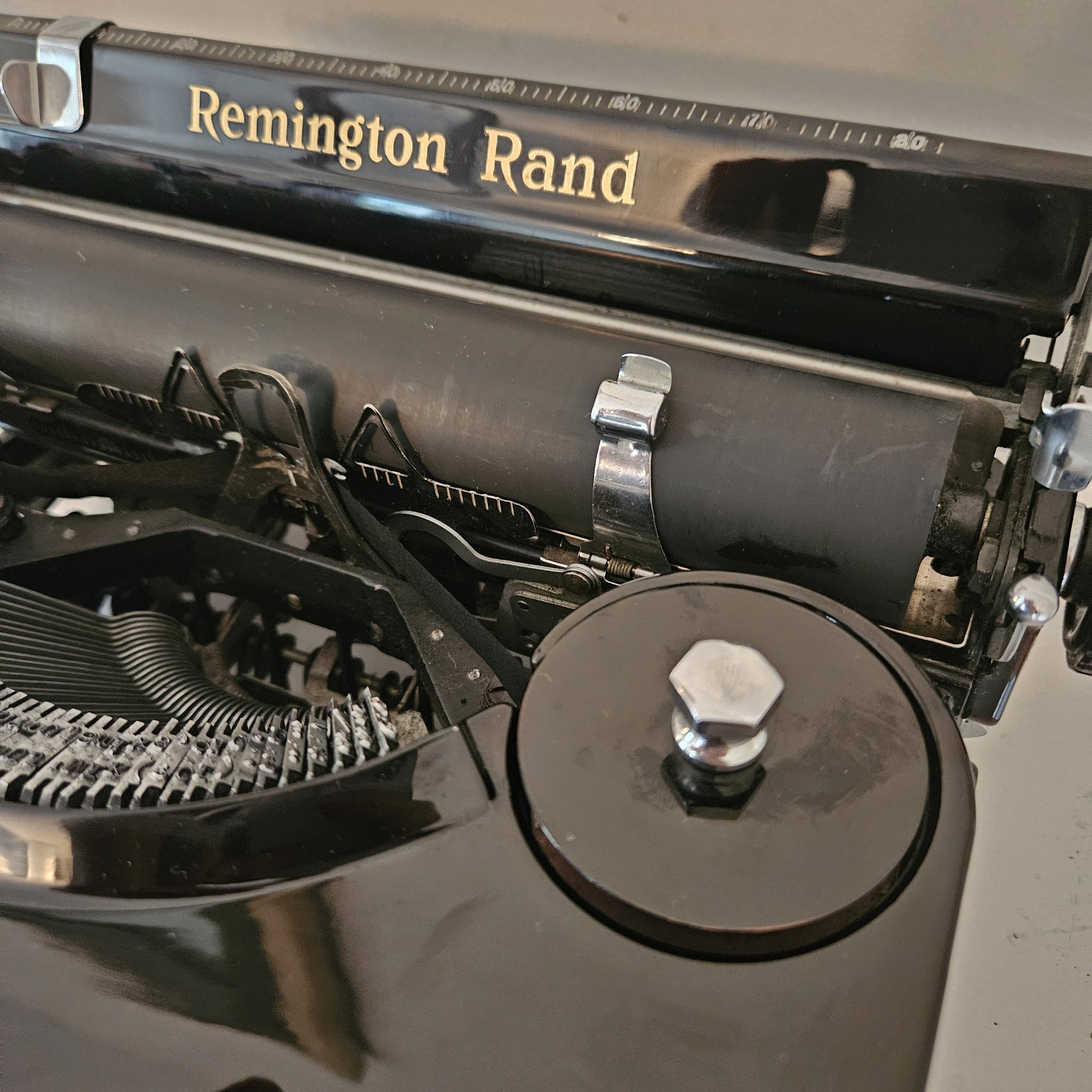
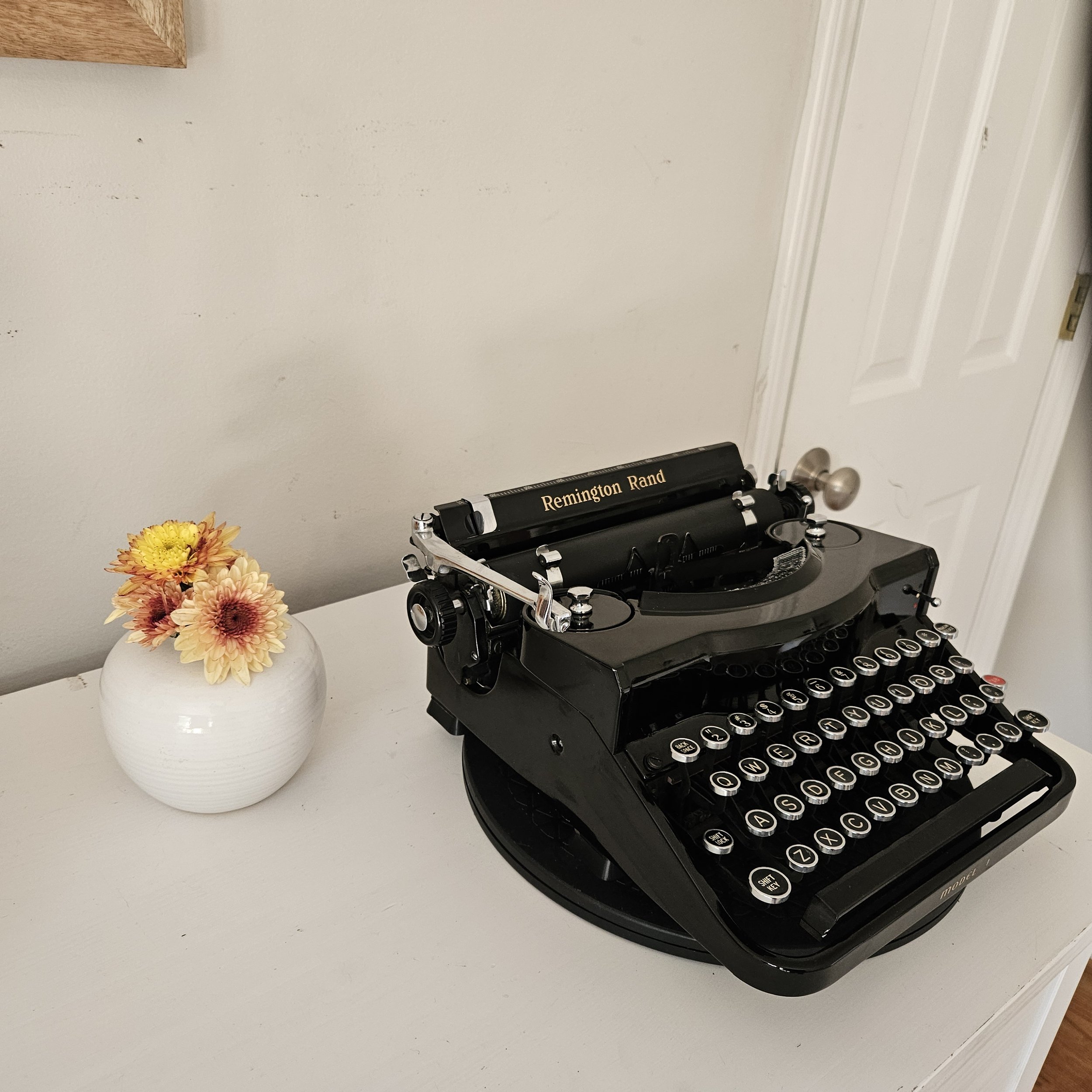
Circa 1938 Remington Model 1 'Noiseless' aka 'Speed' Working Typewriter with Case
Welcome to one of history’s finest typewriters, lovingly restored for your writing pleasure.
Order now. In about 2 weeks, you’ll get a stunning, authentic, lovingly-restored specimen of this model in the condition selected.
***
The Remington Model 1 Portable typewriter was used by some of the greatest writers who ever wrote. Arthur C. Clarke, Agatha Christie, Mark Twain, and Allen Ginsberg for example are some of the famous writers who wrote with a Remington Model 1. Louis Armstrong wrote lyrics on one.
“Bette Davis traveled with hers and hammered-out letters to the press that had the bite of a saber-toothed tiger on Southworth paper.”
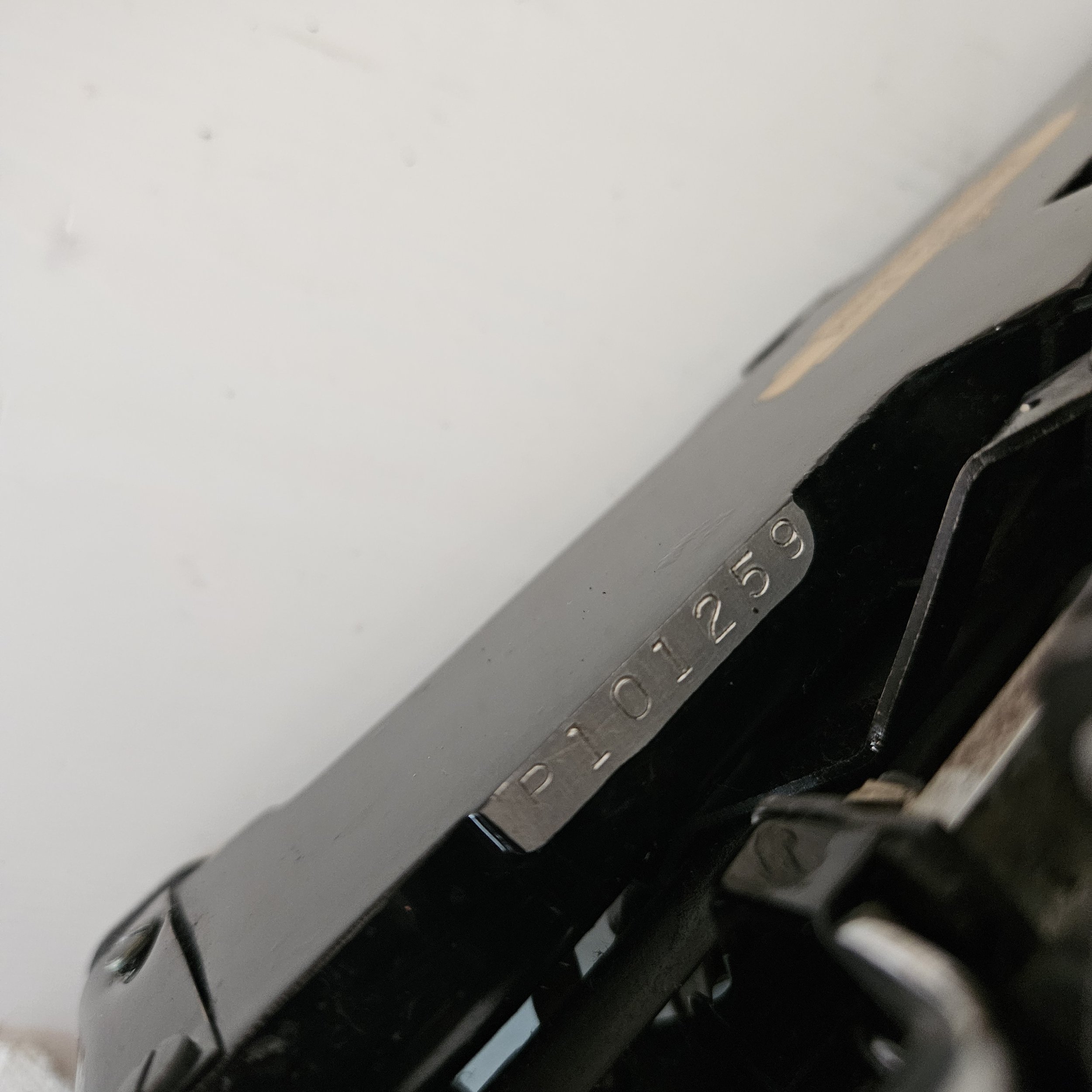
These were made from about 1932 to 1940.
In 1938 they get more rounded at the corners, but still carry the boxy iconic frame.
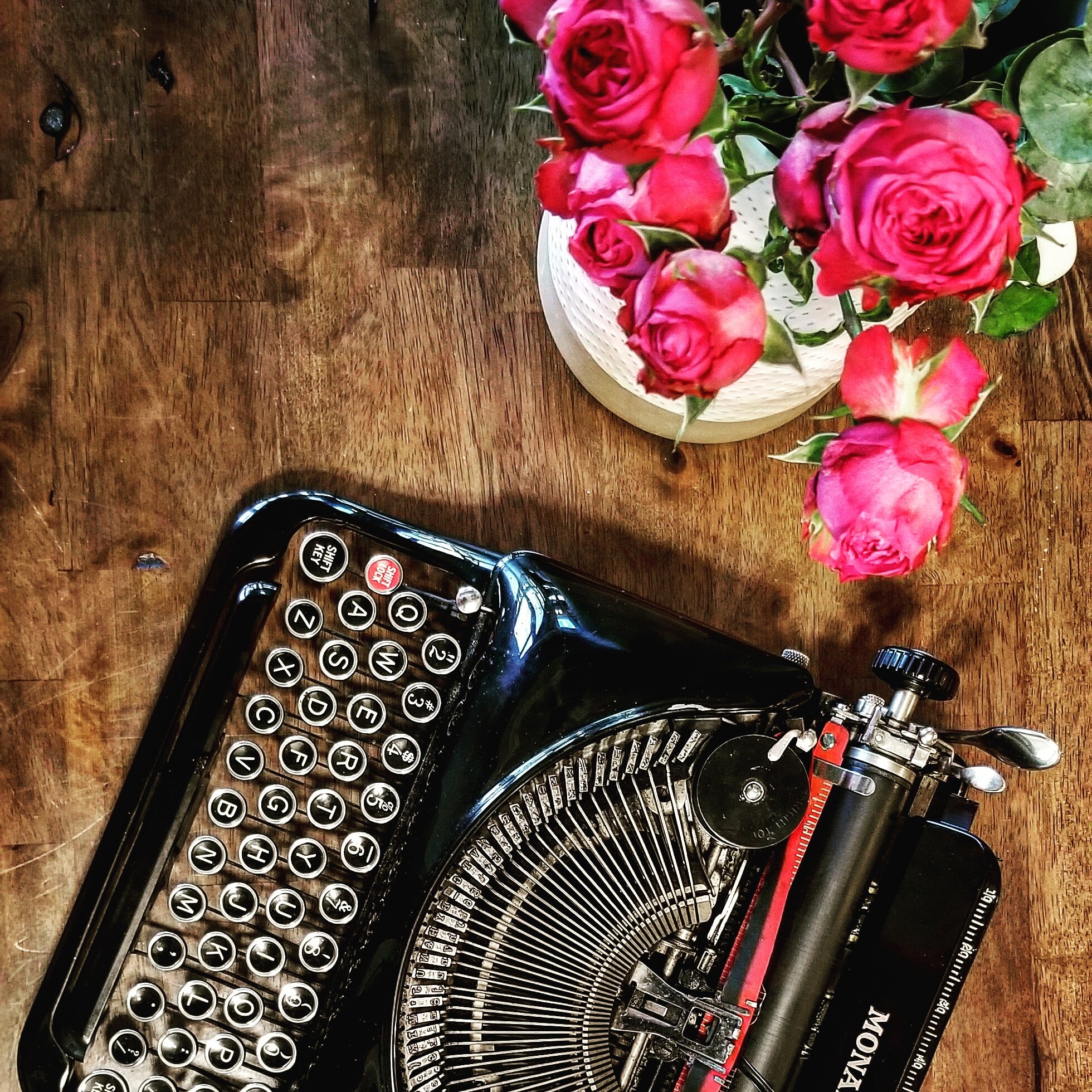
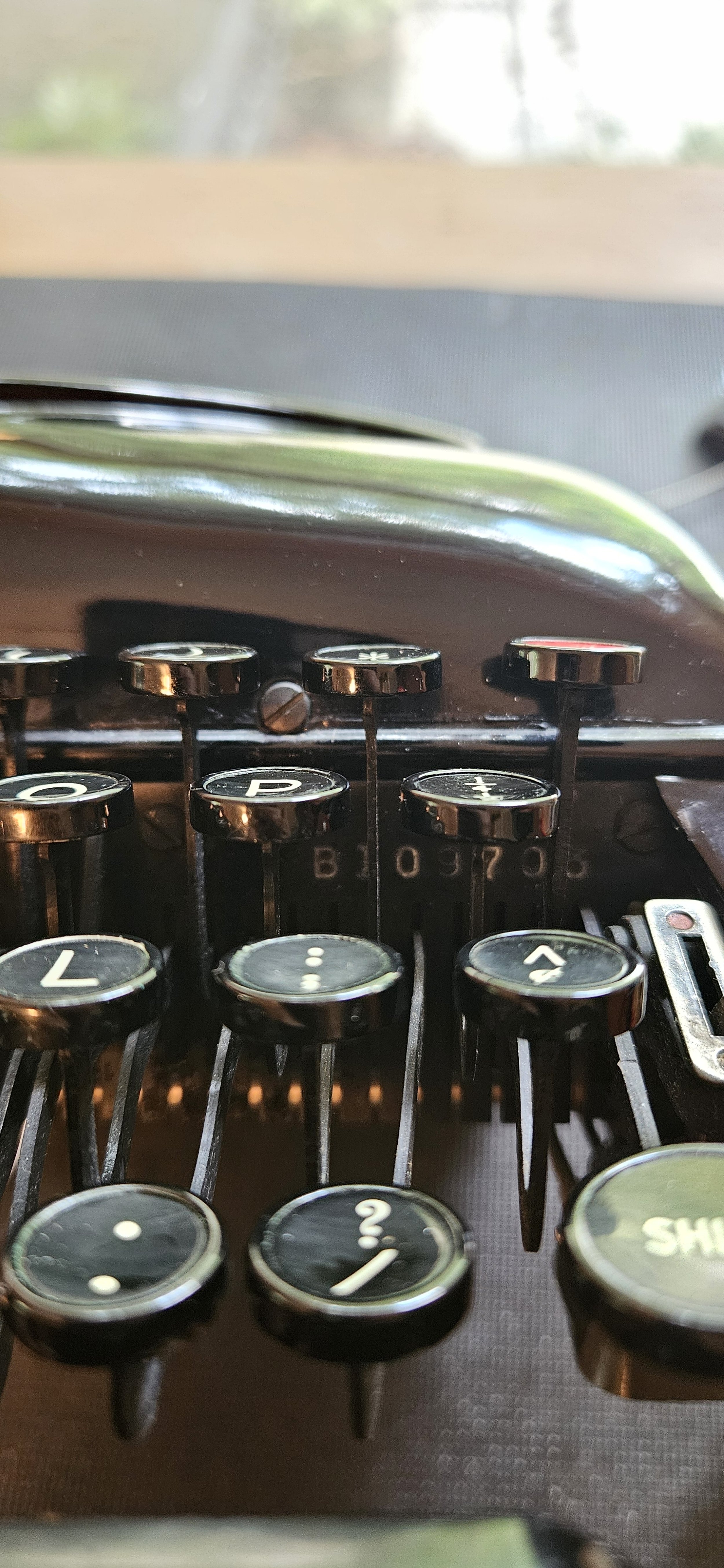
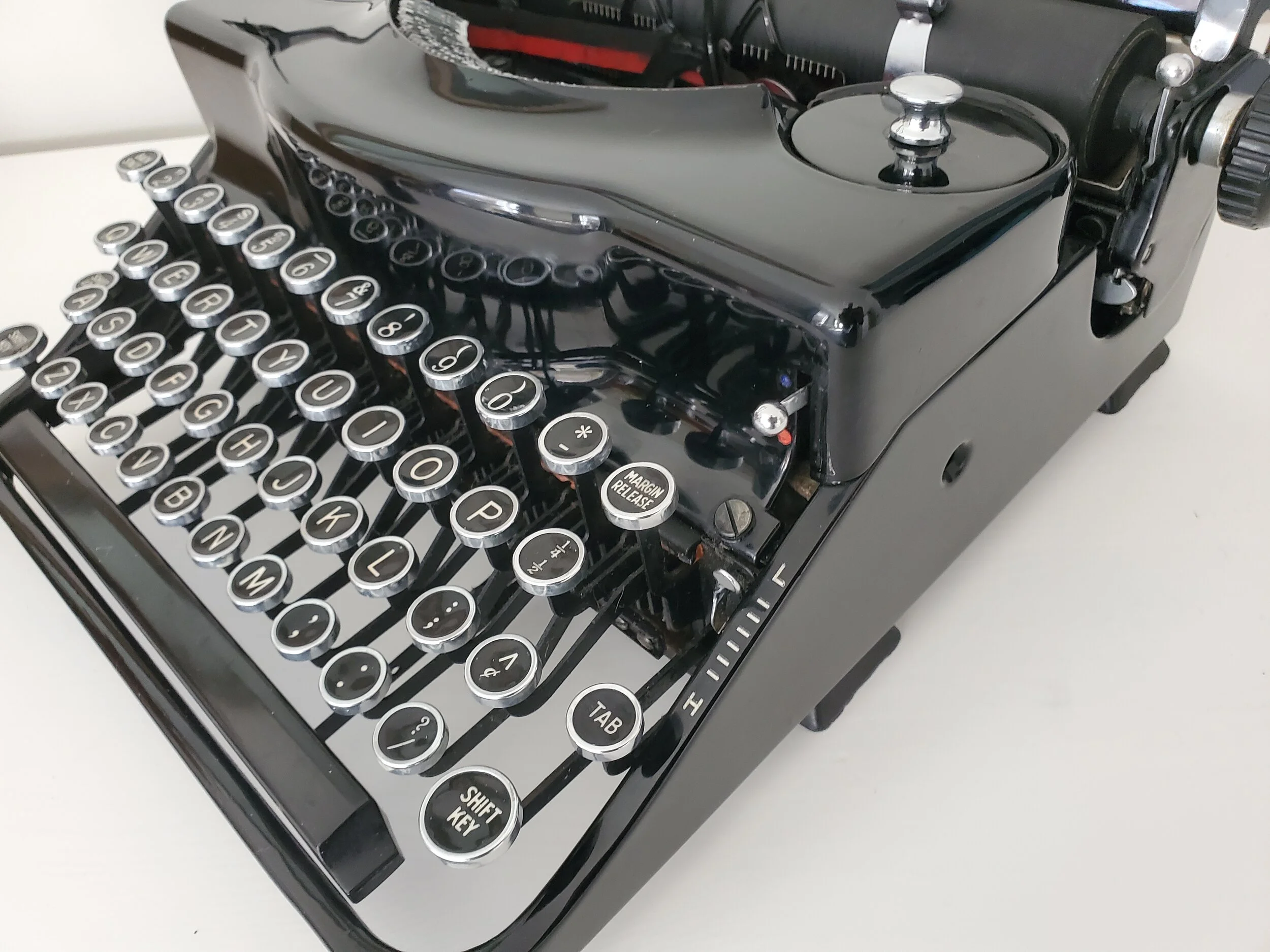
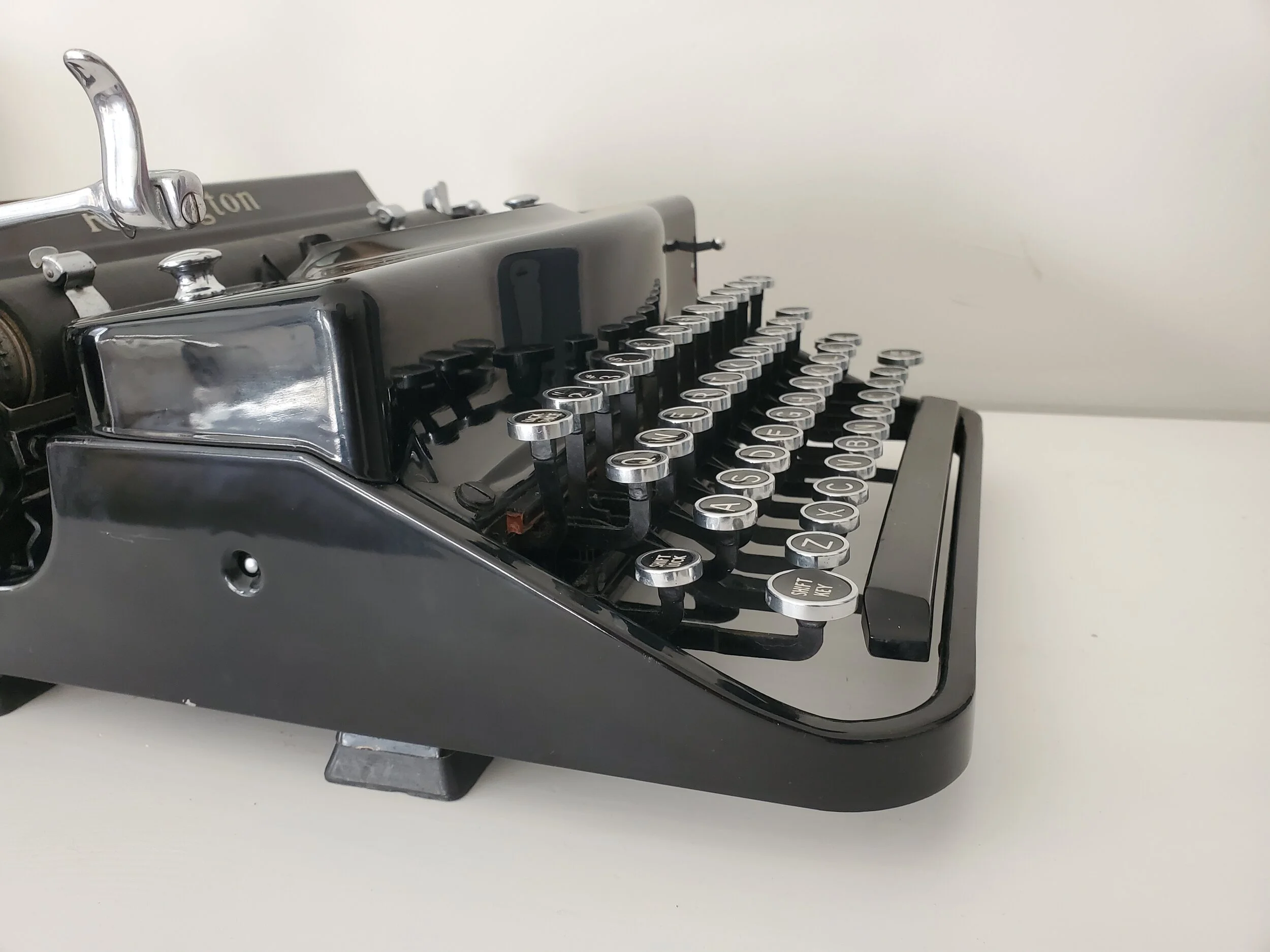
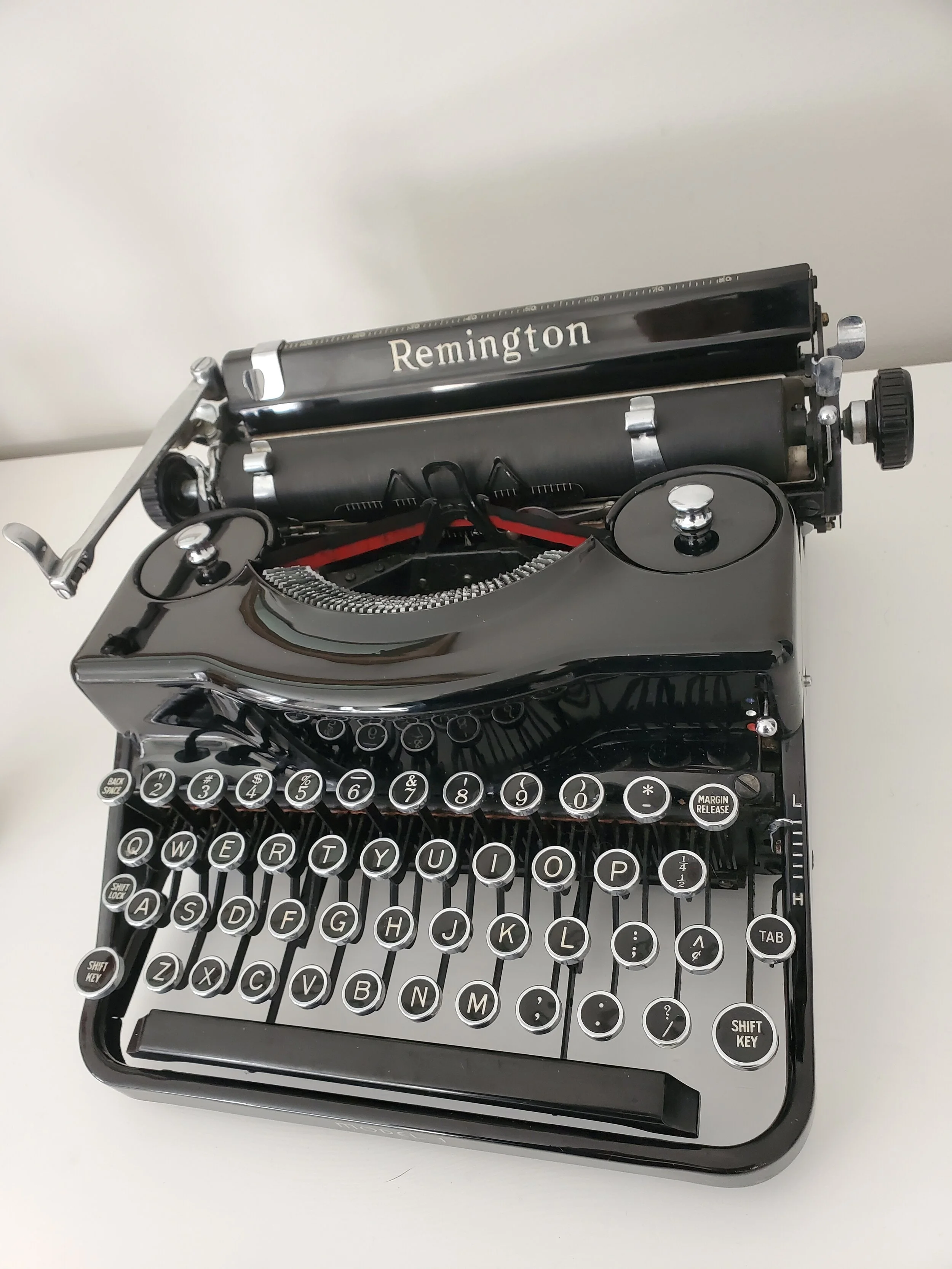
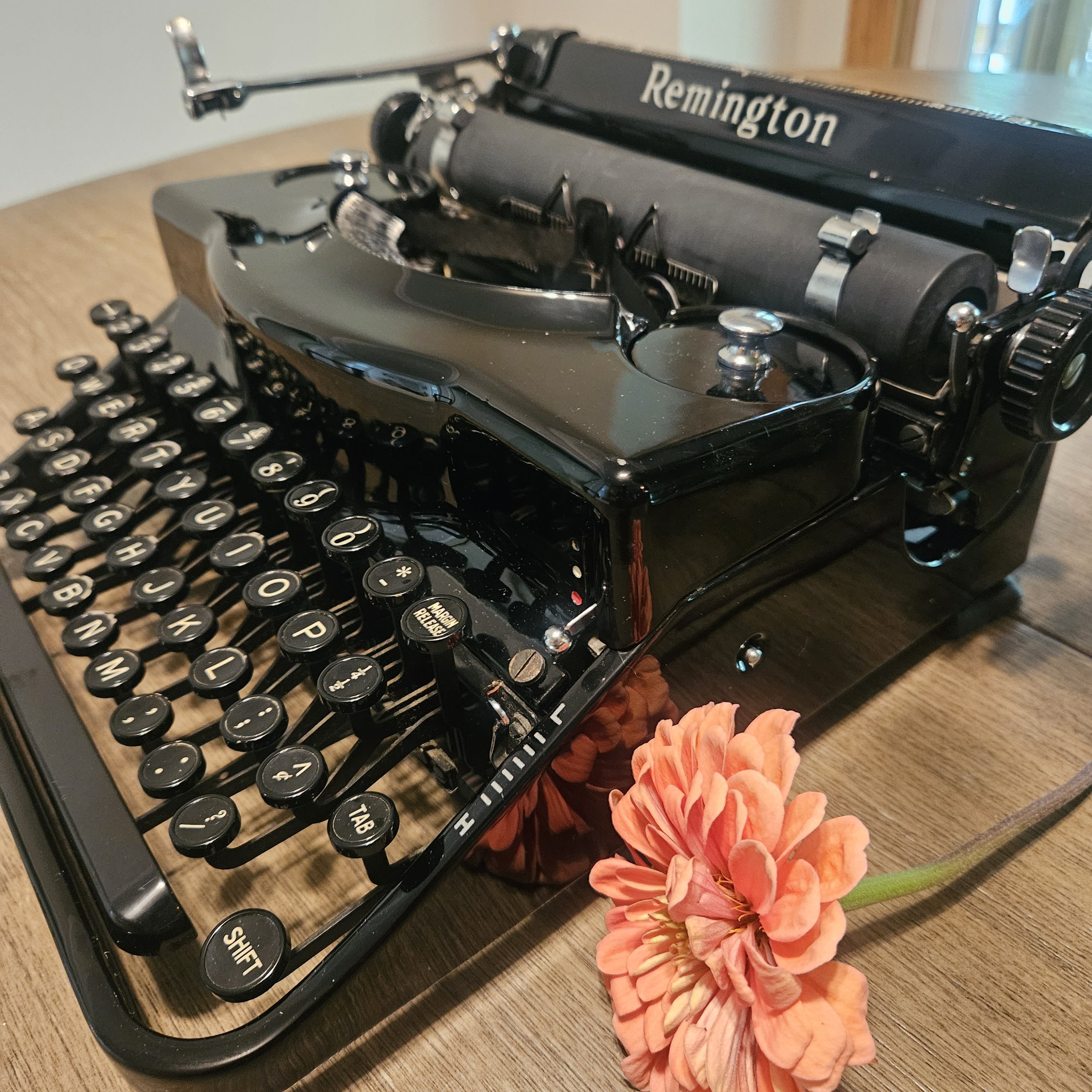
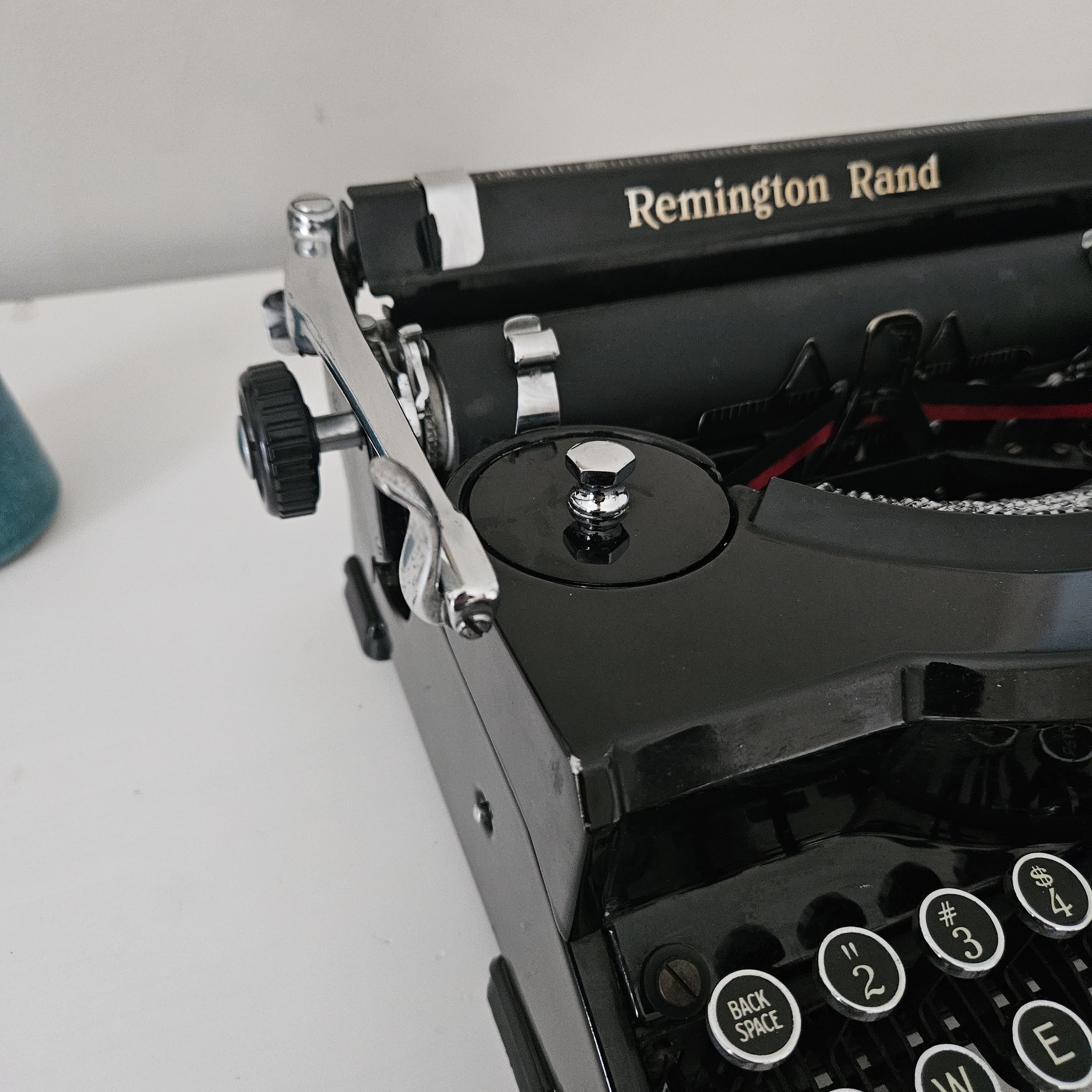
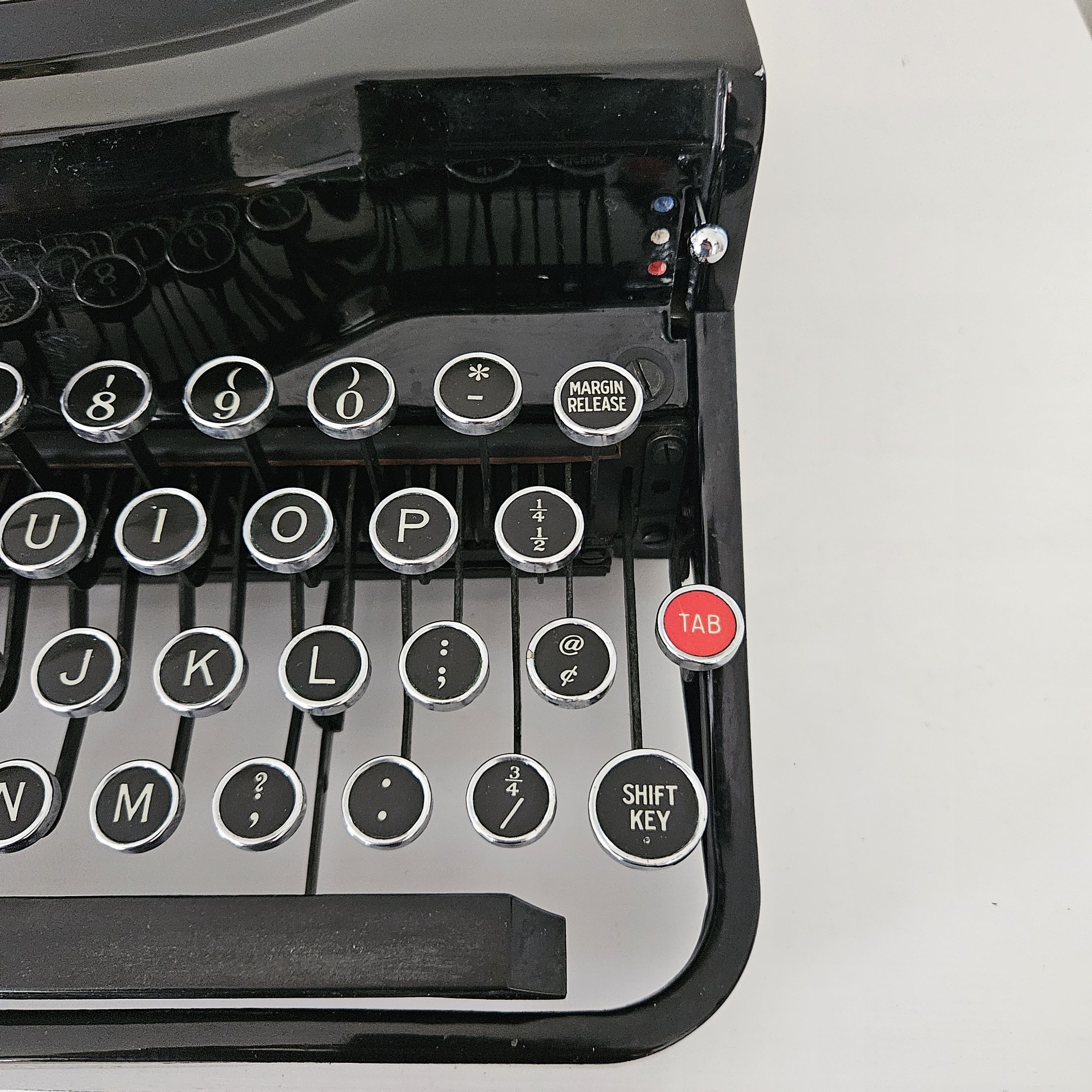
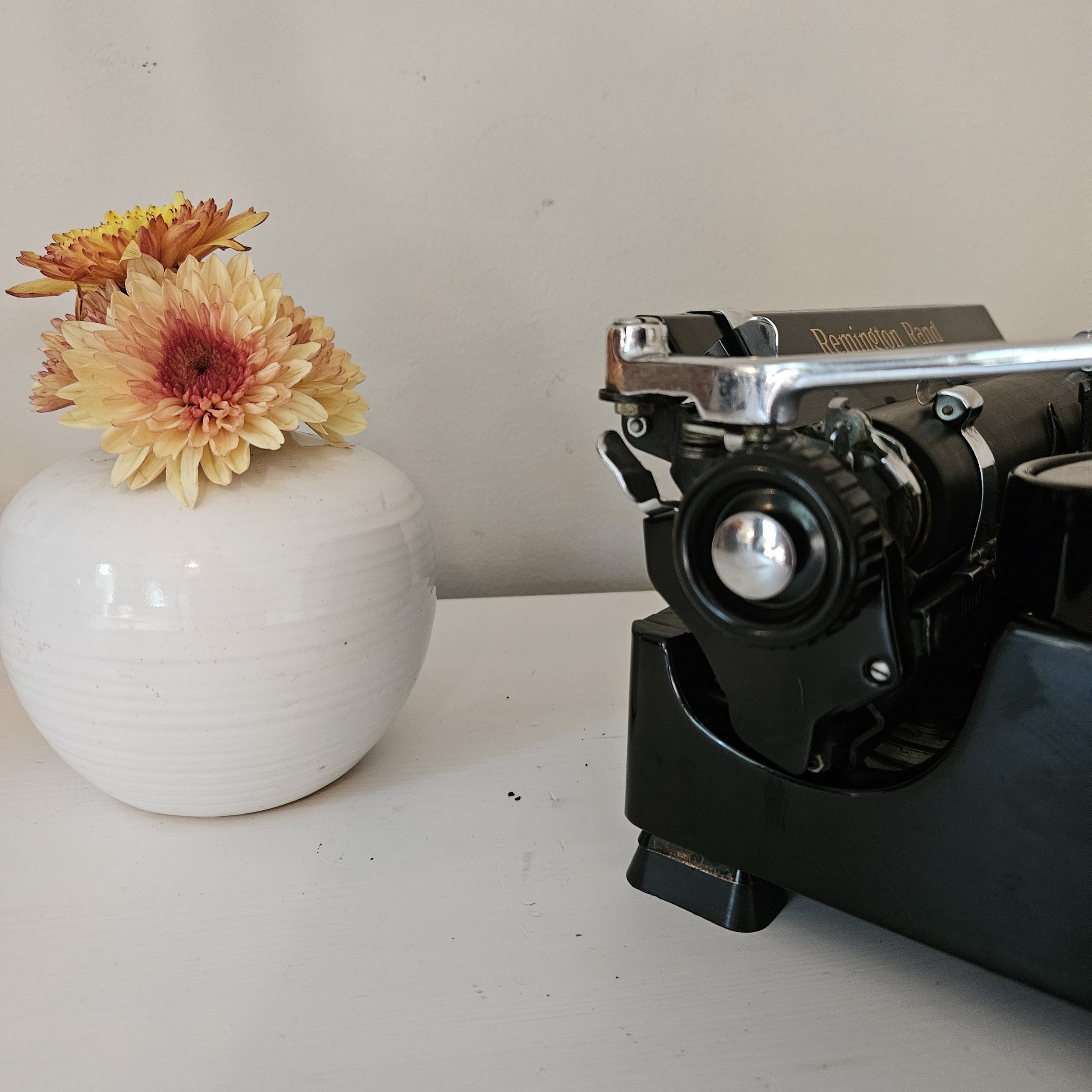
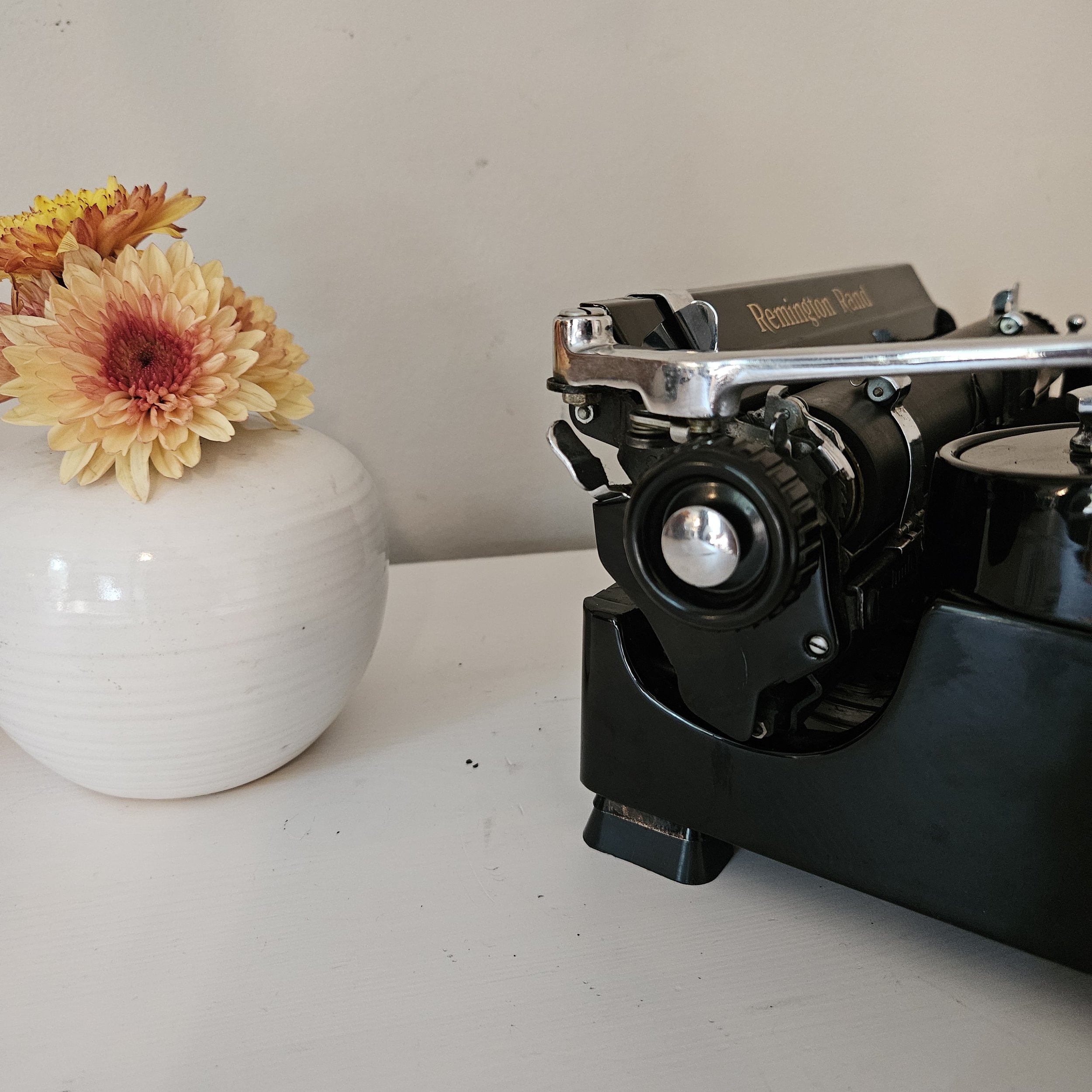
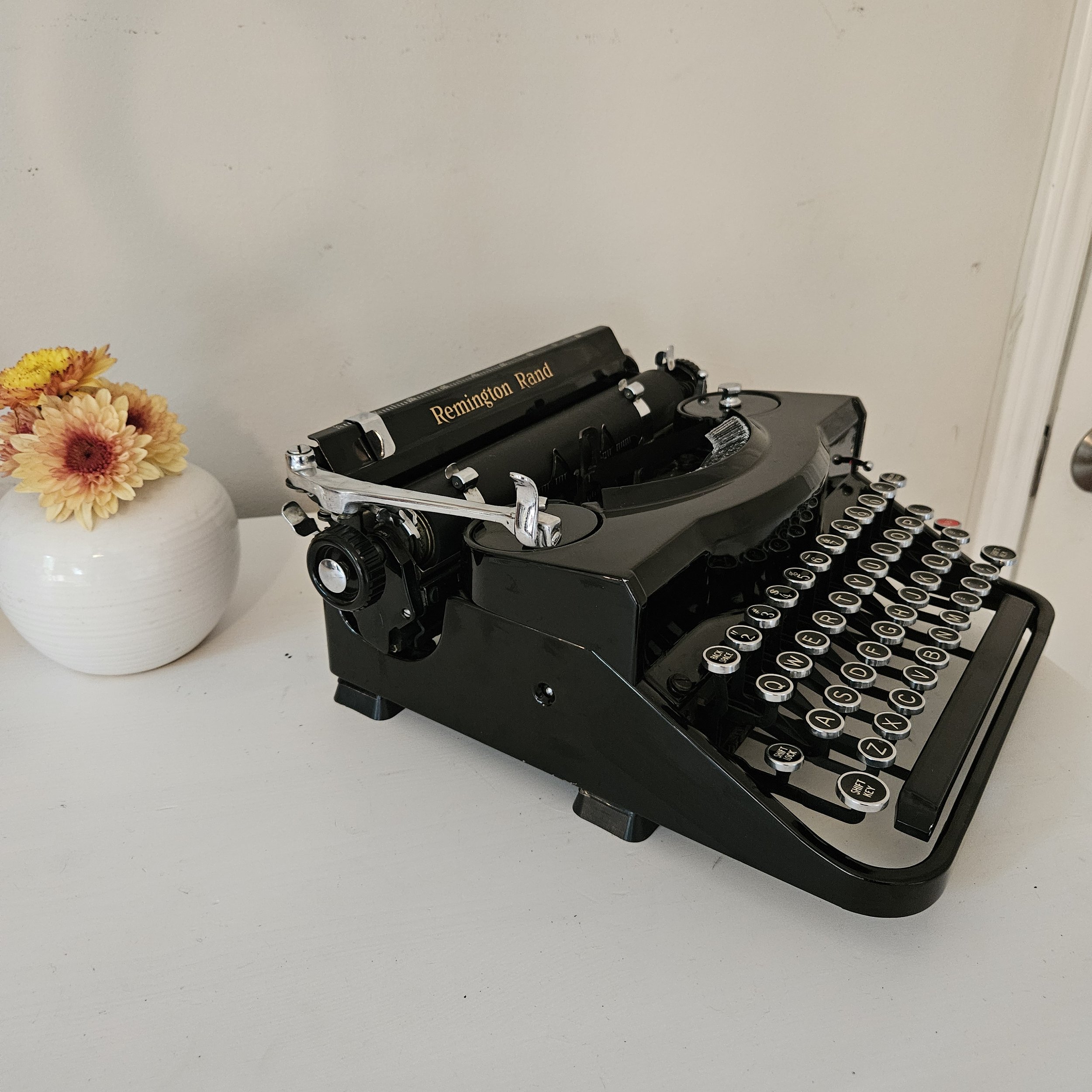
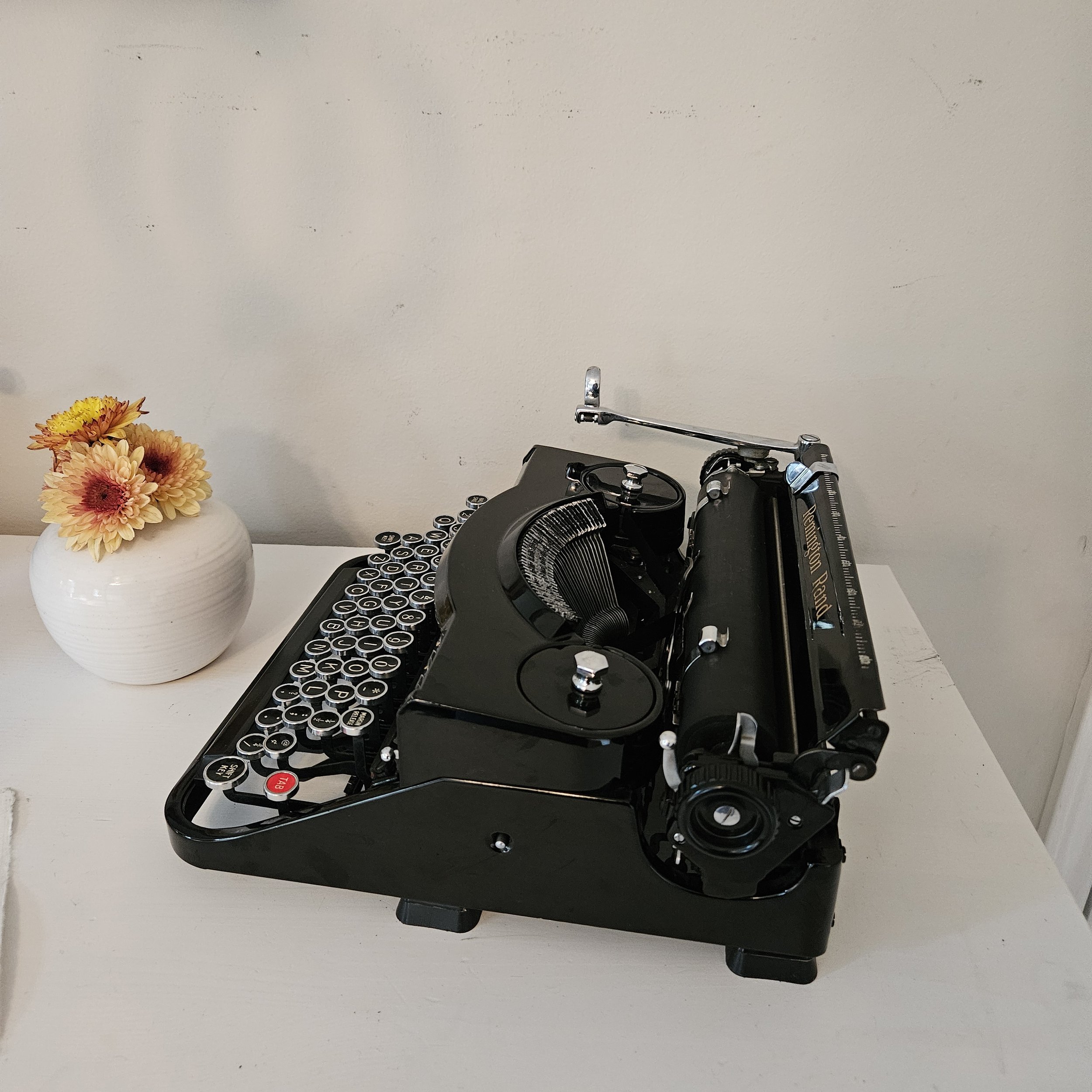
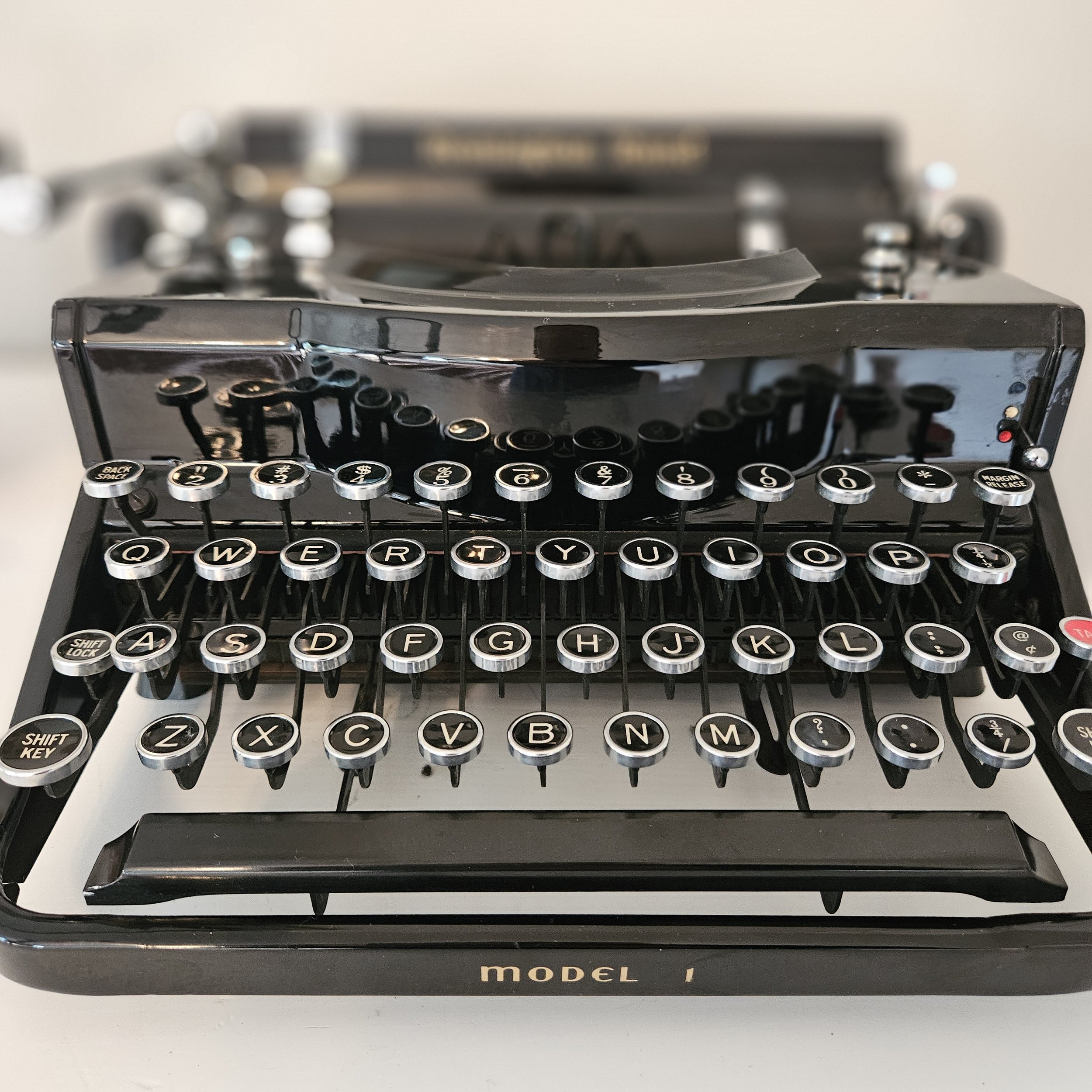
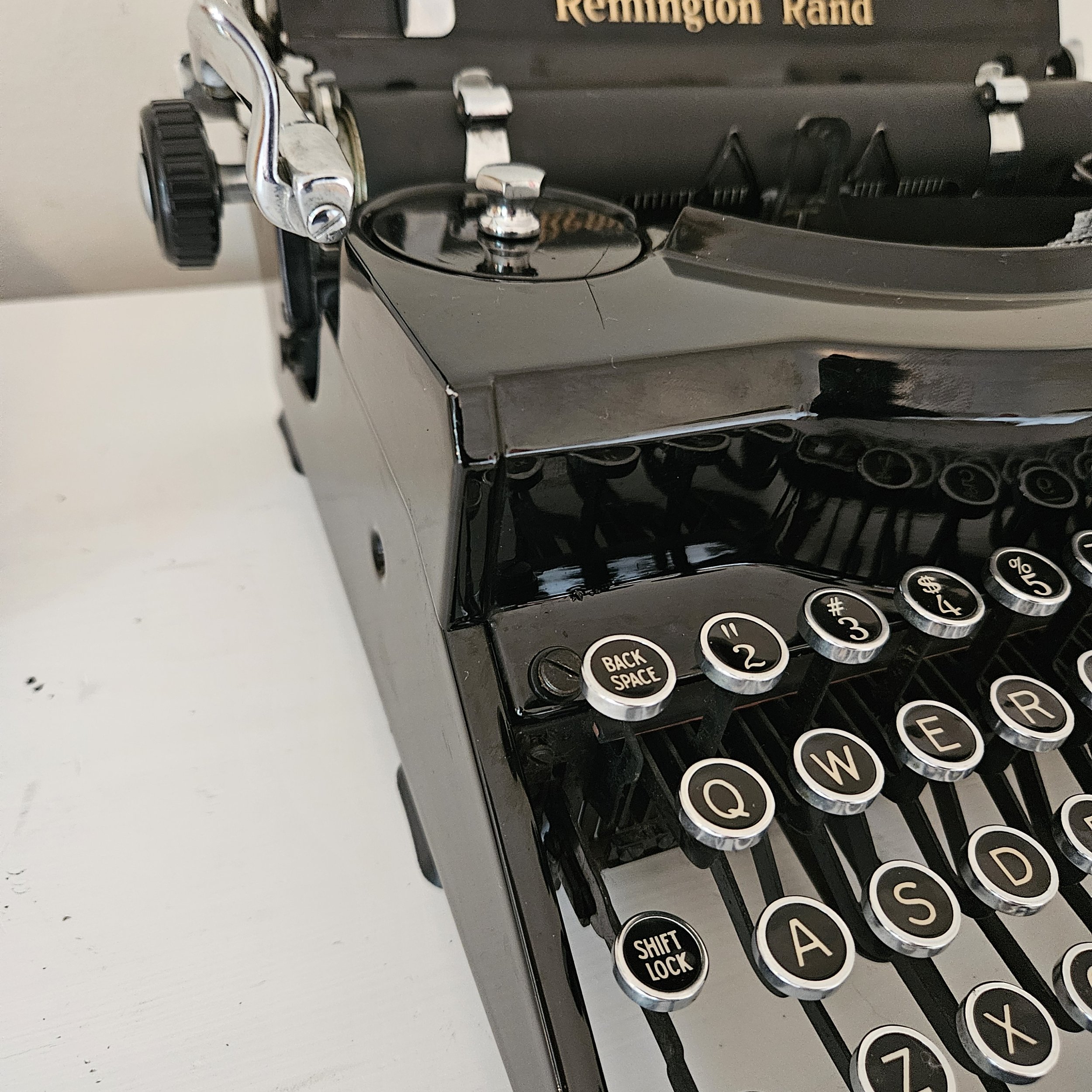
This glass-keyed beauty is sure to tease out the muse. Nickle key rims give a timeless flare.
This Remington portable typewriter is of the highest quality: made in the United States during the golden age. .
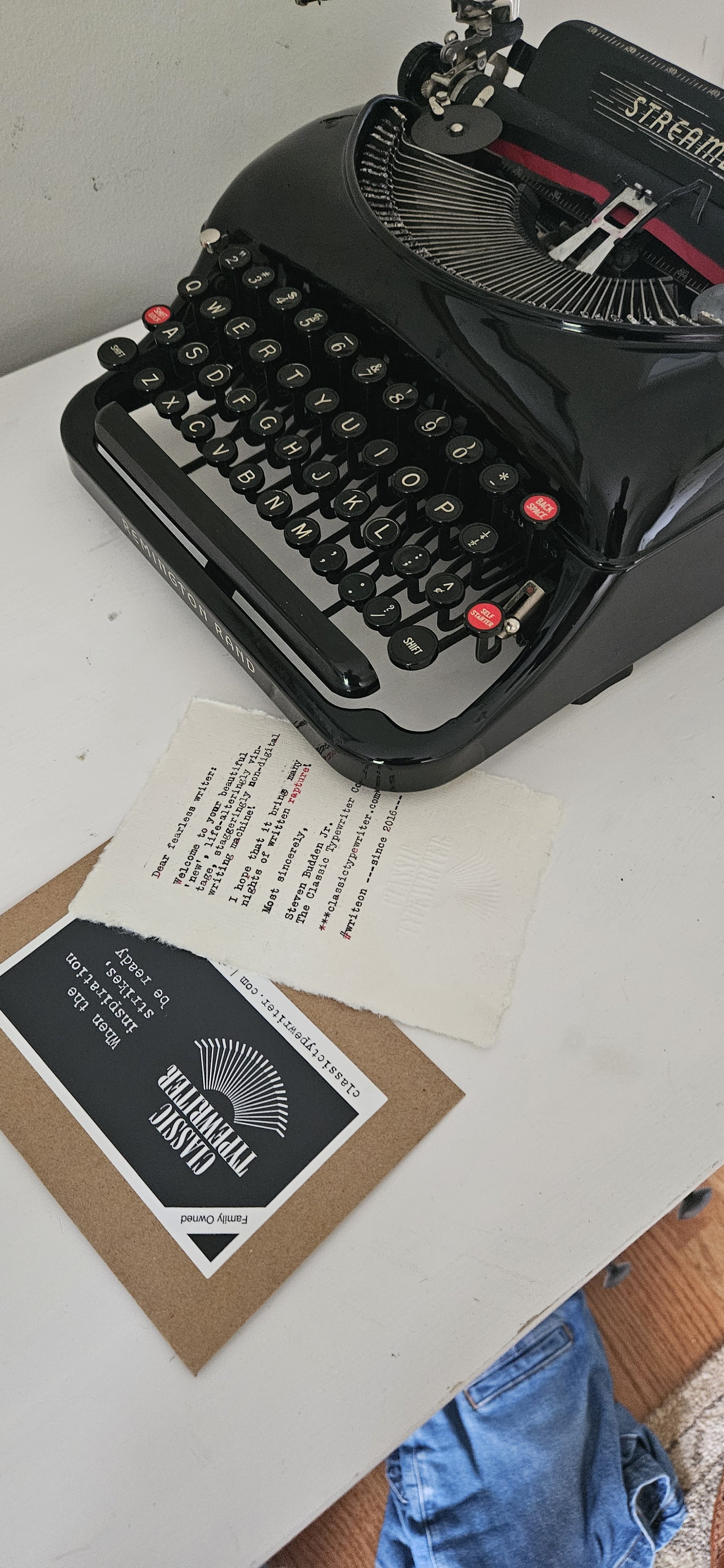
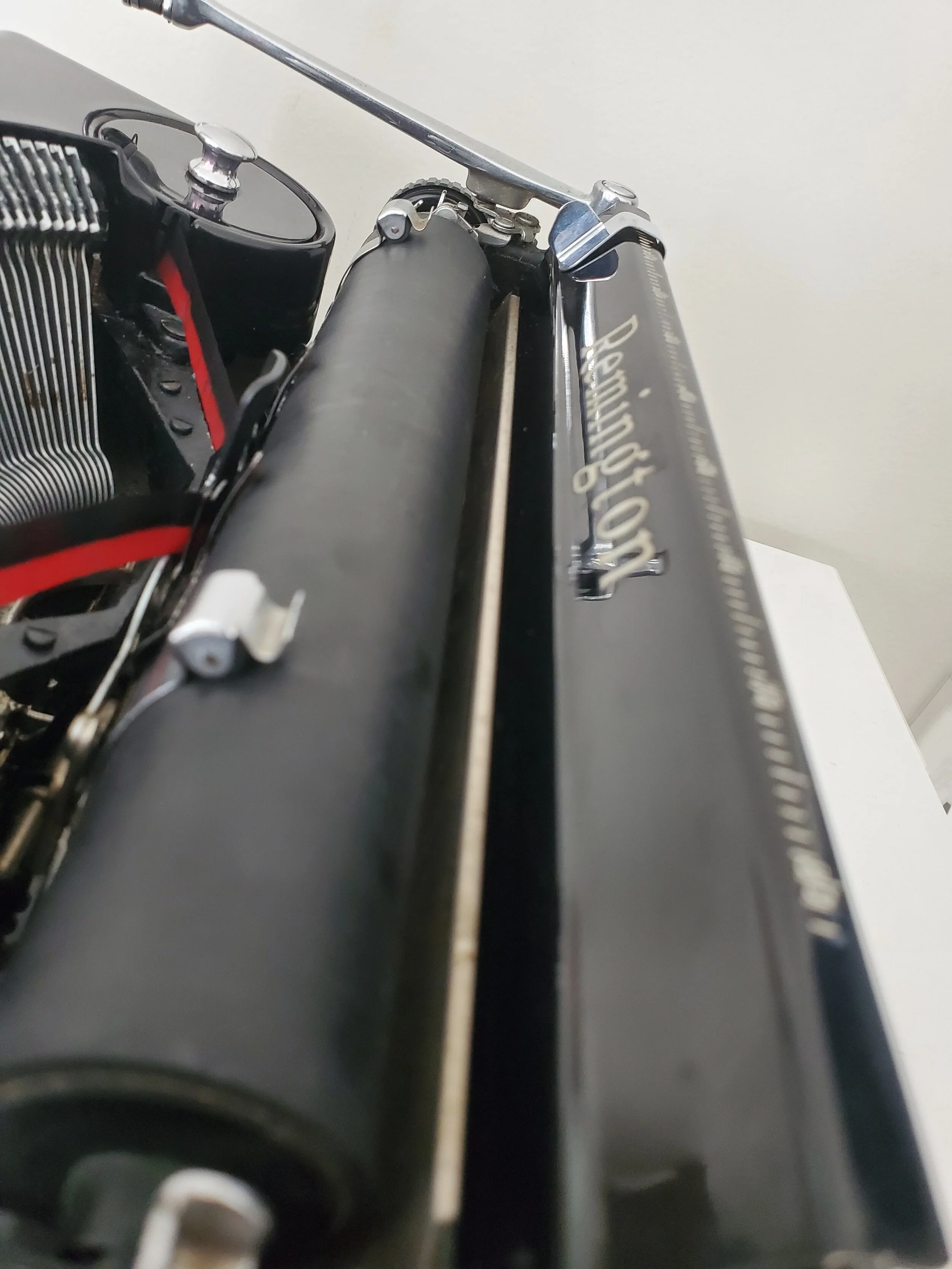
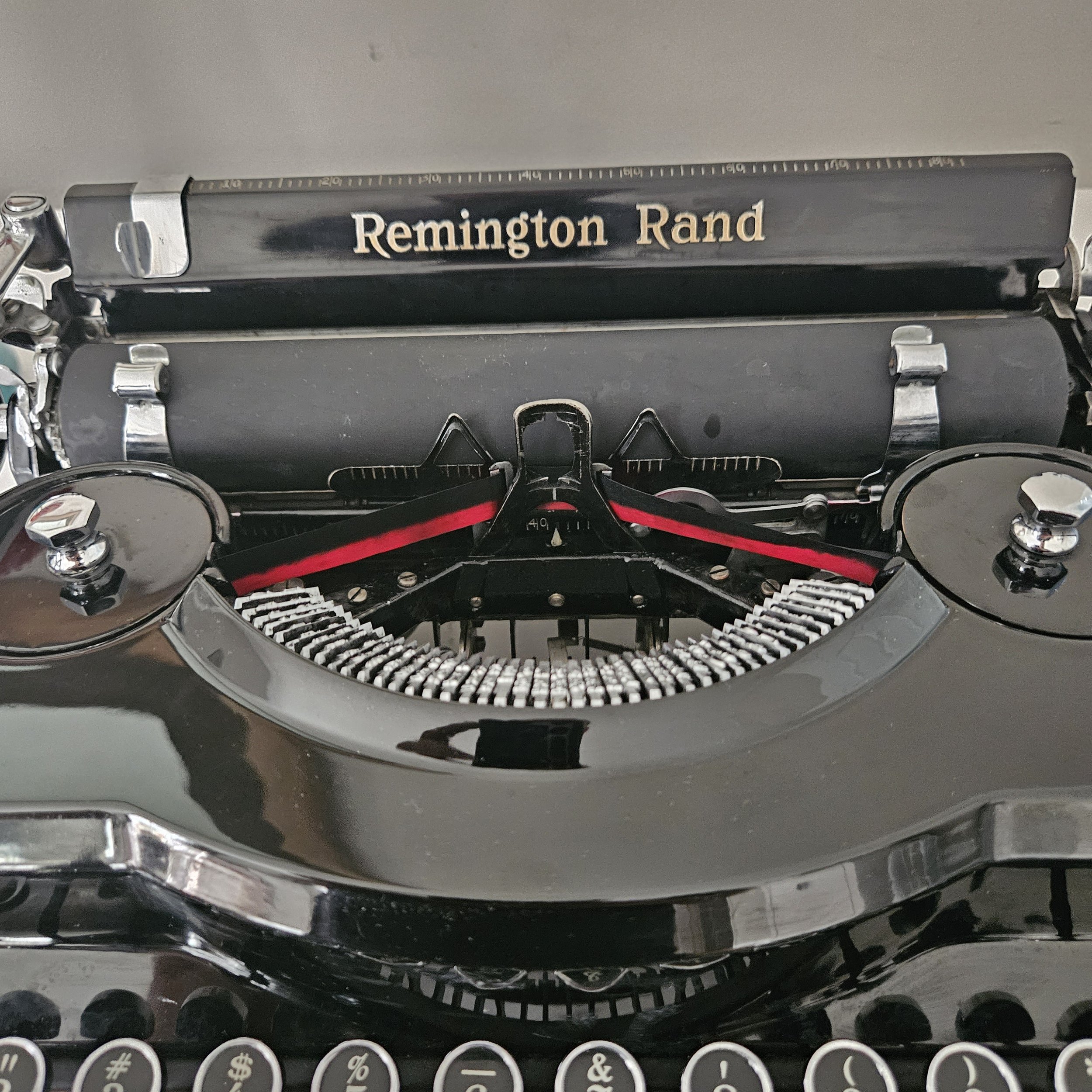
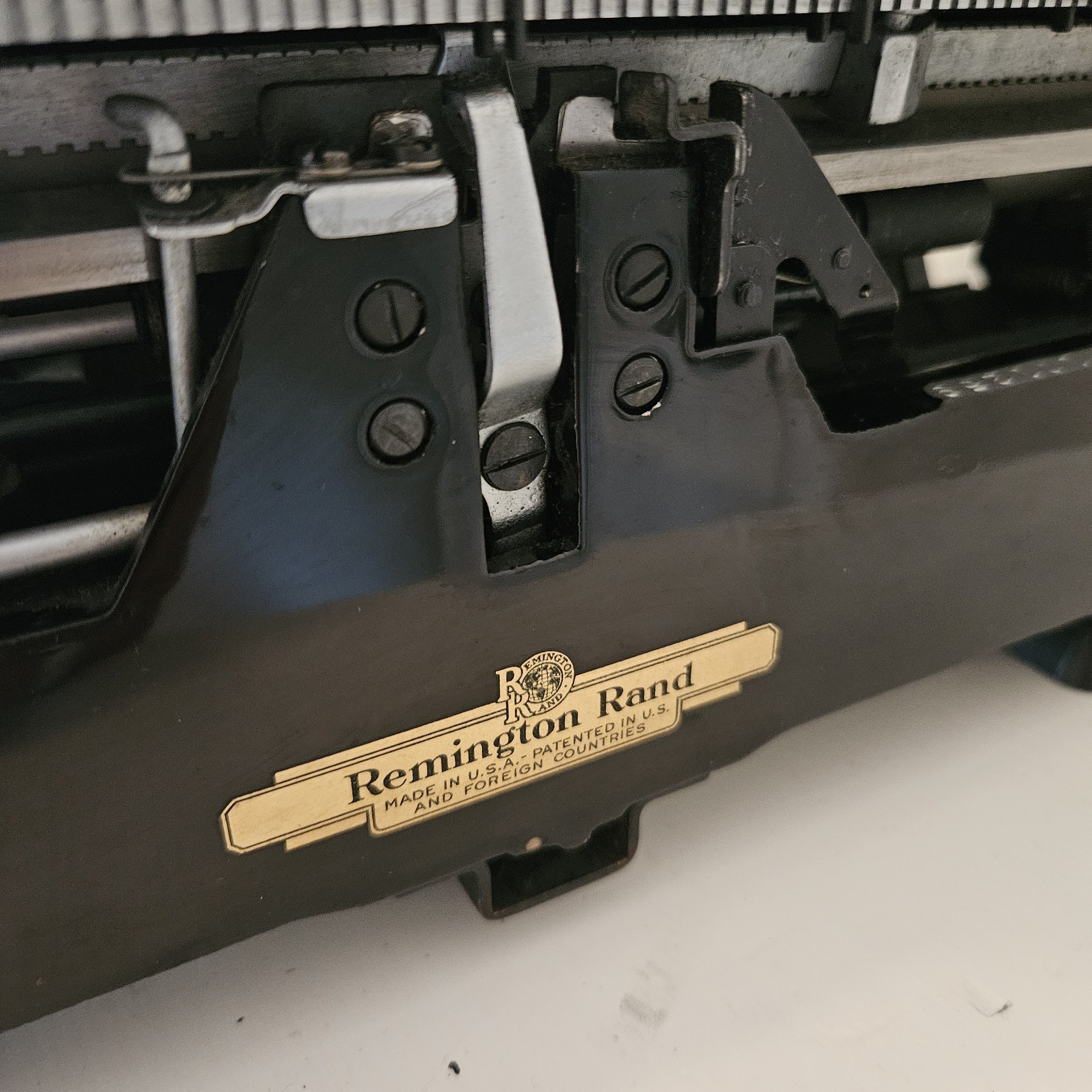
The decals are usually nearly perfect. (The style of the branding may vary slightly). (Better in the BEST Variety)
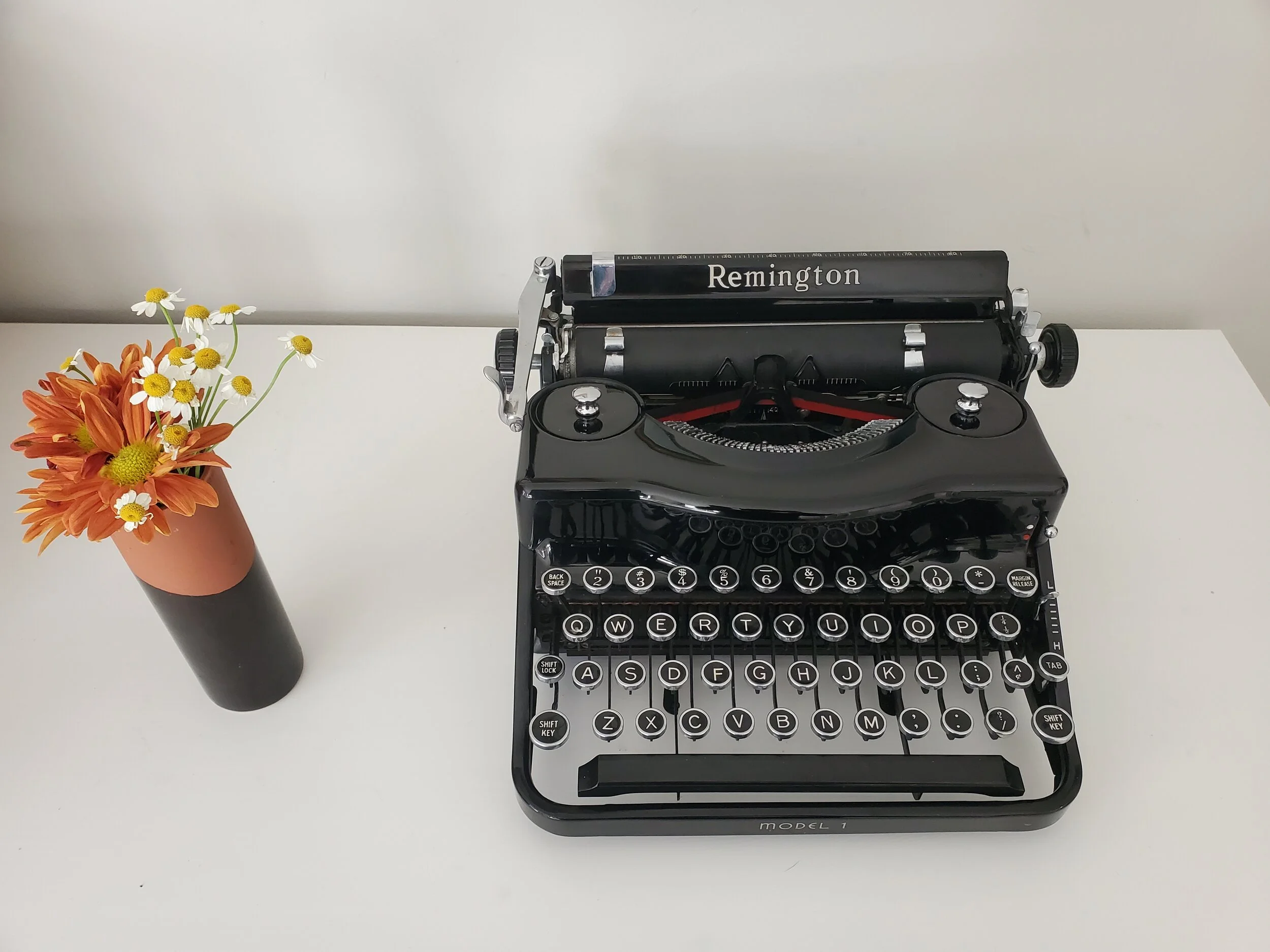
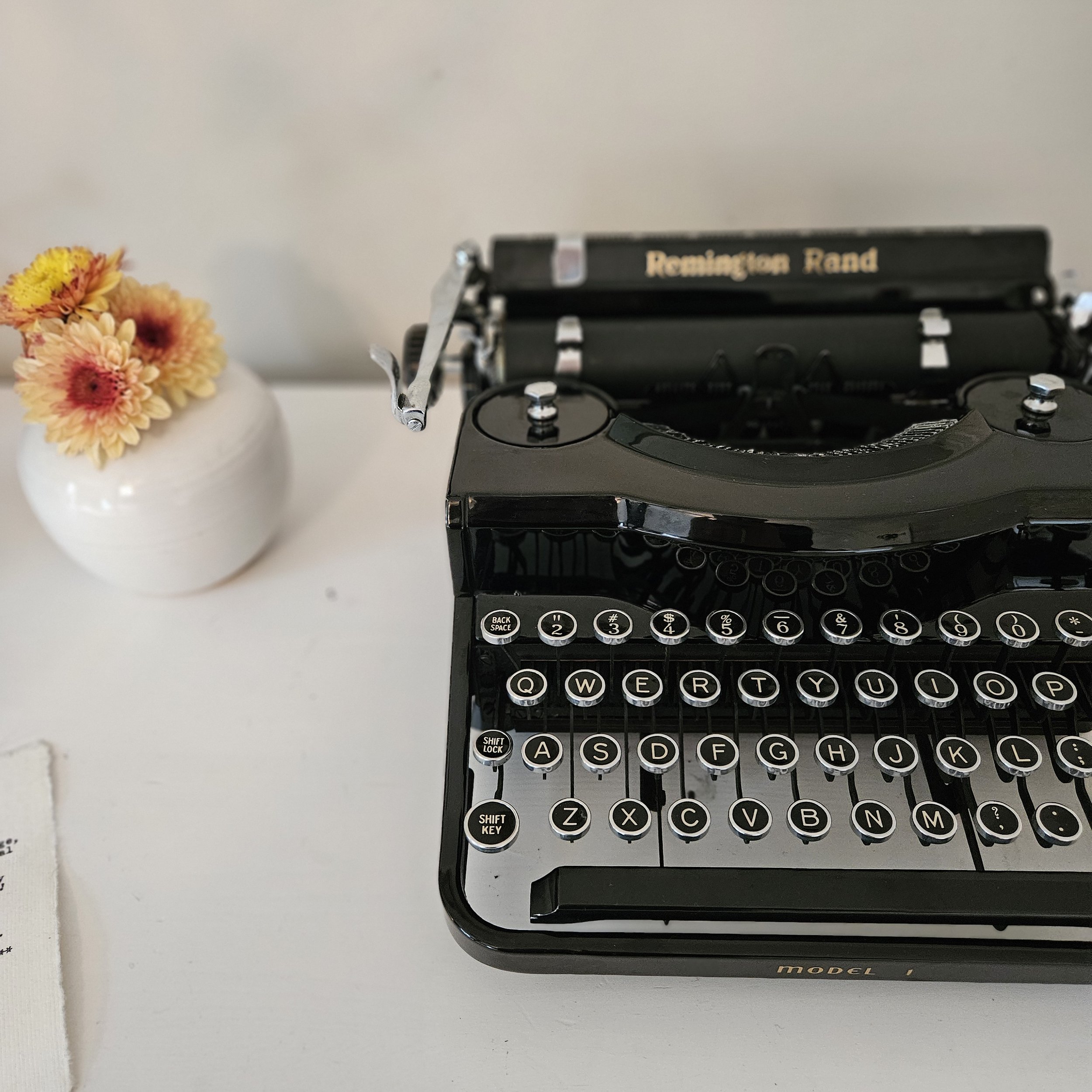
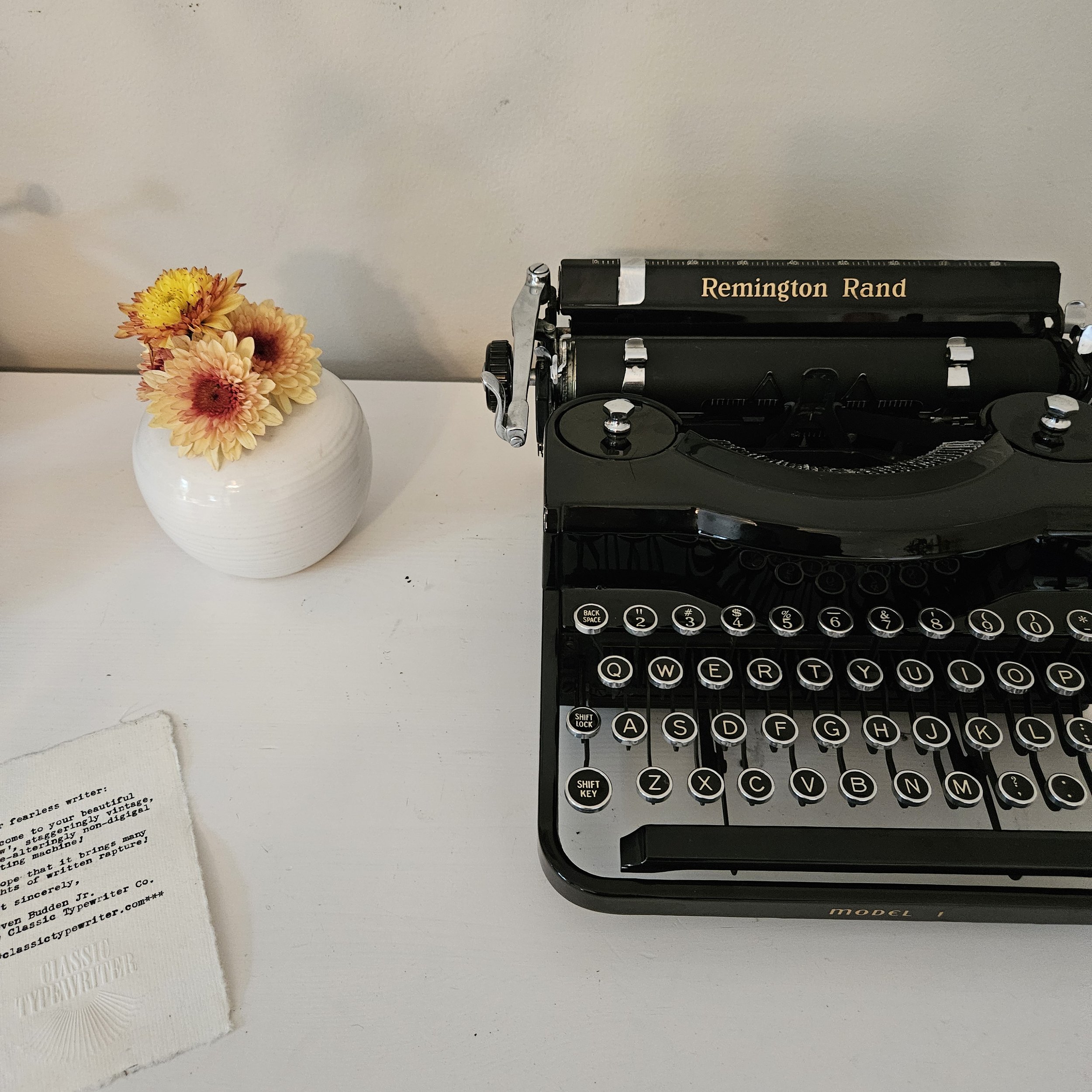
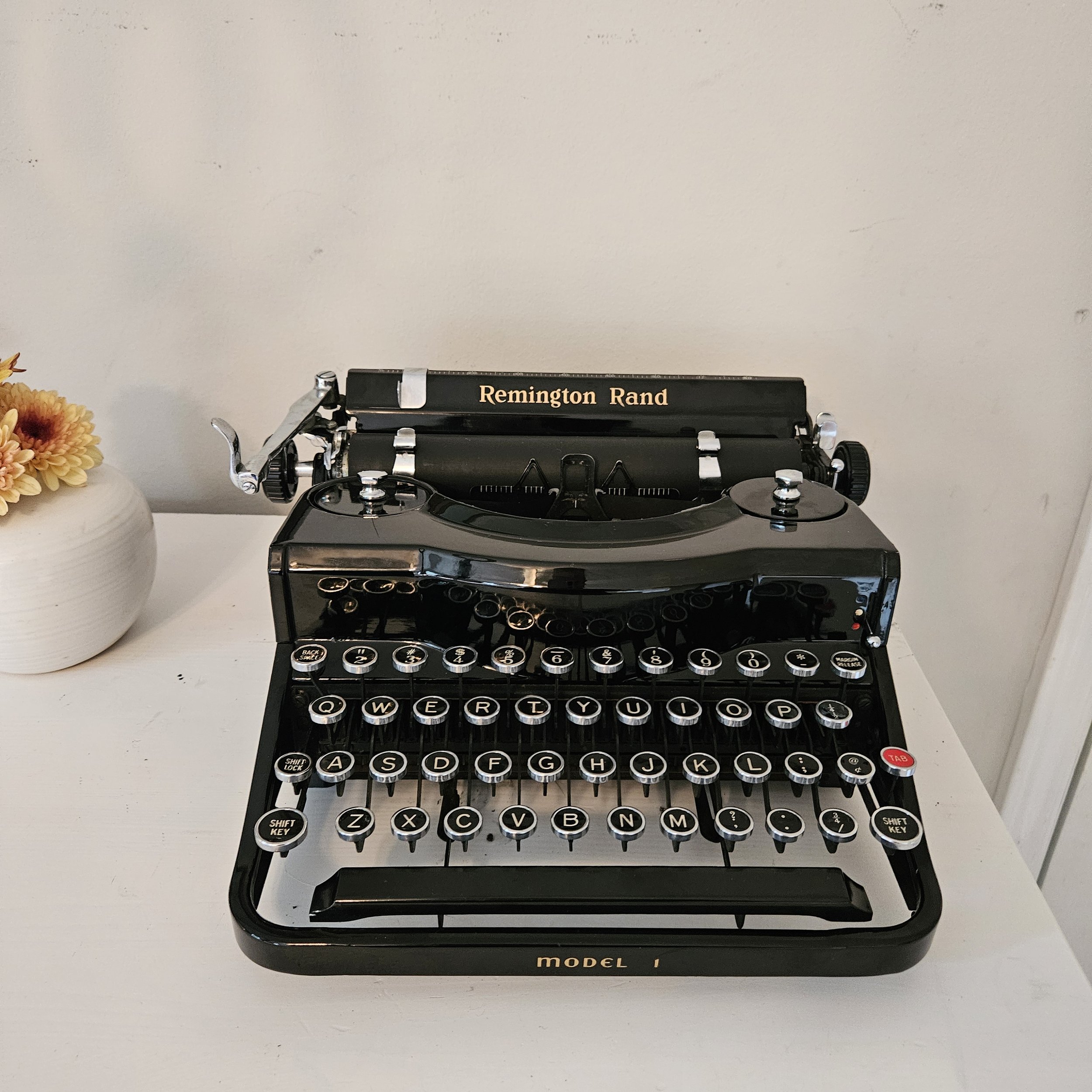
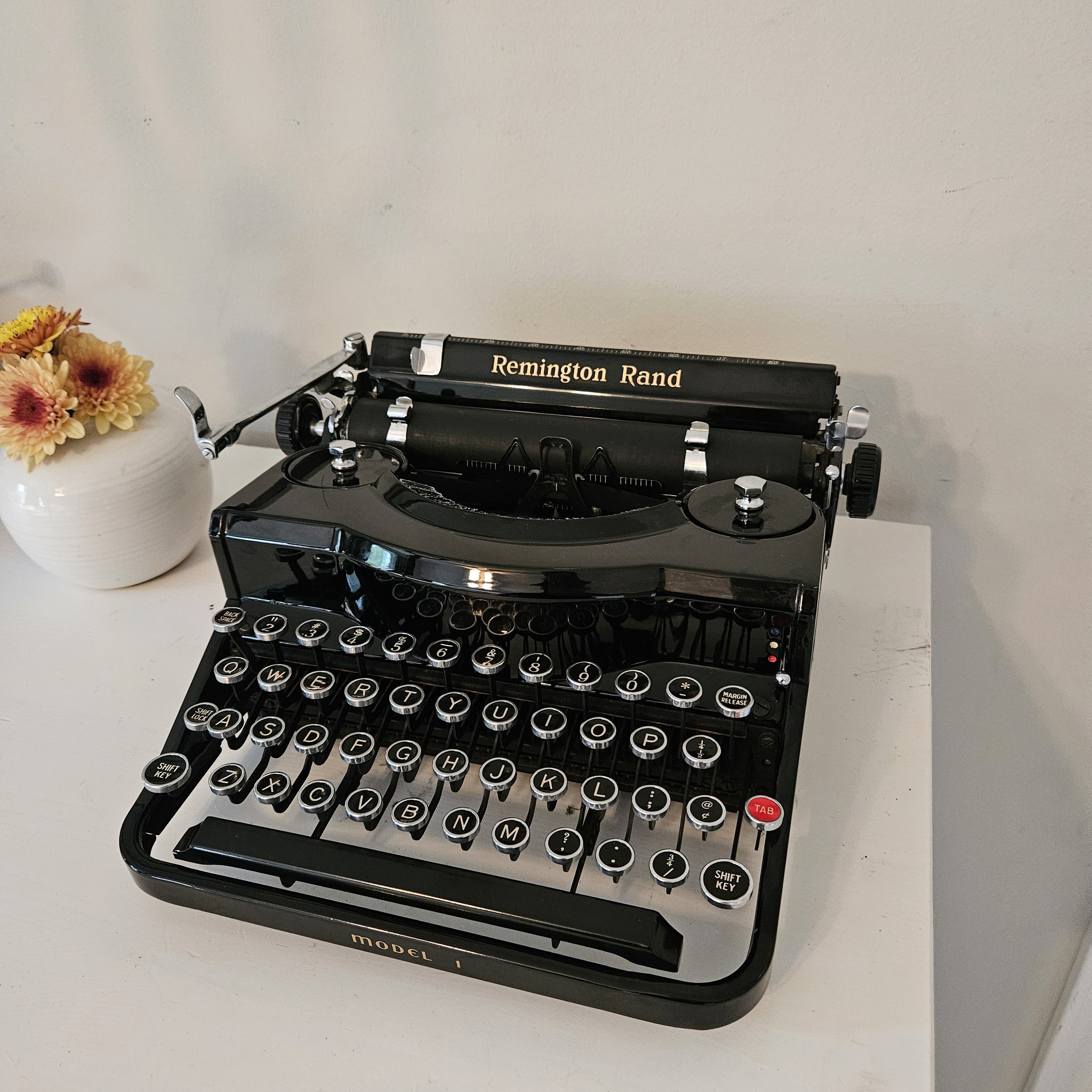
It offers an elegant, classic looking package and very fast typing. The black gloss polishes to a fine sheen. The chrome and the black sing elegantly together.
This is in the US qwerty keyboard.
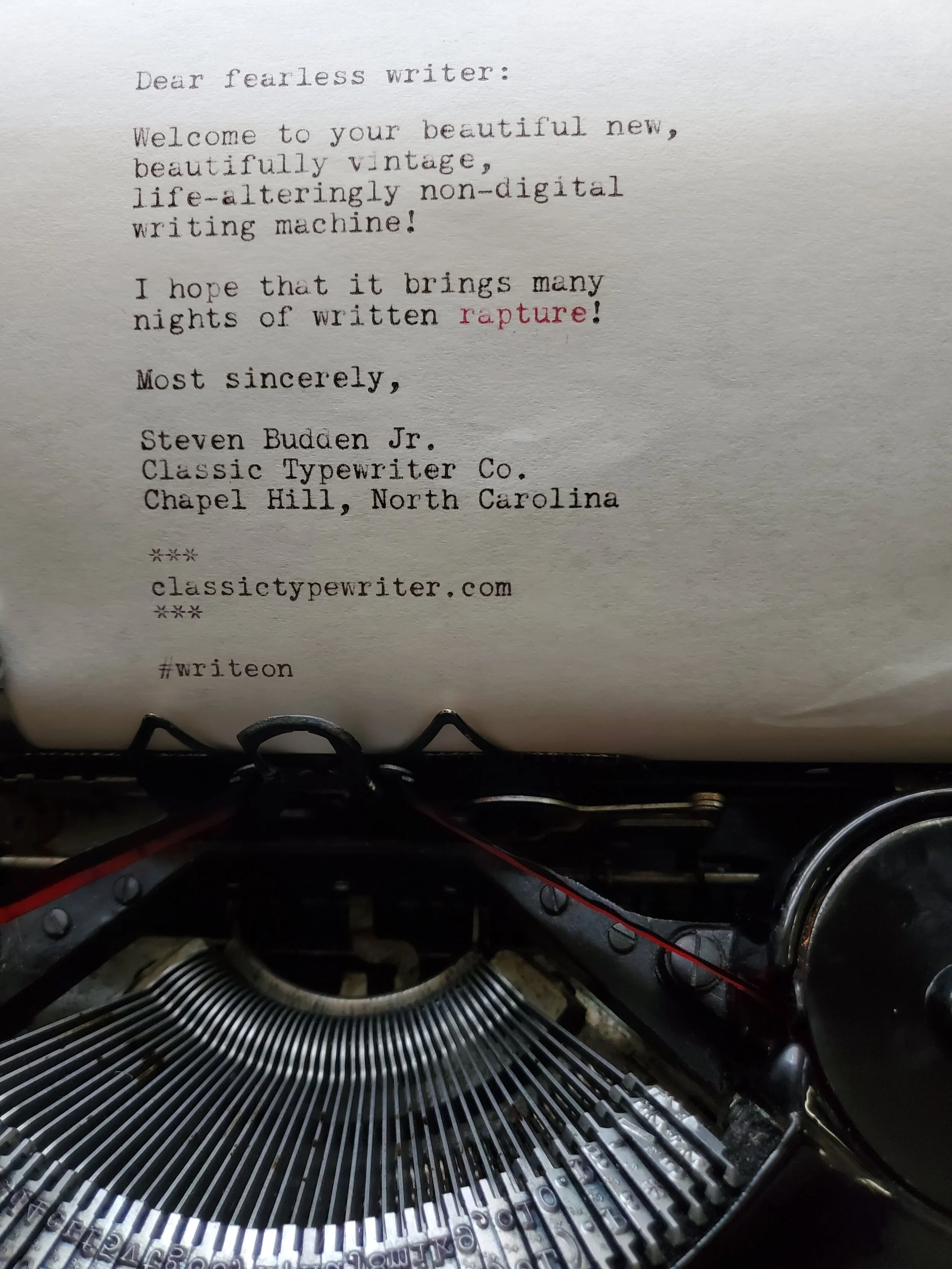
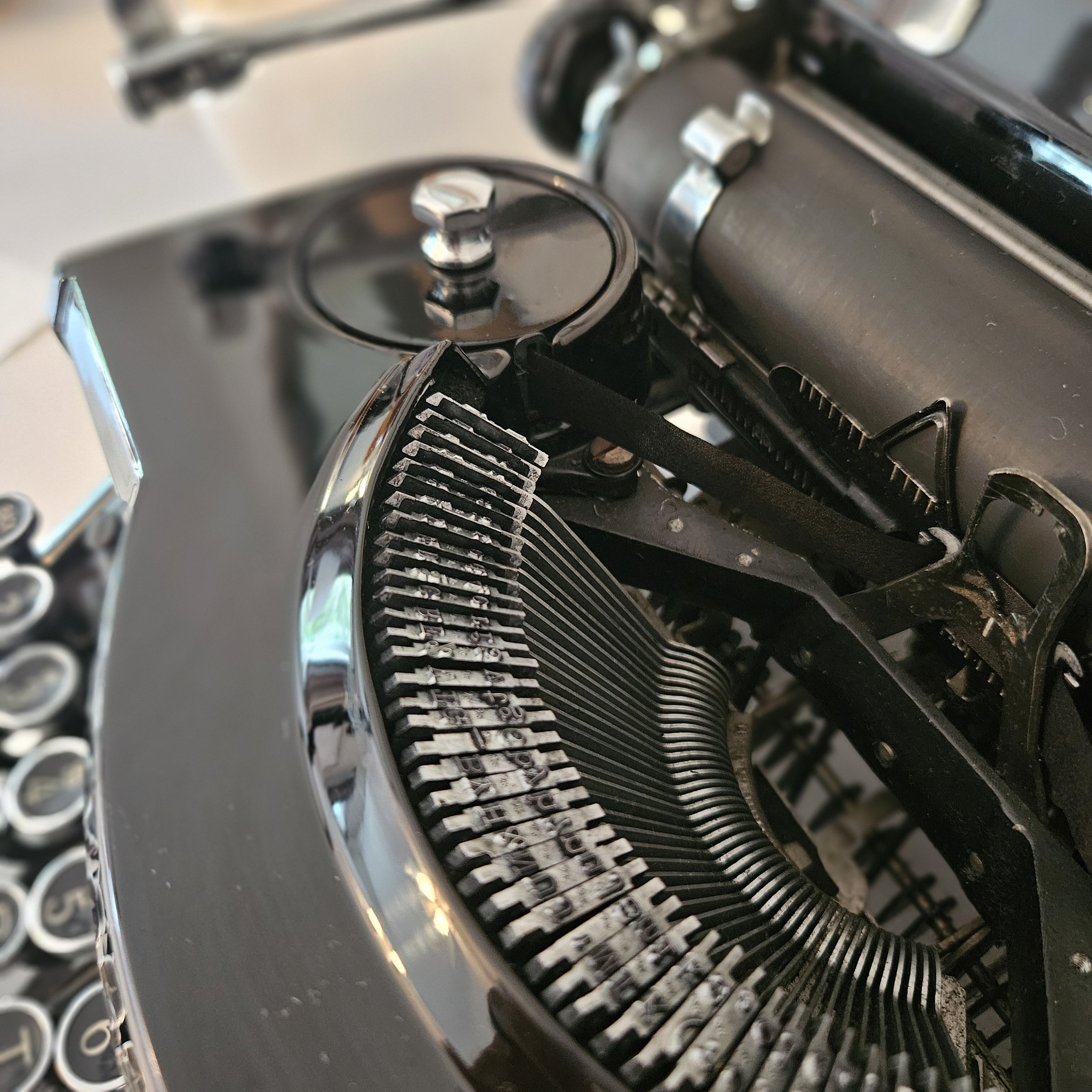
The typeface is usually 12 characters per inch (10 point font). Sometimes 10 Character per inch (12 point font).
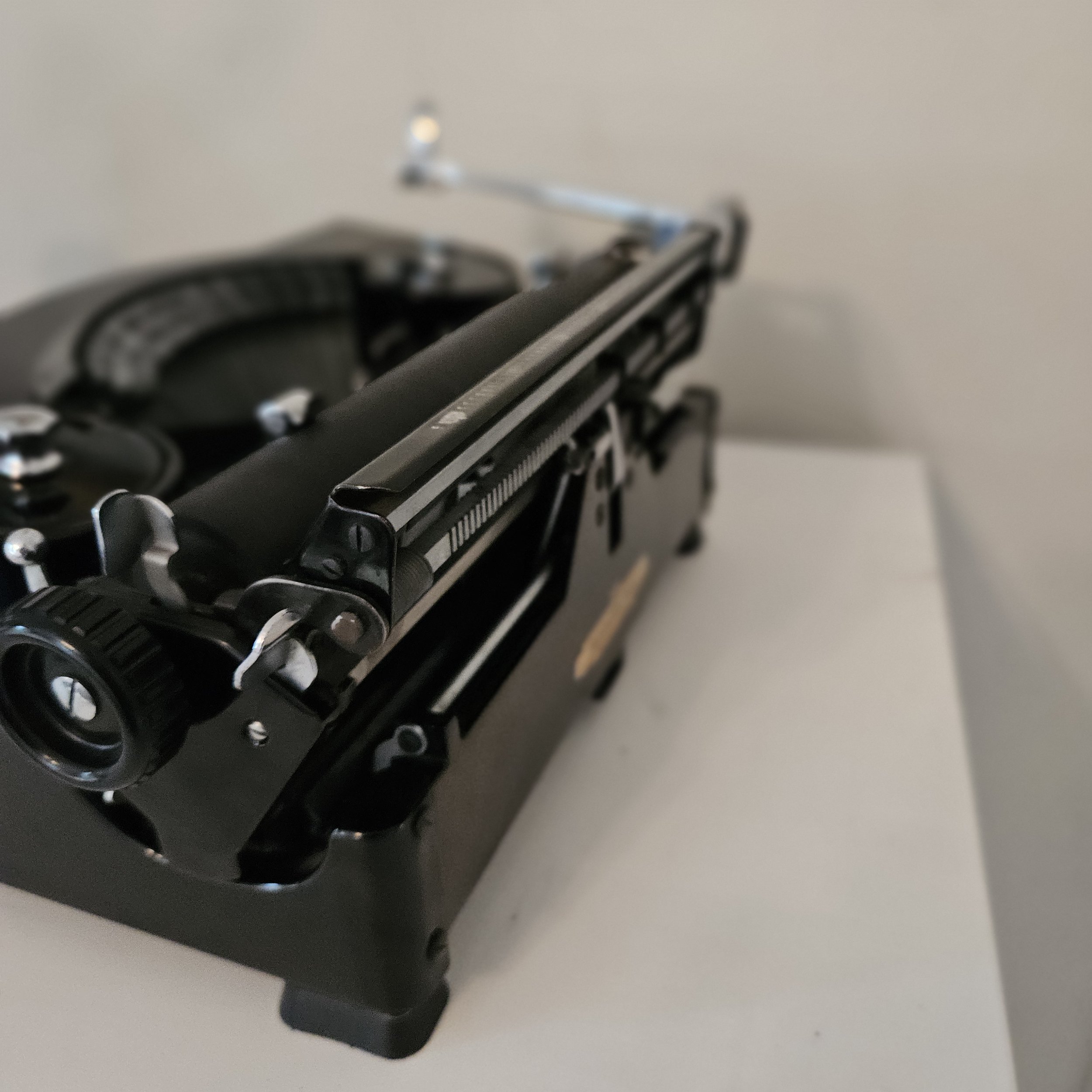
These are all ‘angled’; there is a ‘softer edge’ one and a ‘harder edge’ one. The pictures will tell the tale.
Sometimes there is a red accent key, and sometimes all of the keys are black.
Features:
Single and double line spacing.
Tabulator function
Carriage shift
Beautiful glass-style keys
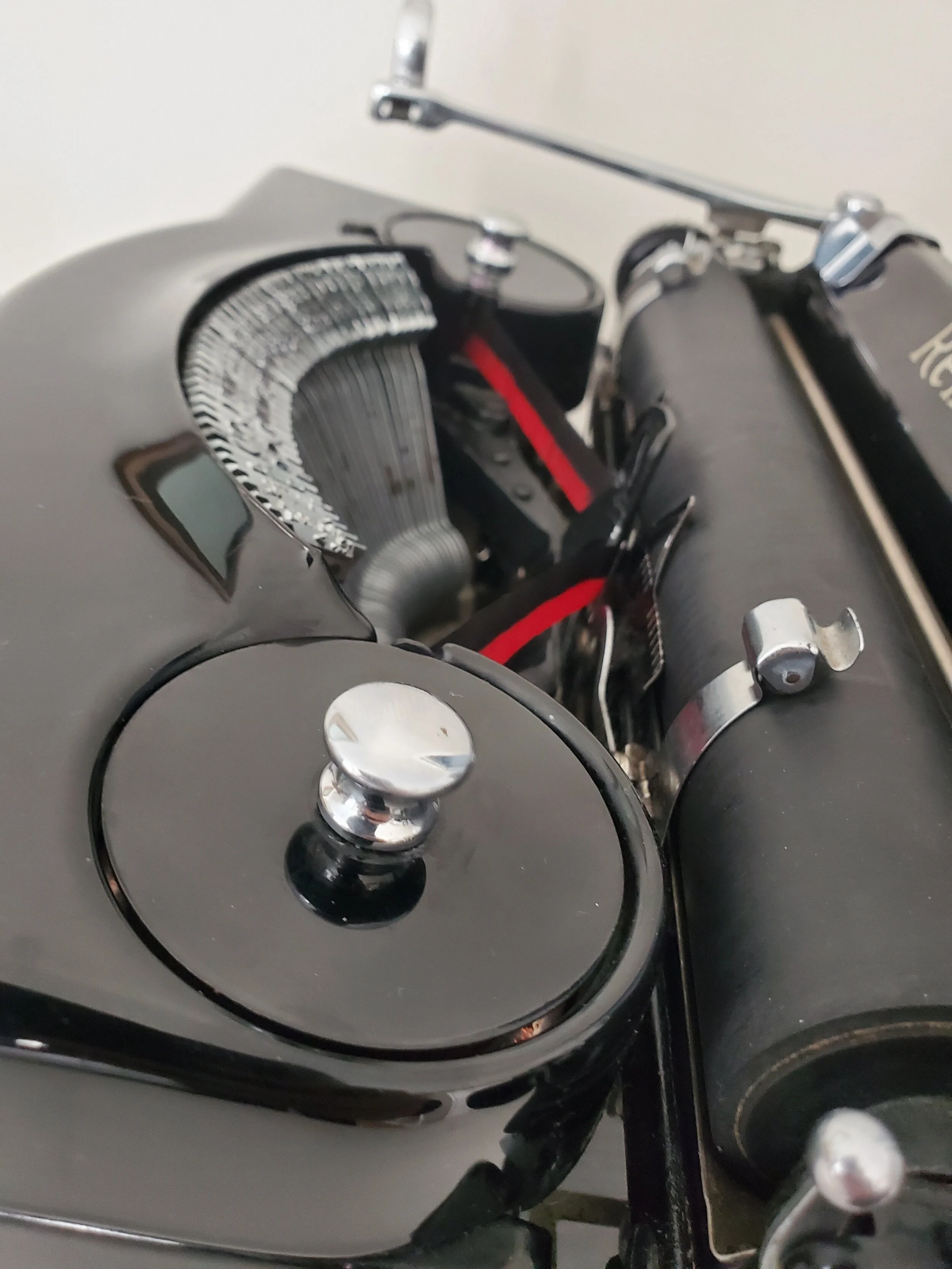
Auto ribbon reversal
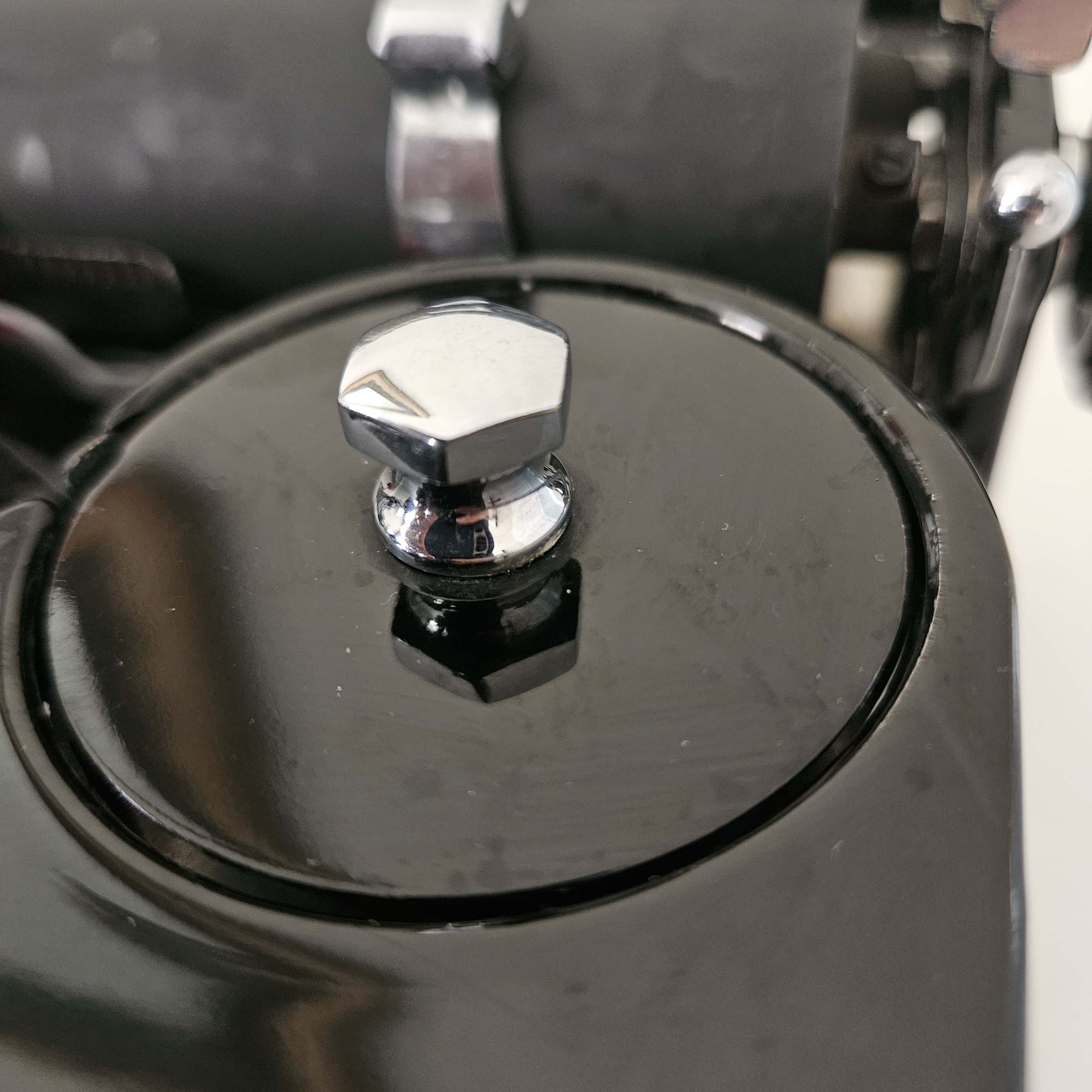
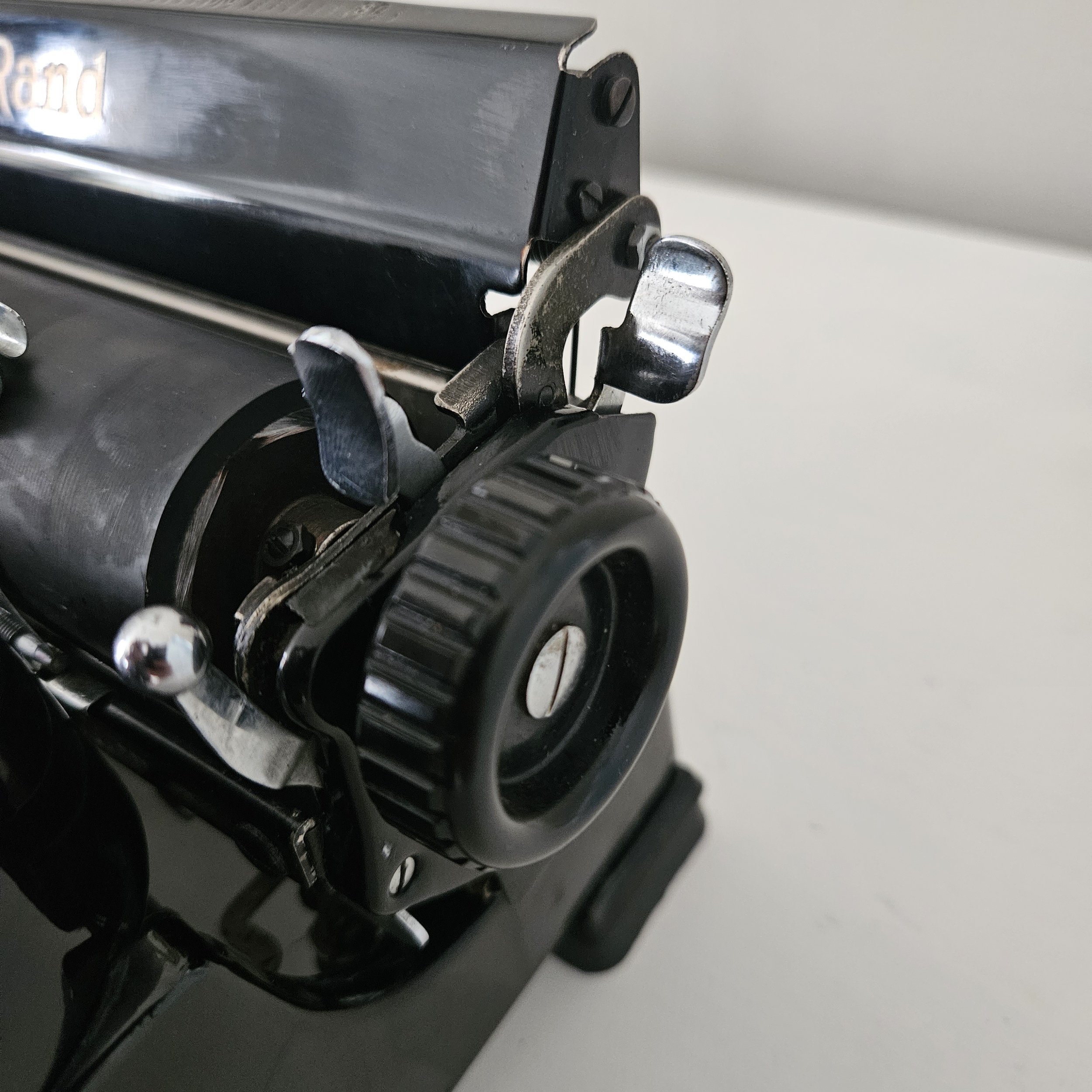
Ribbon spool covers
Upgraded cloth ribbon (gives a better impression on these.
Includes:
Our Classic Typewriter working guarantee.
Our lifetime traded in policy.
New feet, platen, and feed rollers.
A digital copy of the manual
Comprehensive video tutorial
Original case.
A fresh ribbon install.
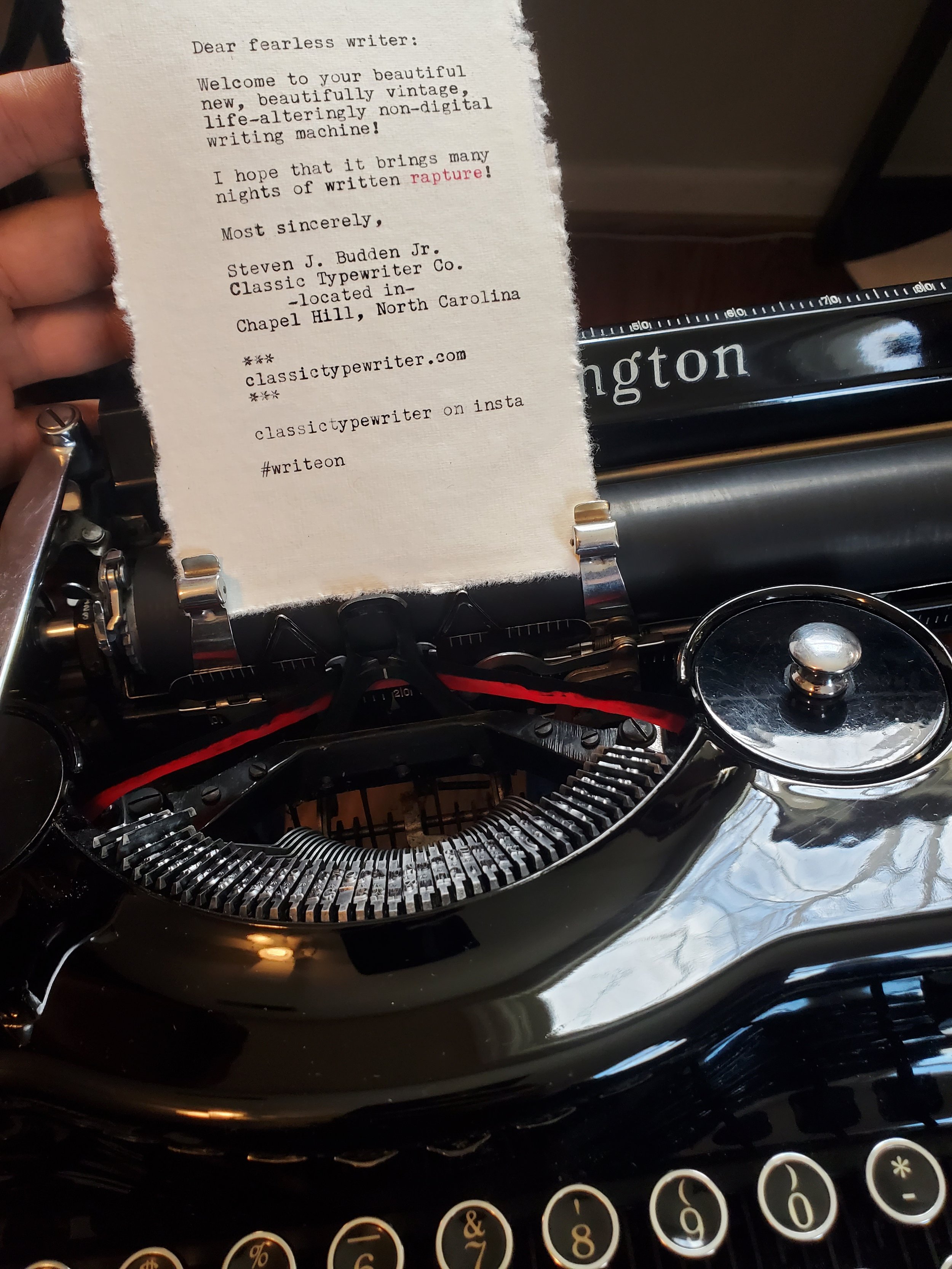
Like all of our machines, this one comes Ready to write!
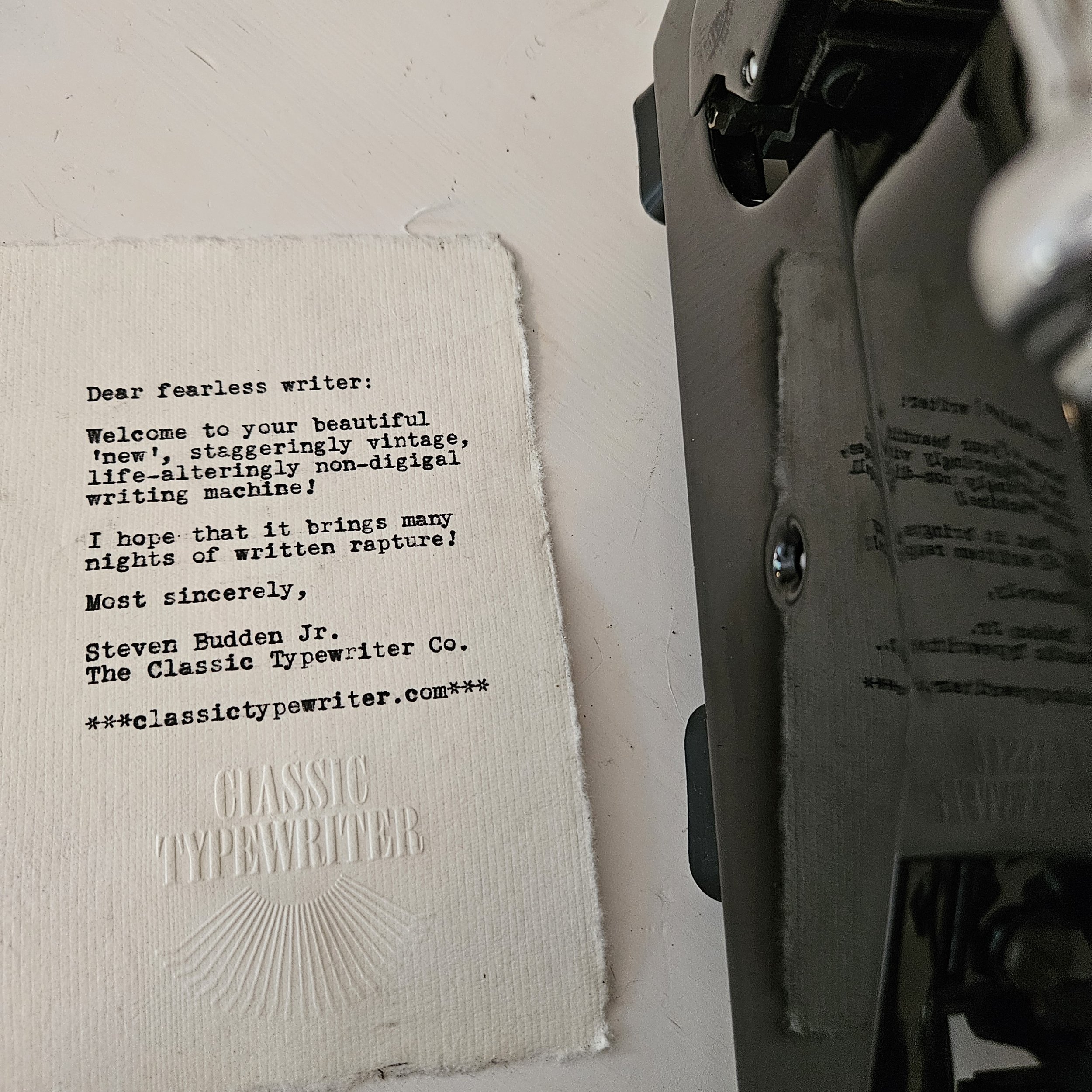
If you have questions please don’t hesitate to ask! I want you writing, Screenless!
Most sincerely,
Steven Budden Jr.
Classic Typewriter Co.
Chapel Hill, North Carolina
RESOURCES
WHAT SETS US APART
Our Promise | Warranty | Working Guarantee | Lifetime Tradein Policy
***
PS. More.. in case you care…
More History of the Noiseless Typewriter
The Noiseless typewriter began to take shape in 1905 when Wellington Parker Kidder in Boston and Charles William Sponsel in Hartford, Connecticut, began a two-year, eight-patent collaboration to produce a "silent typewriter"—one which would operate "substantially without noise."
Kidder was already a legend in the typewriter world, having invented the Franklin (1891) and the influential Wellington, whose design was copied by manufacturers worldwide. Engineer George Gould Going was another key collaborator whose name appears on several original patents.
The Noiseless Typewriter Company was incorporated in January 1909, with a 168,000-square-foot factory in Middletown, Connecticut. Production began slowly, and the first commercial model—the Noiseless Model 4—went into full production in 1917. The Noiseless Portable followed in 1921, marketed as "Your Junior Partner." By 1922, demand forced the company to expand its workforce from 300 to 500 employees.
Success attracted attention. In March 1924, Remington merged with Noiseless to form Remington-Noiseless, a subsidiary of the Remington Typewriter Company. Kidder passed away just six months later. George Gould Going continued at Remington, receiving accolades for his contributions to noiseless typewriter development.
Remington also produced Noiseless typewriters under license for Underwood beginning in 1929—the machines were virtually identical except for the labeling. Noiseless portables sold well through the 1930s and 1940s, and noiseless standards continued to be manufactured until the 1960s.