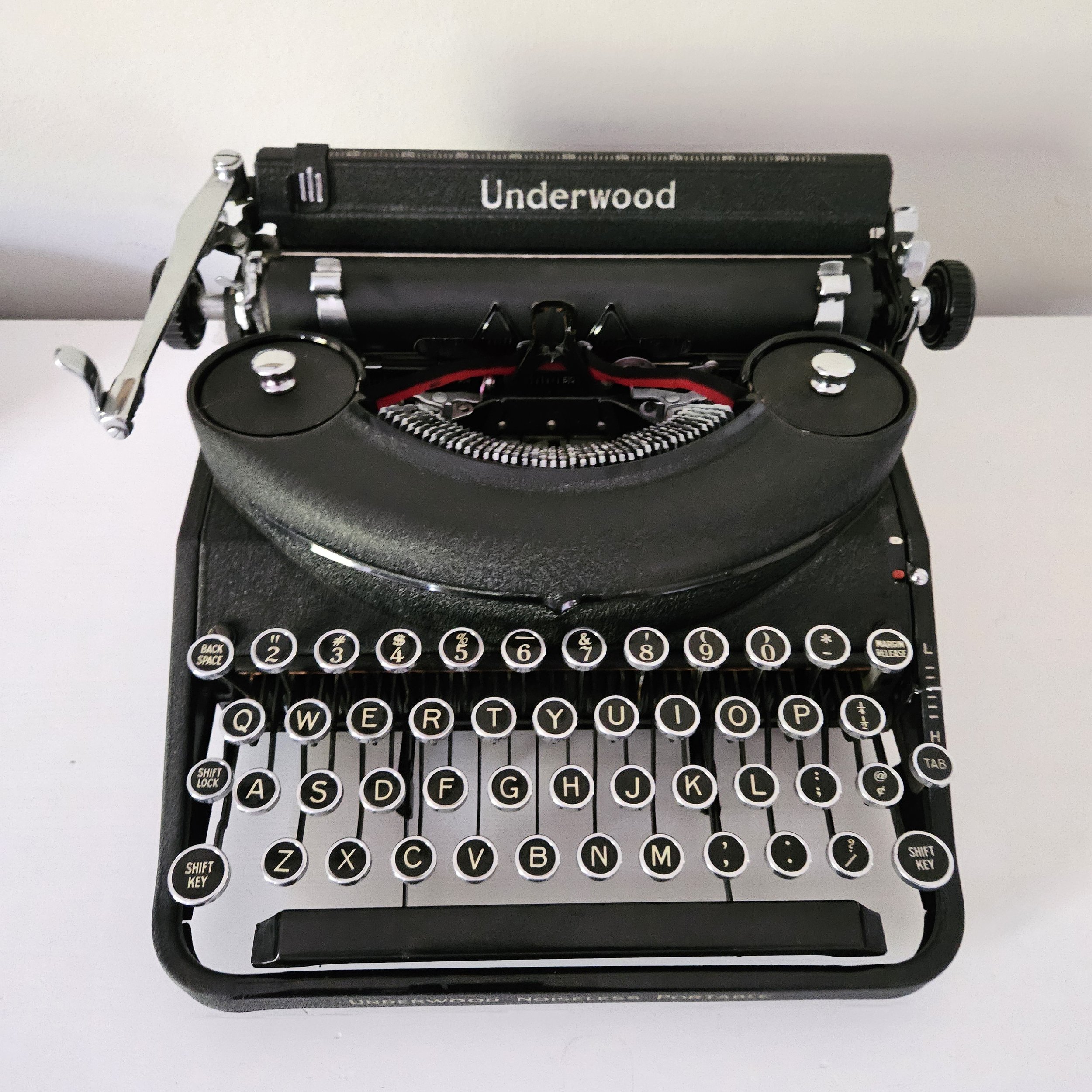
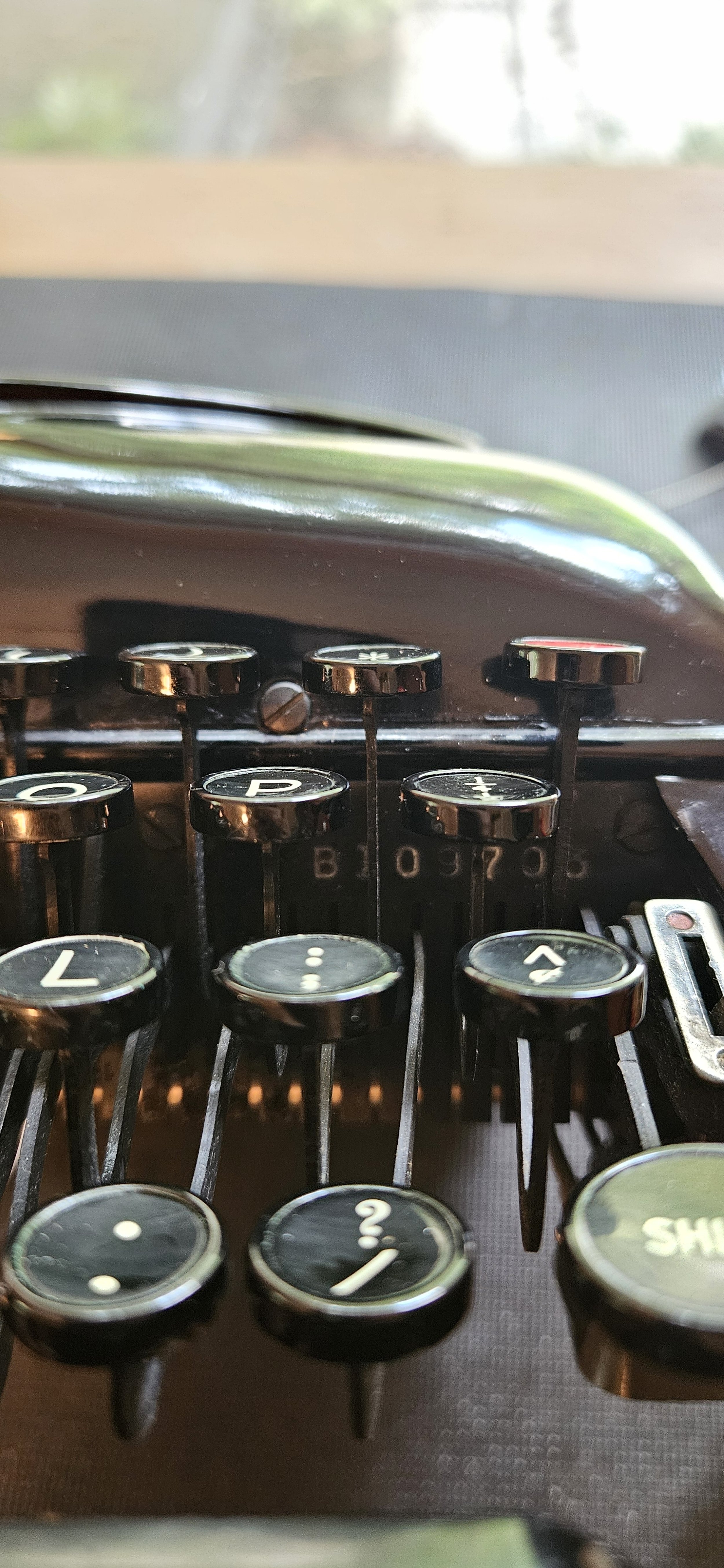
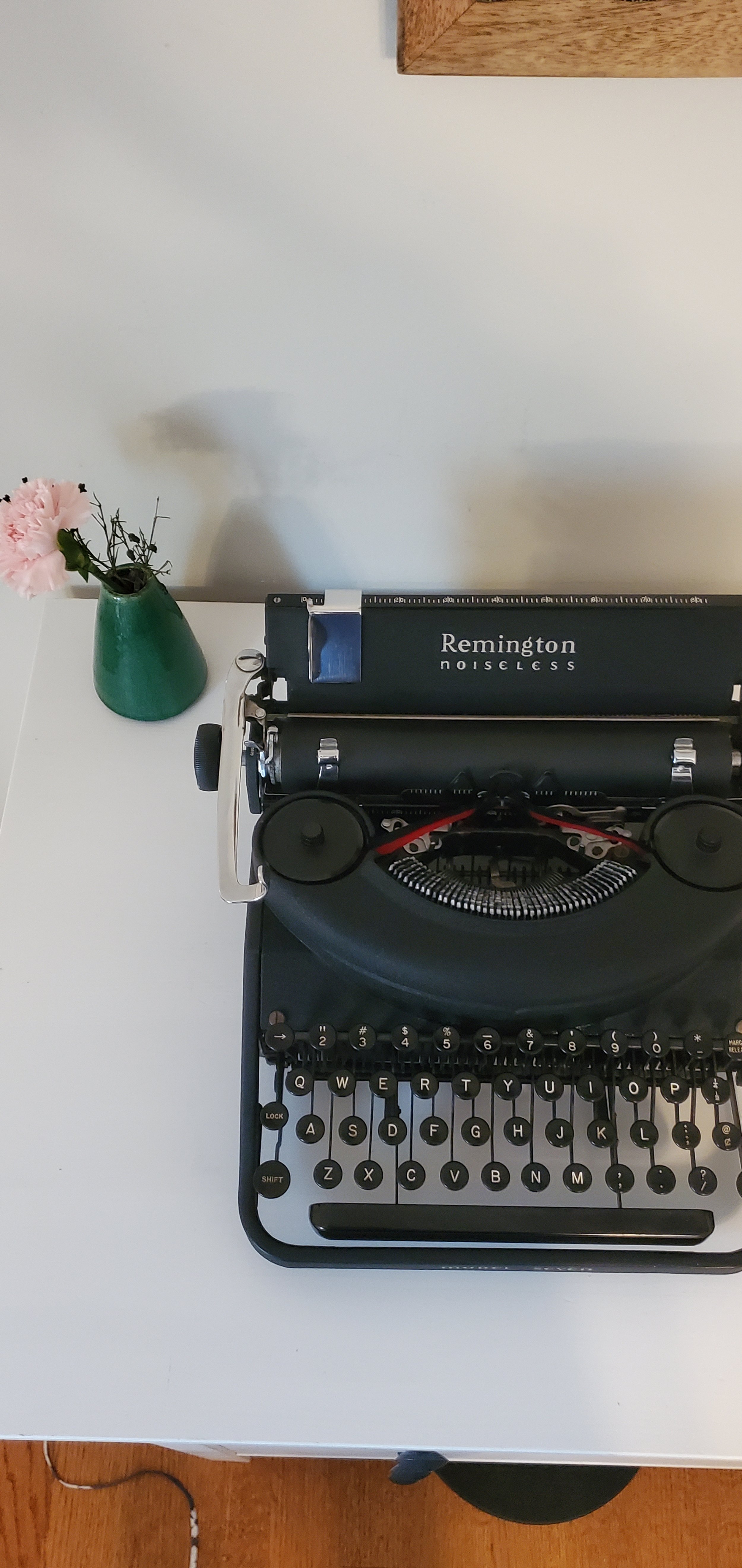
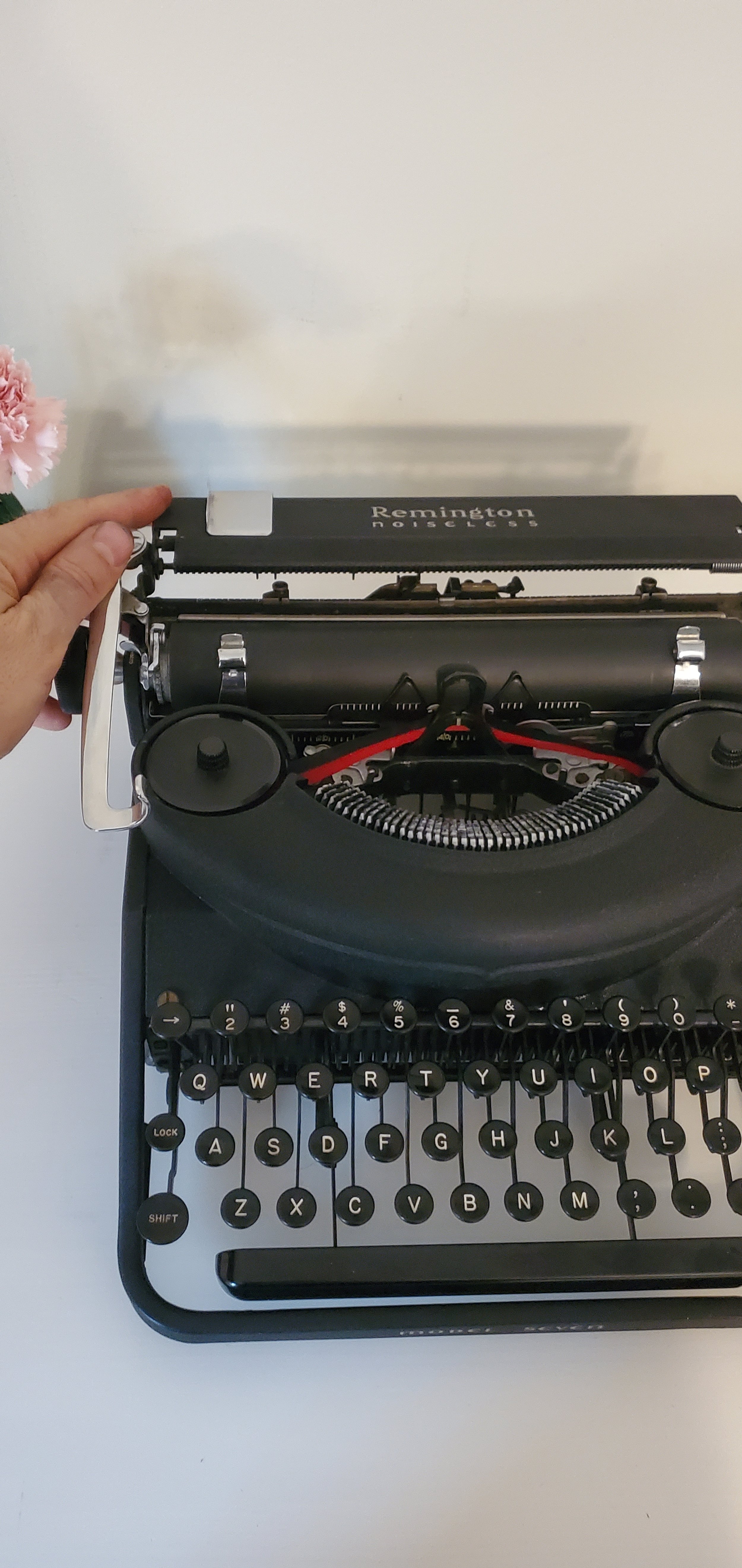
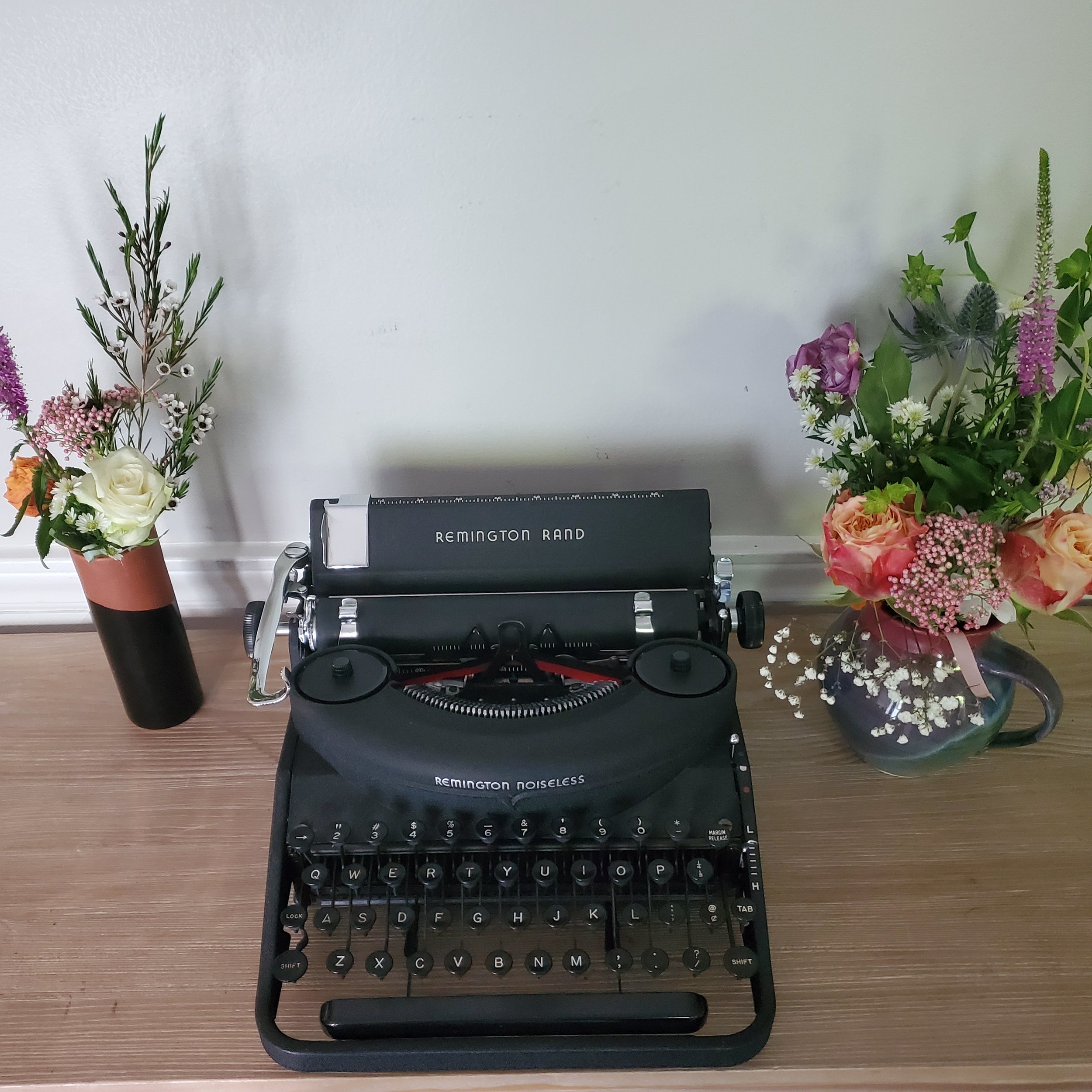
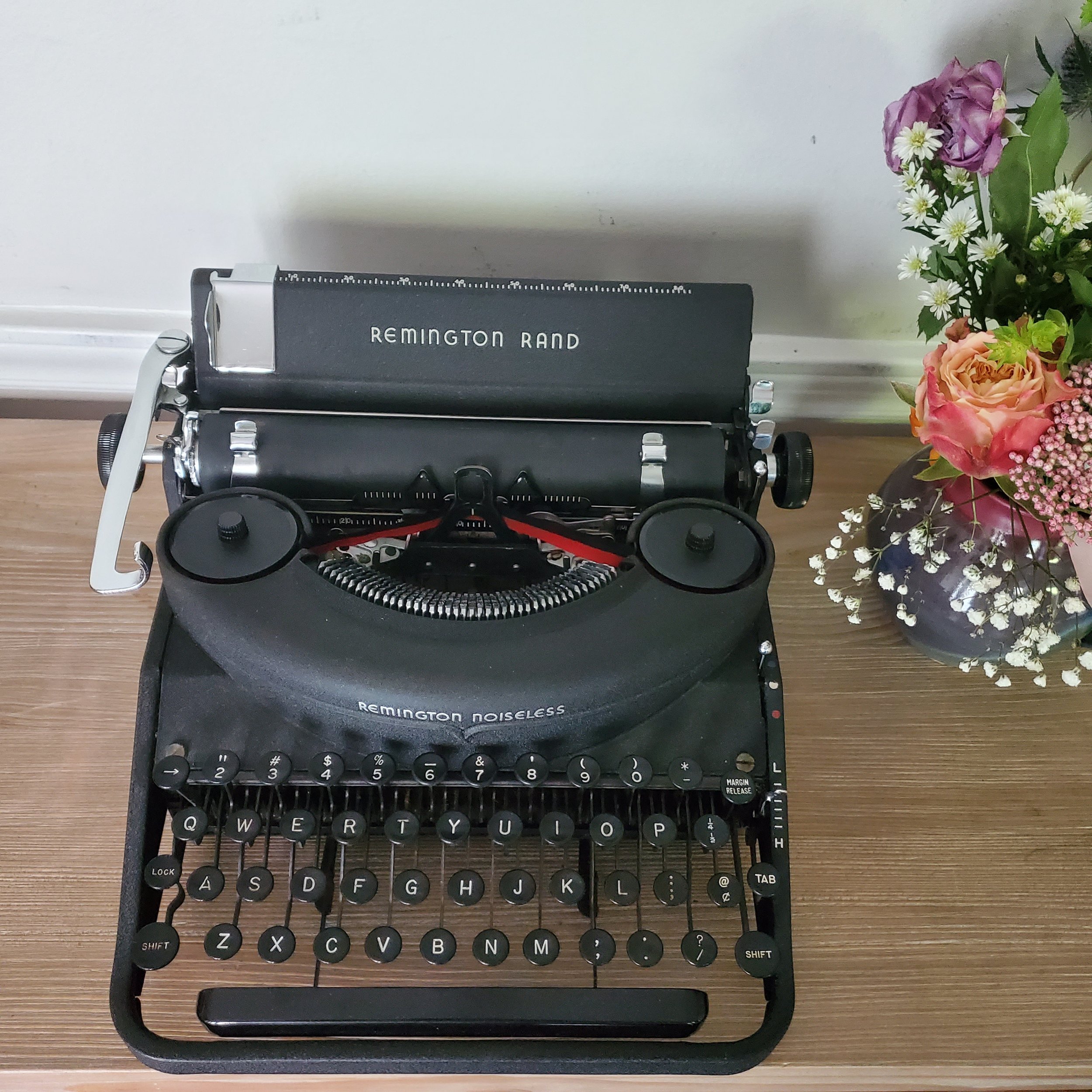
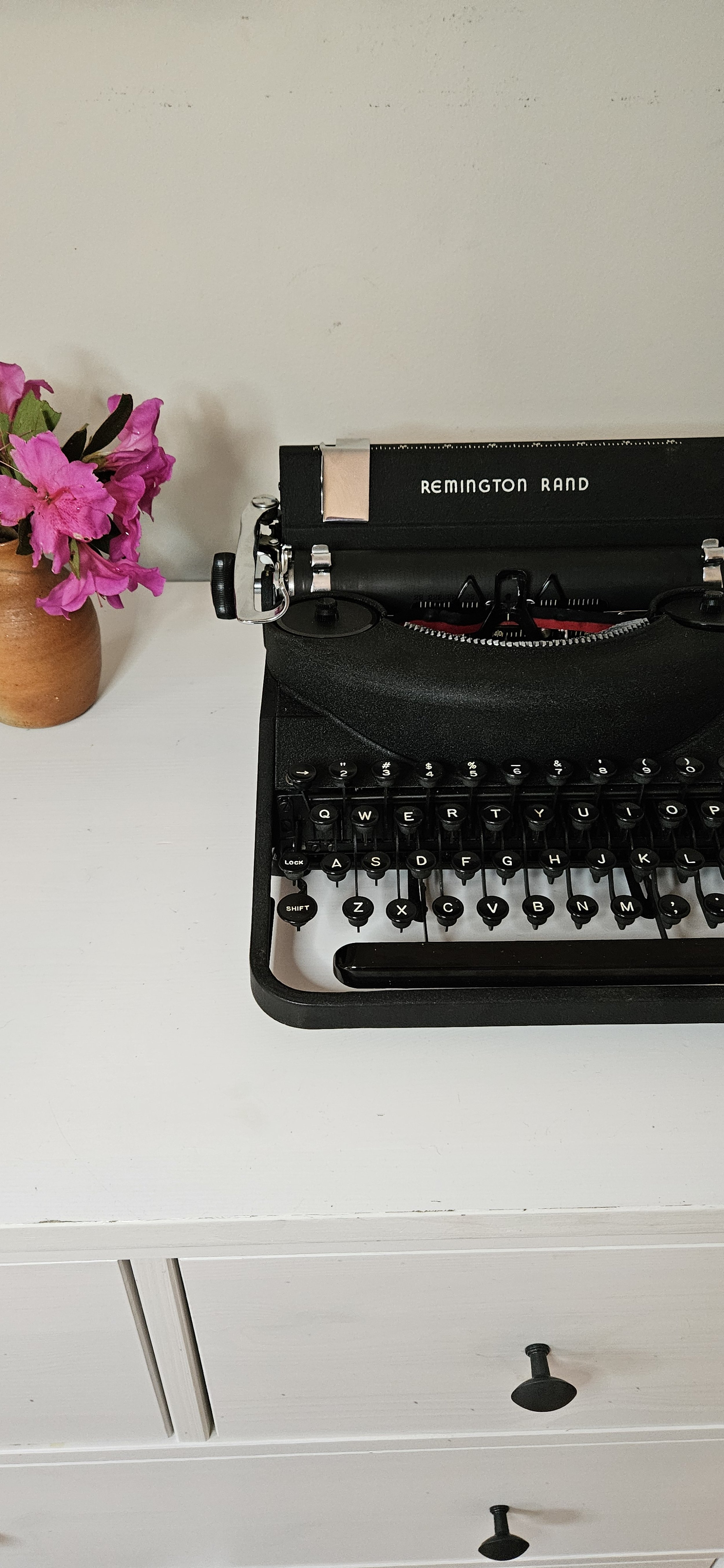
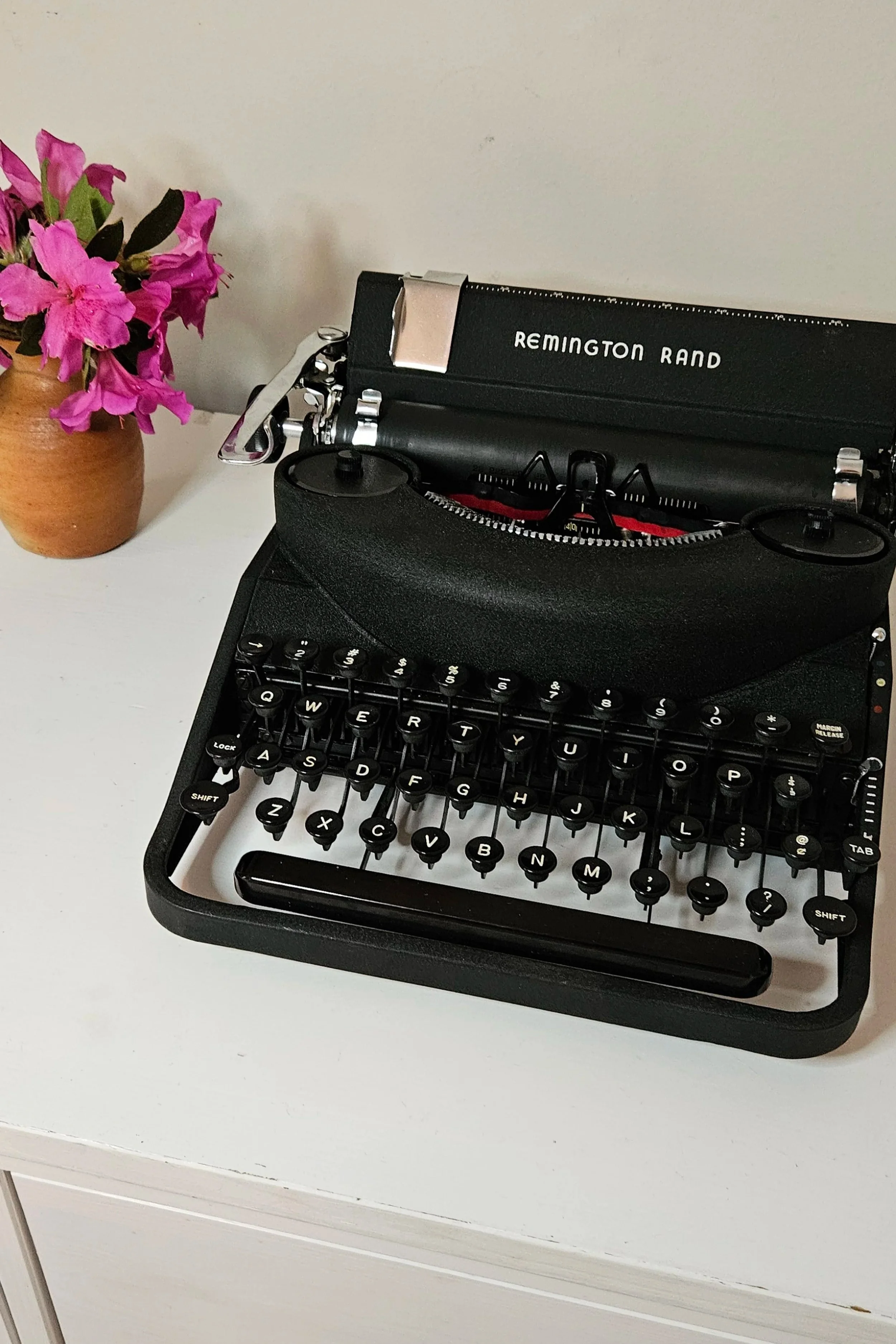
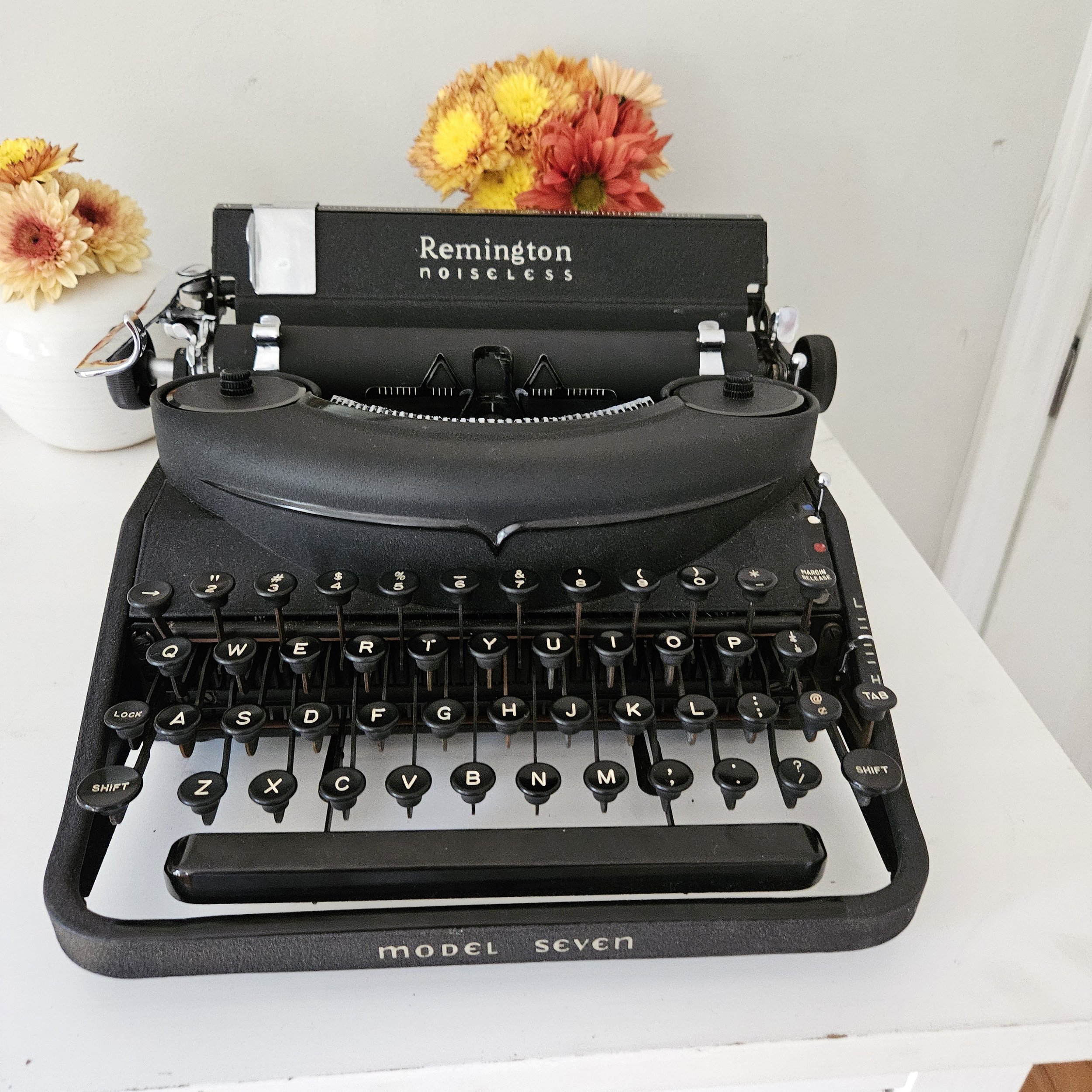
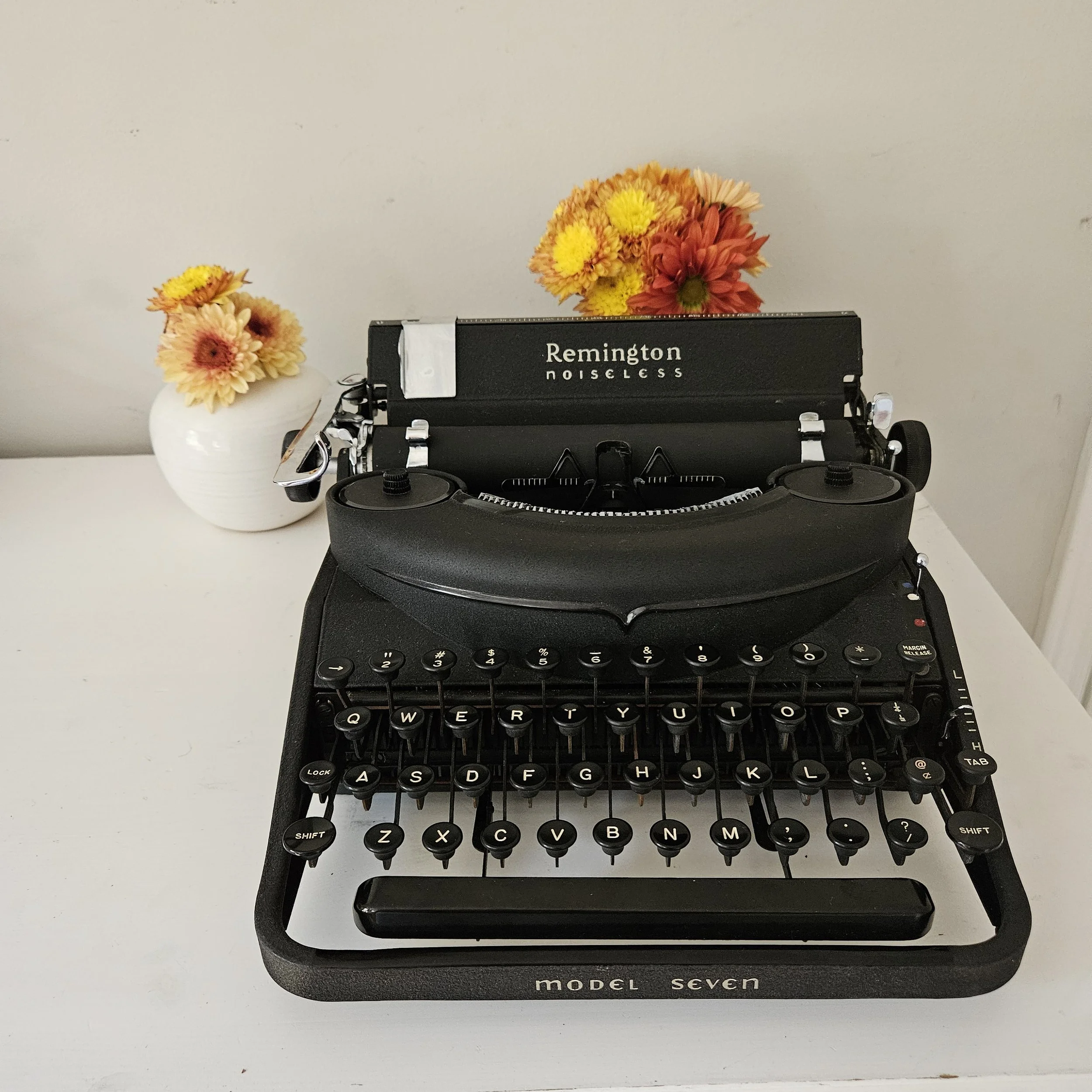
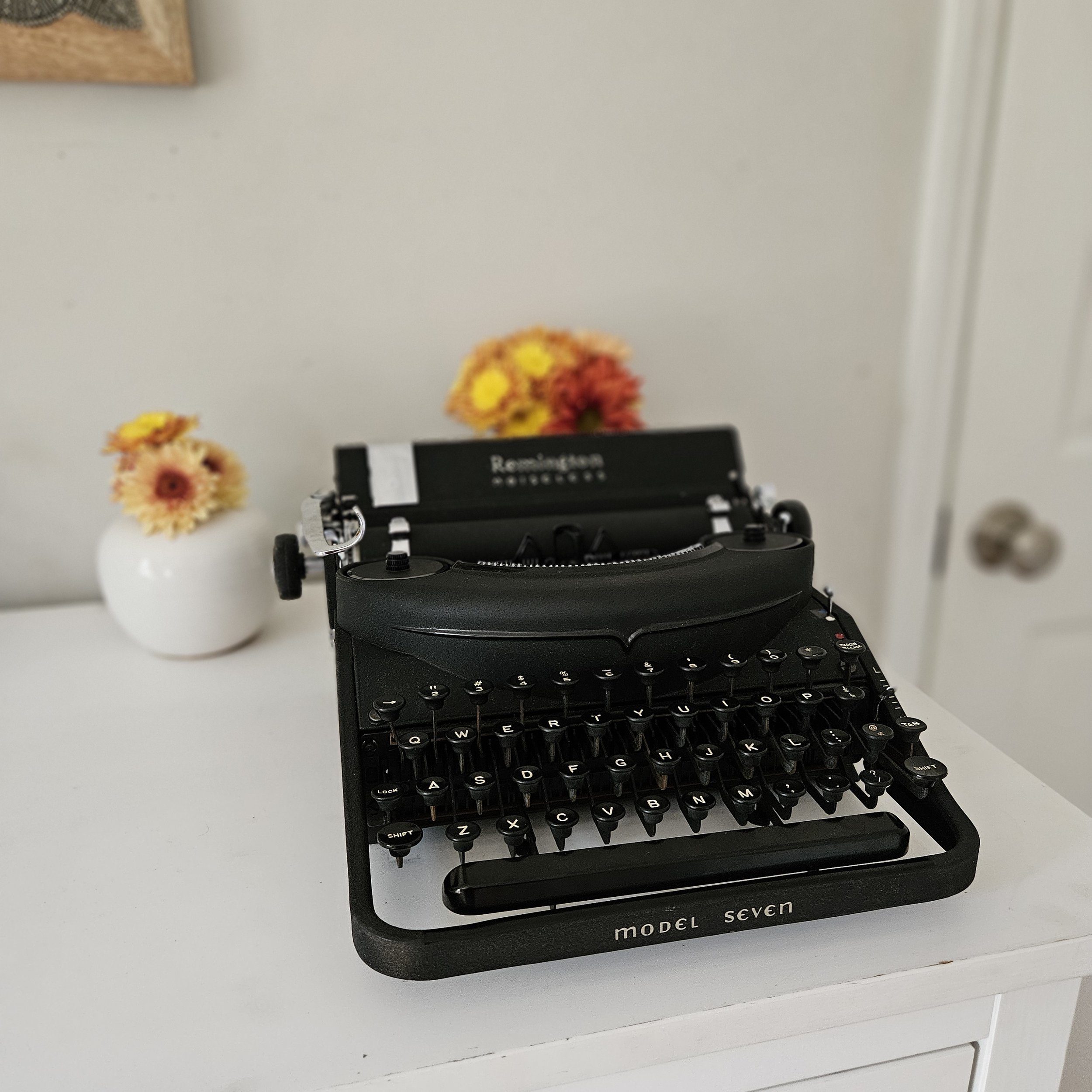
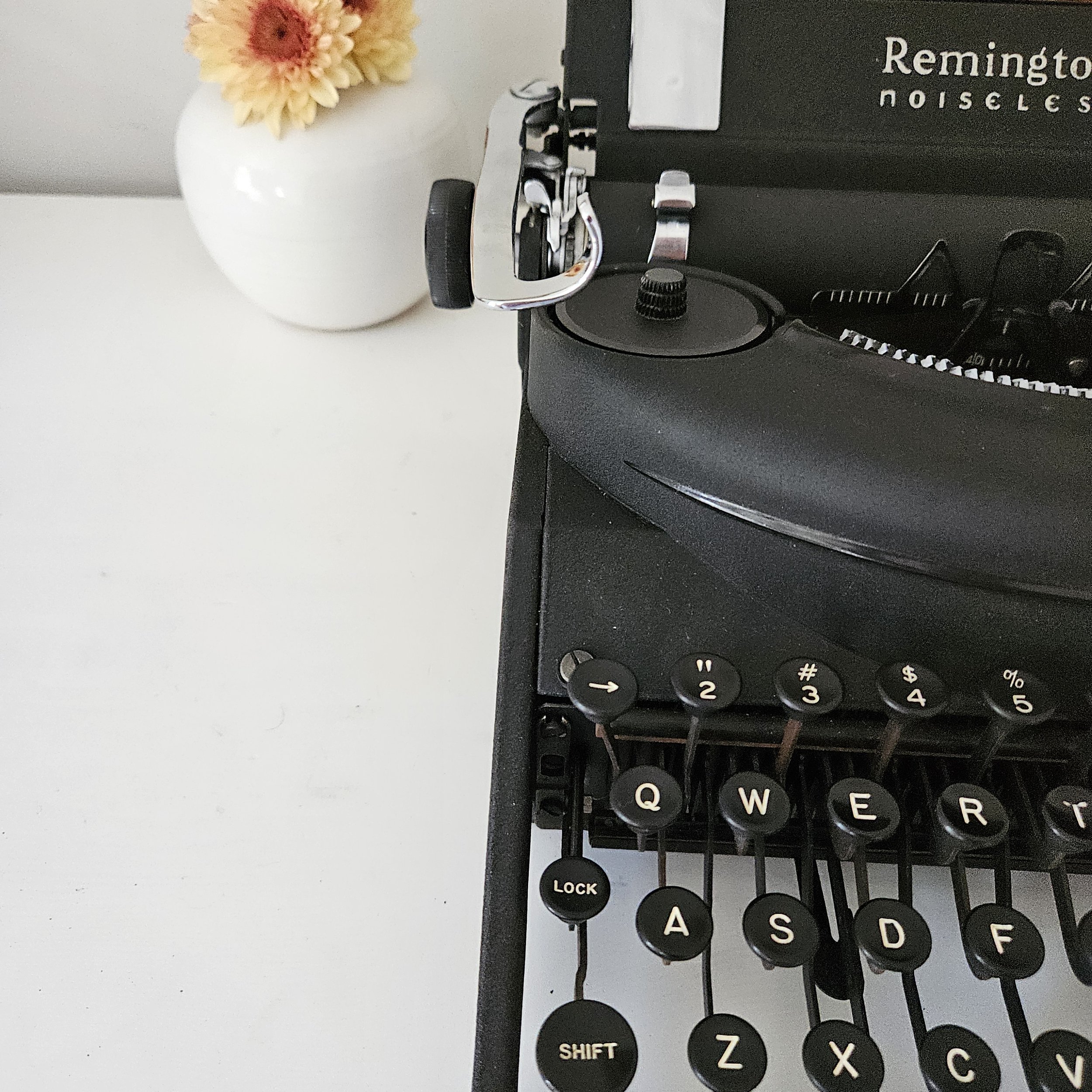
Circa 1947 Remington / Underwood Noiseless 77 Typewriter with Case

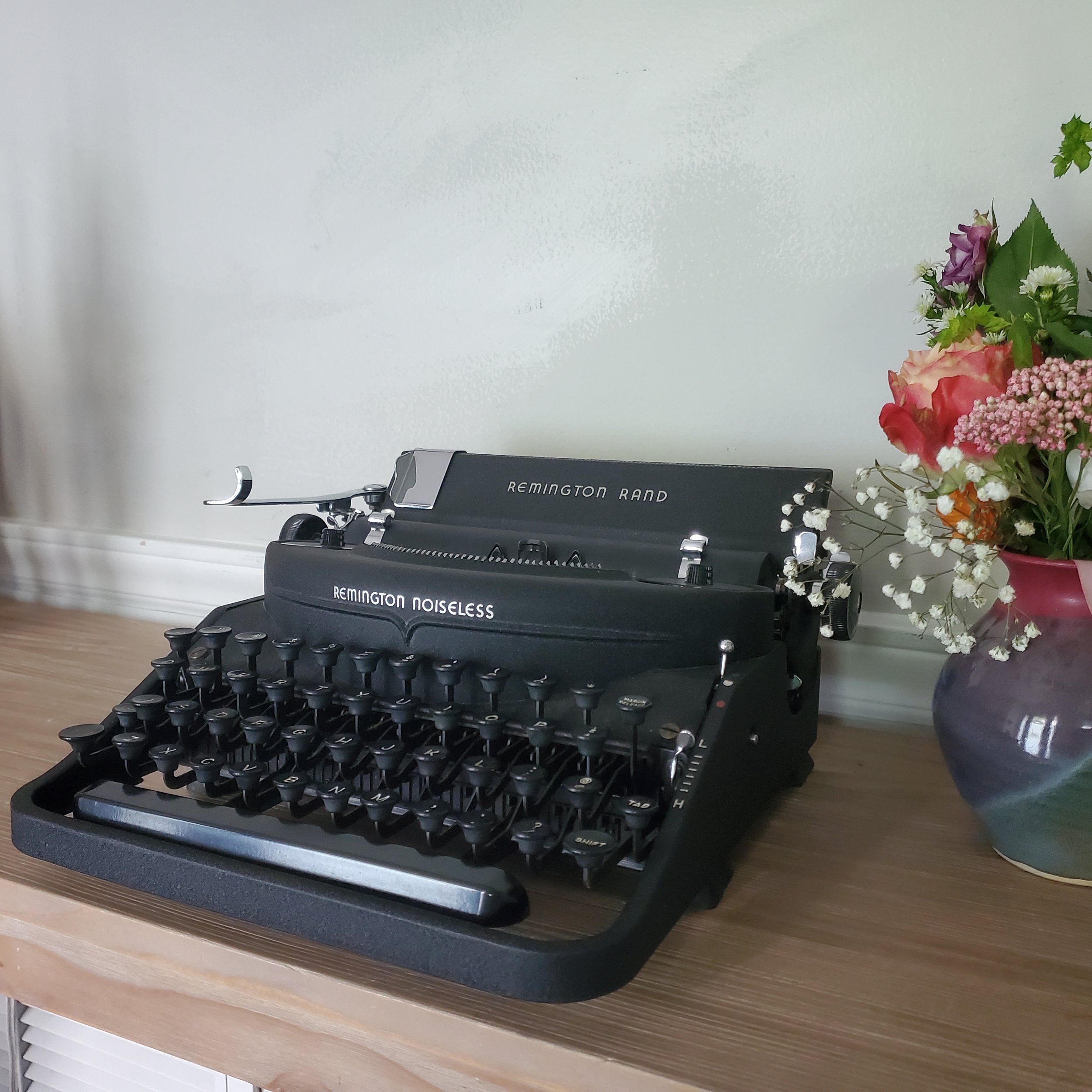

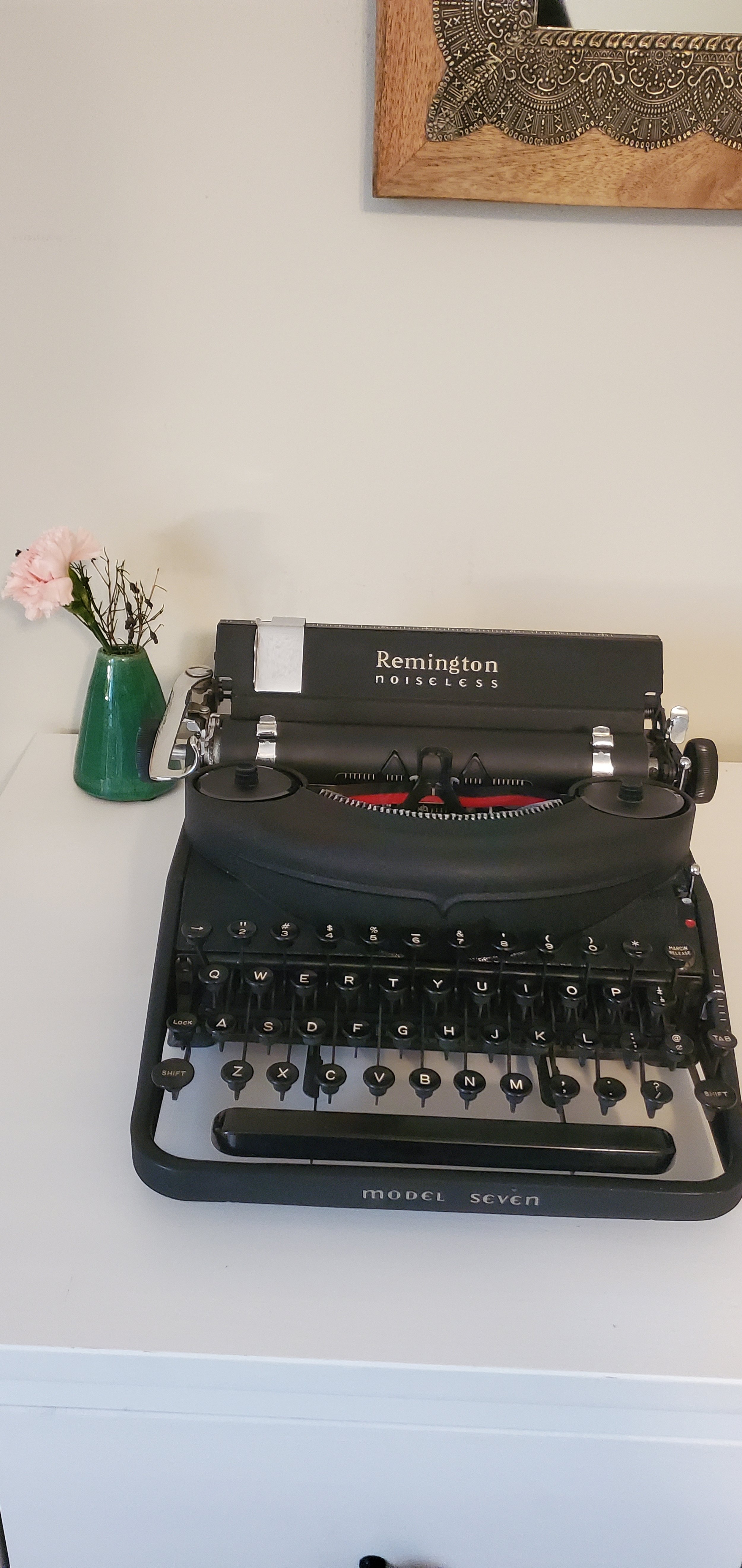
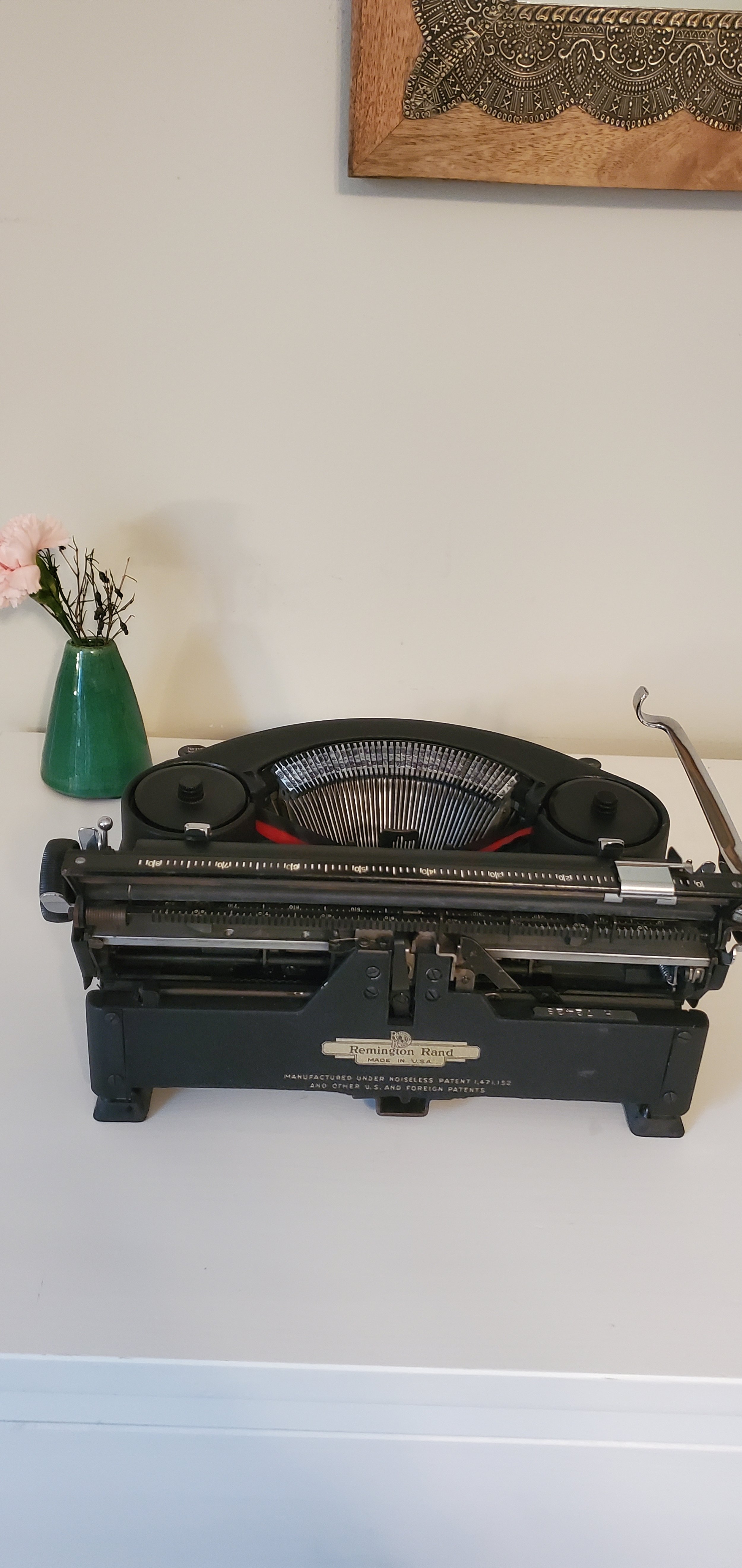
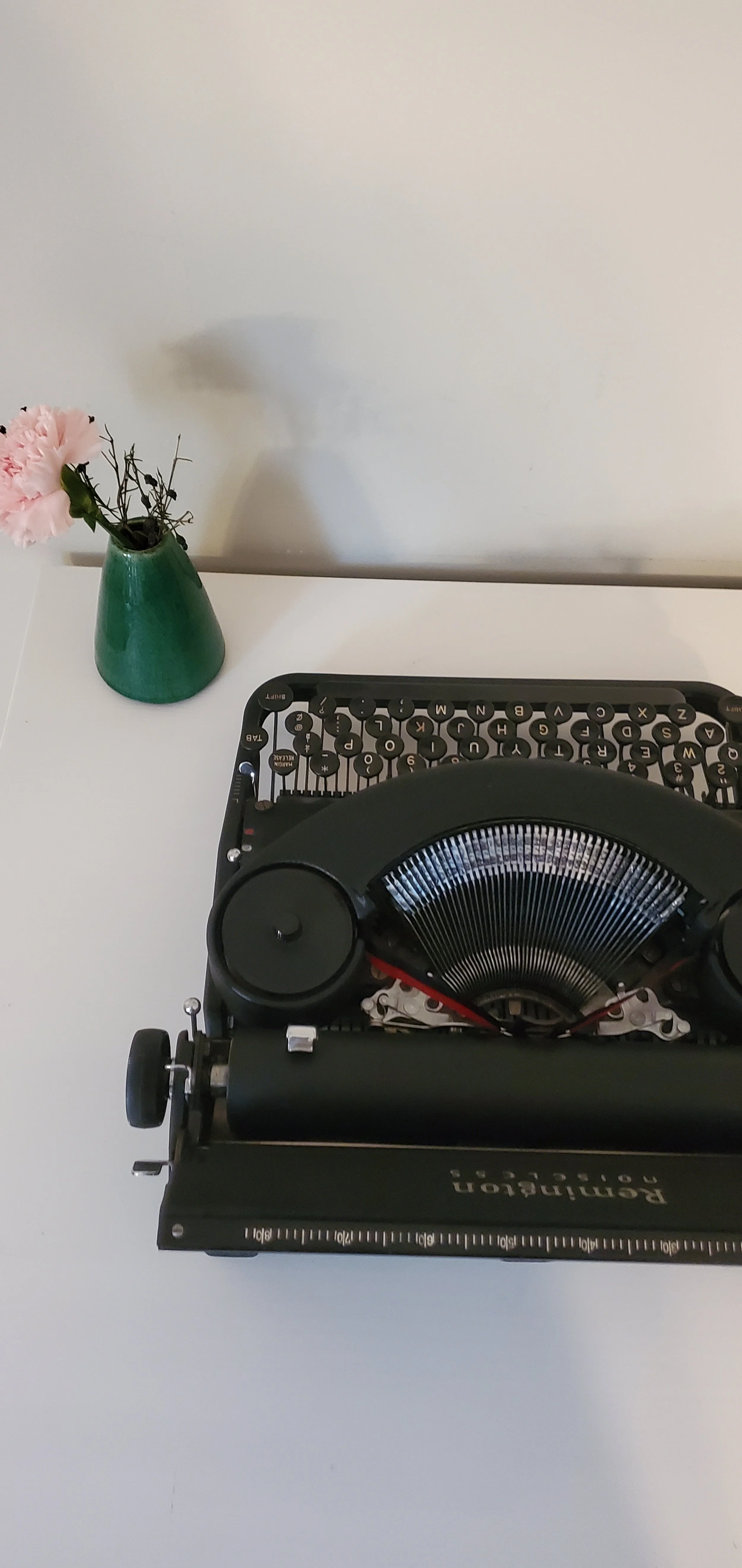
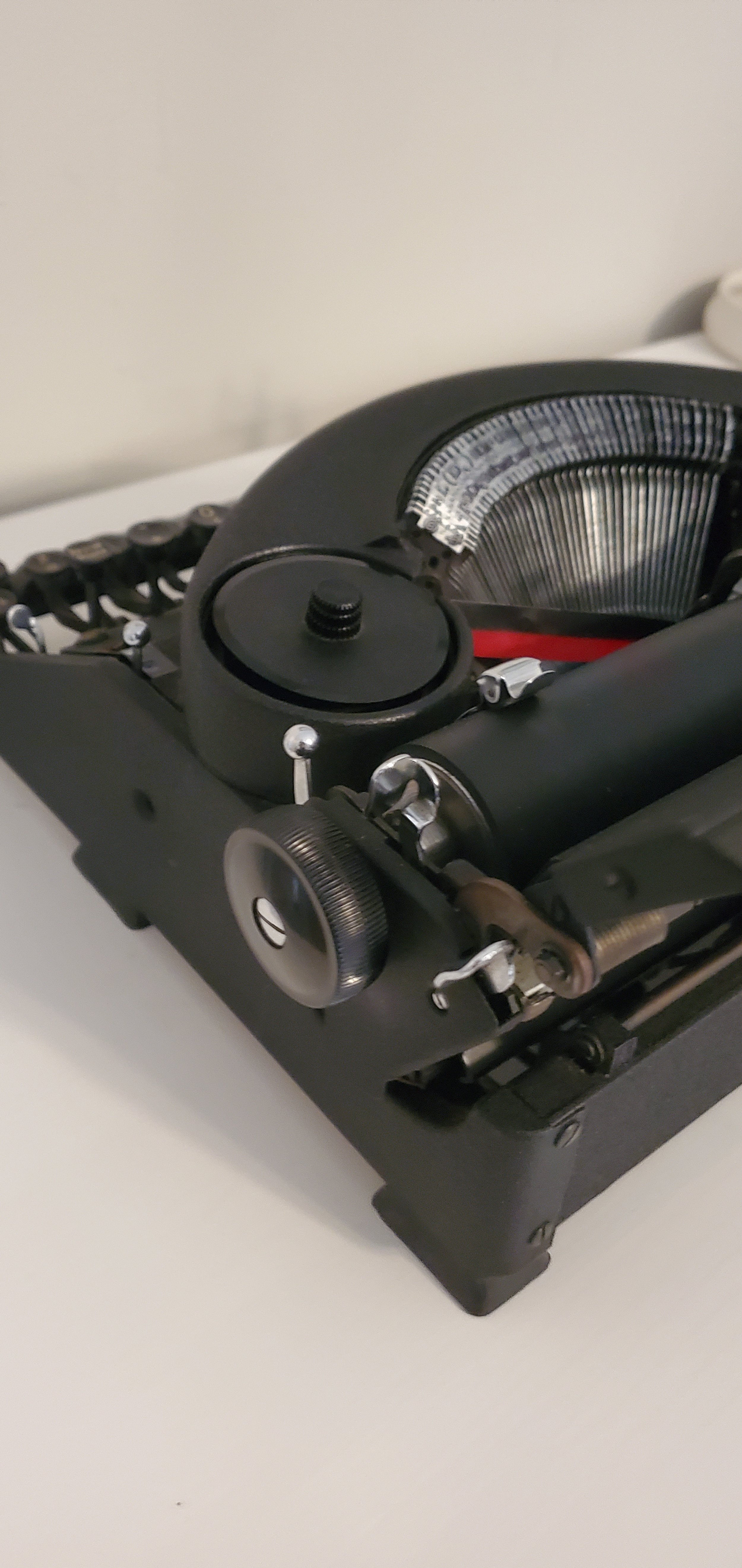
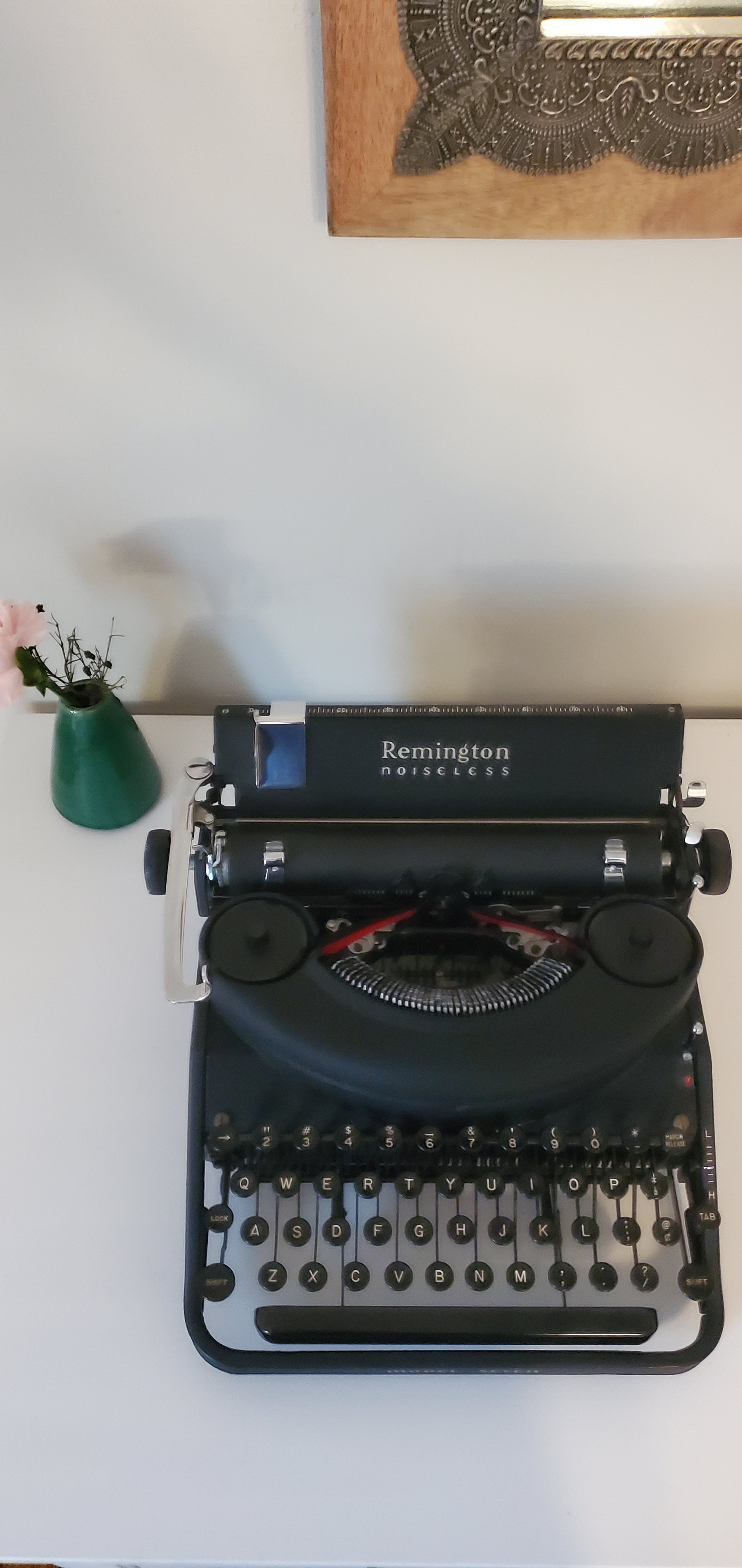
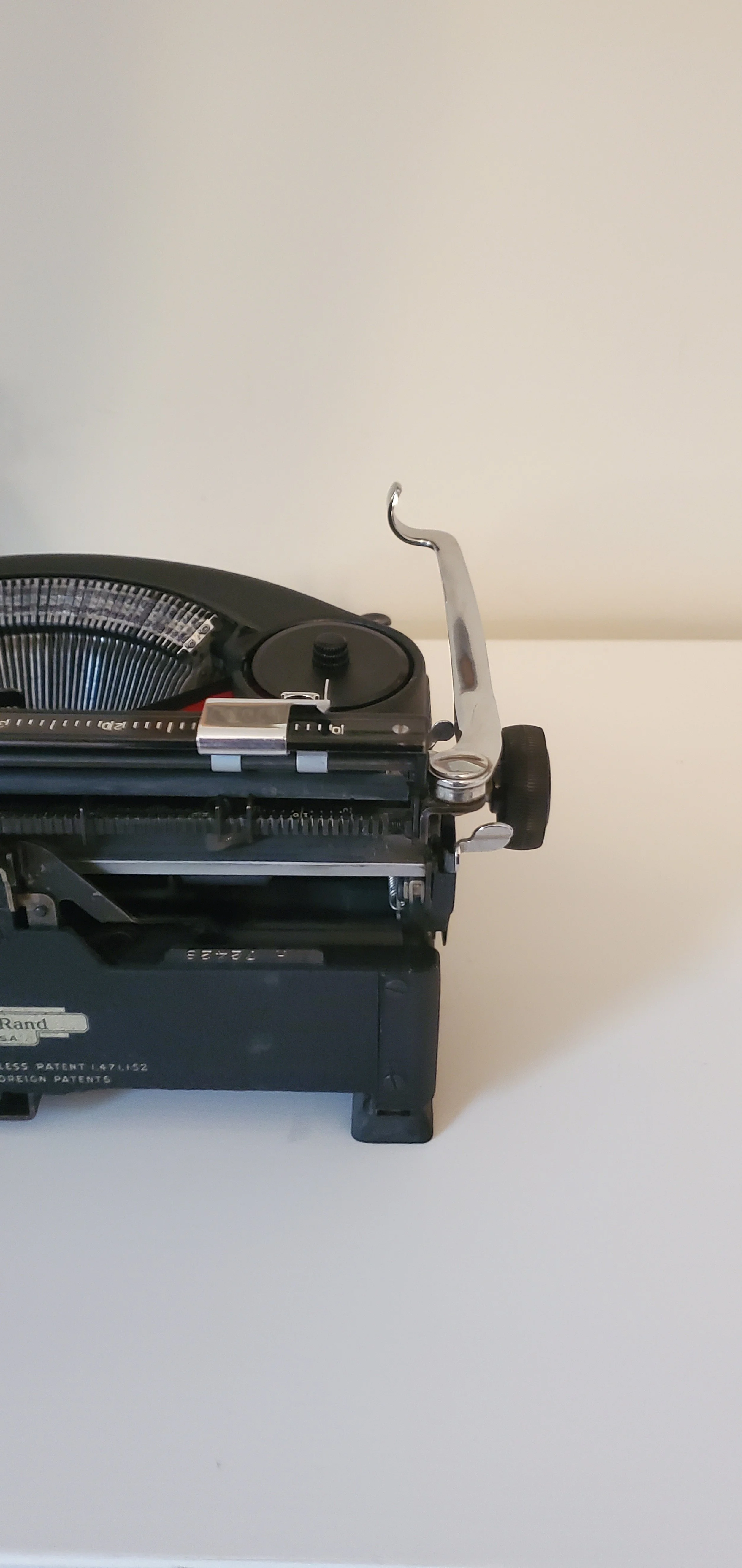
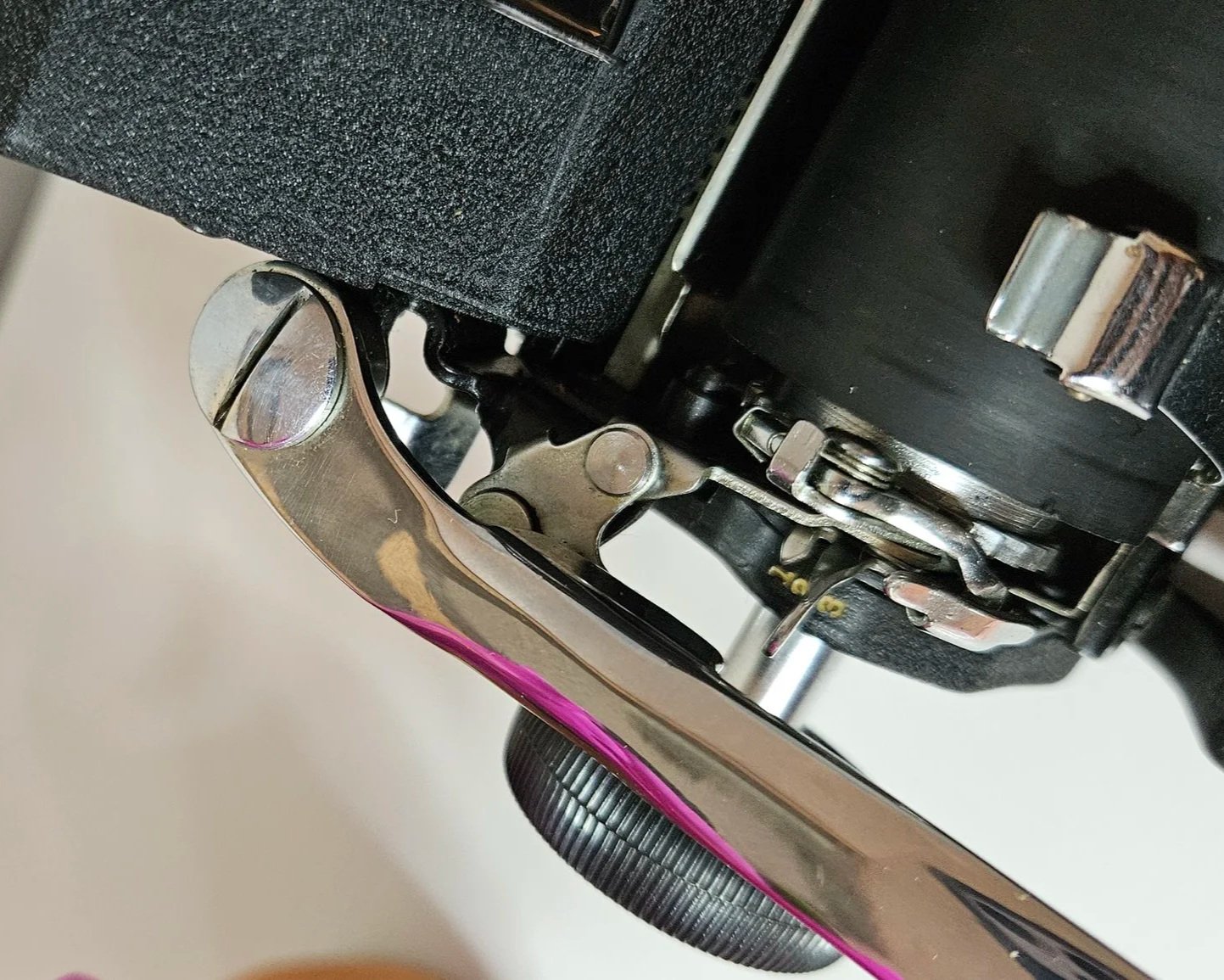
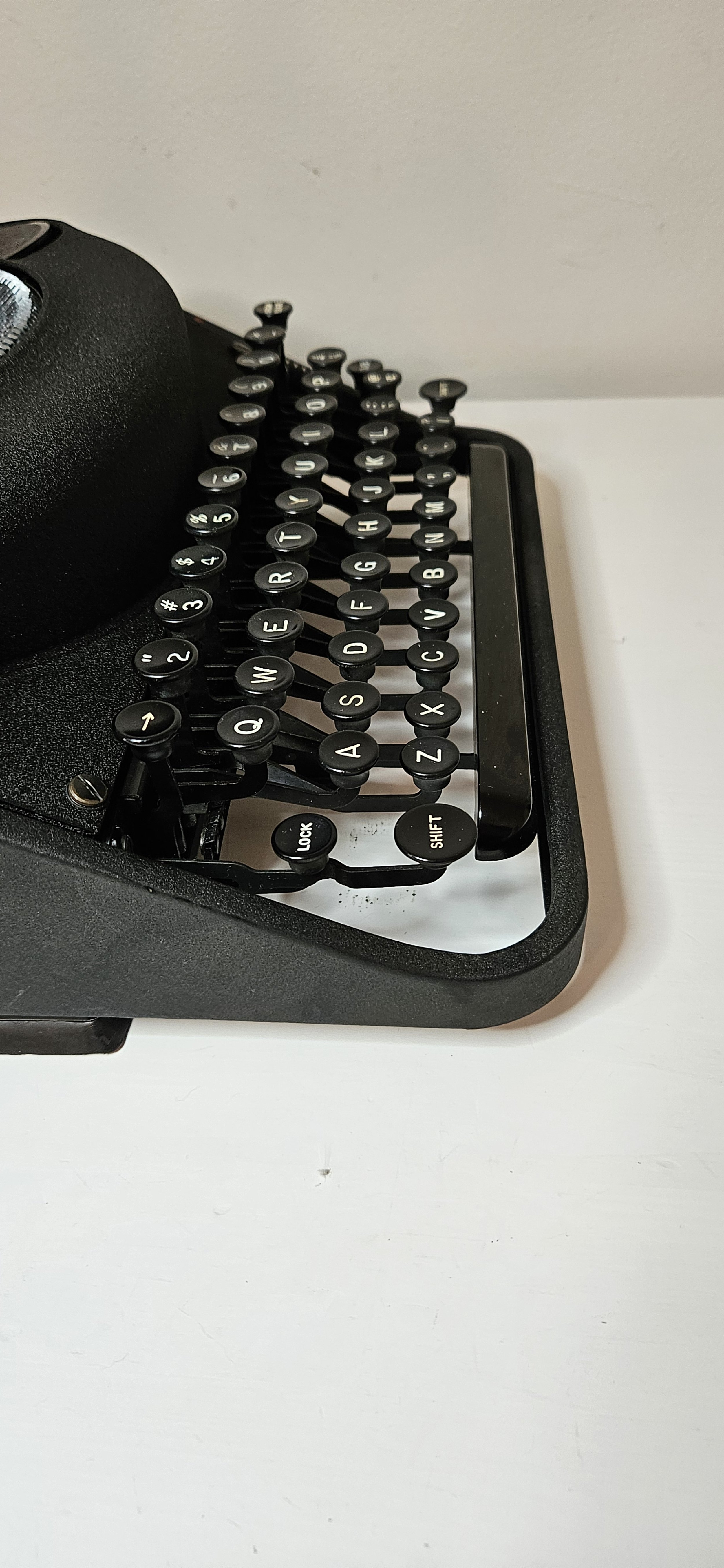
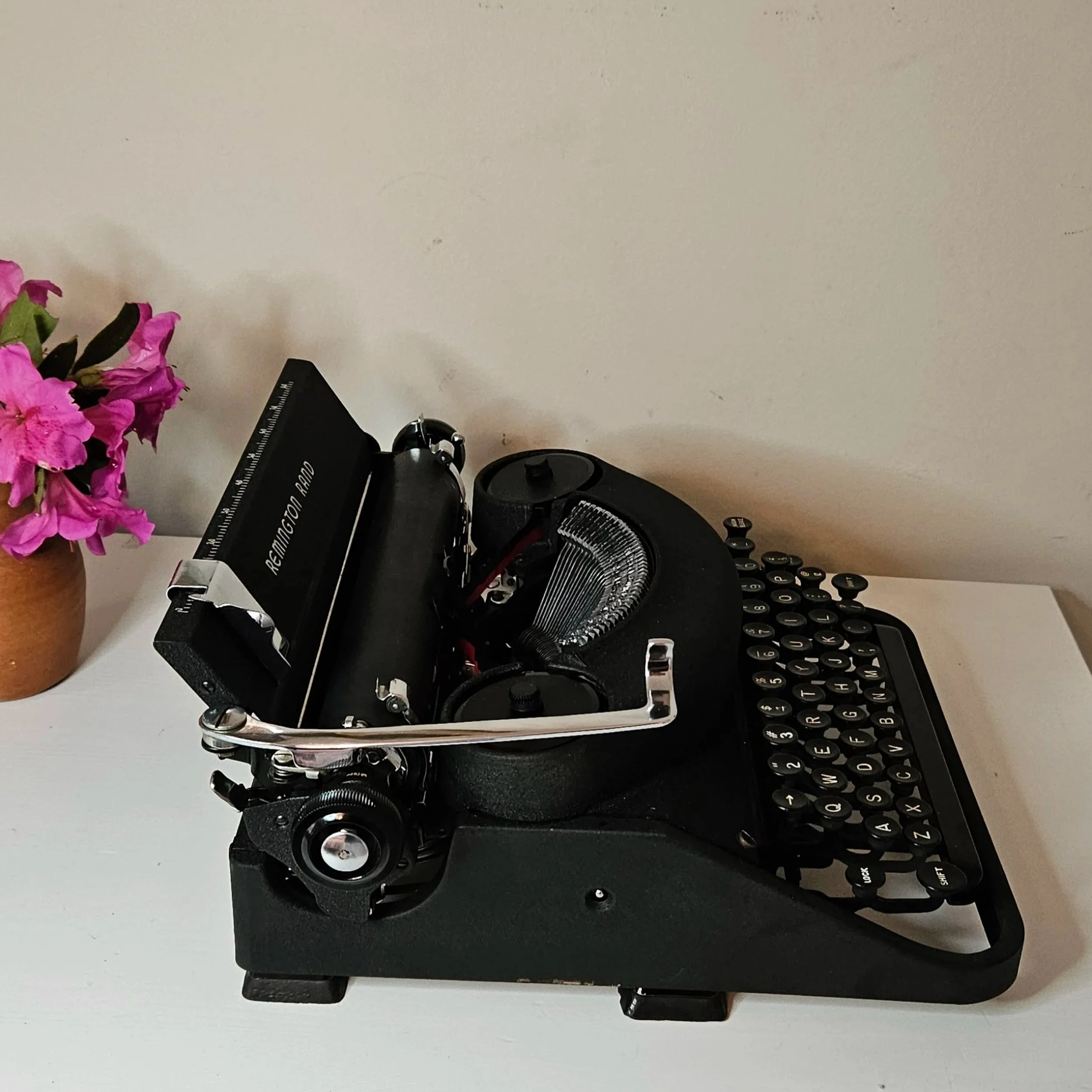
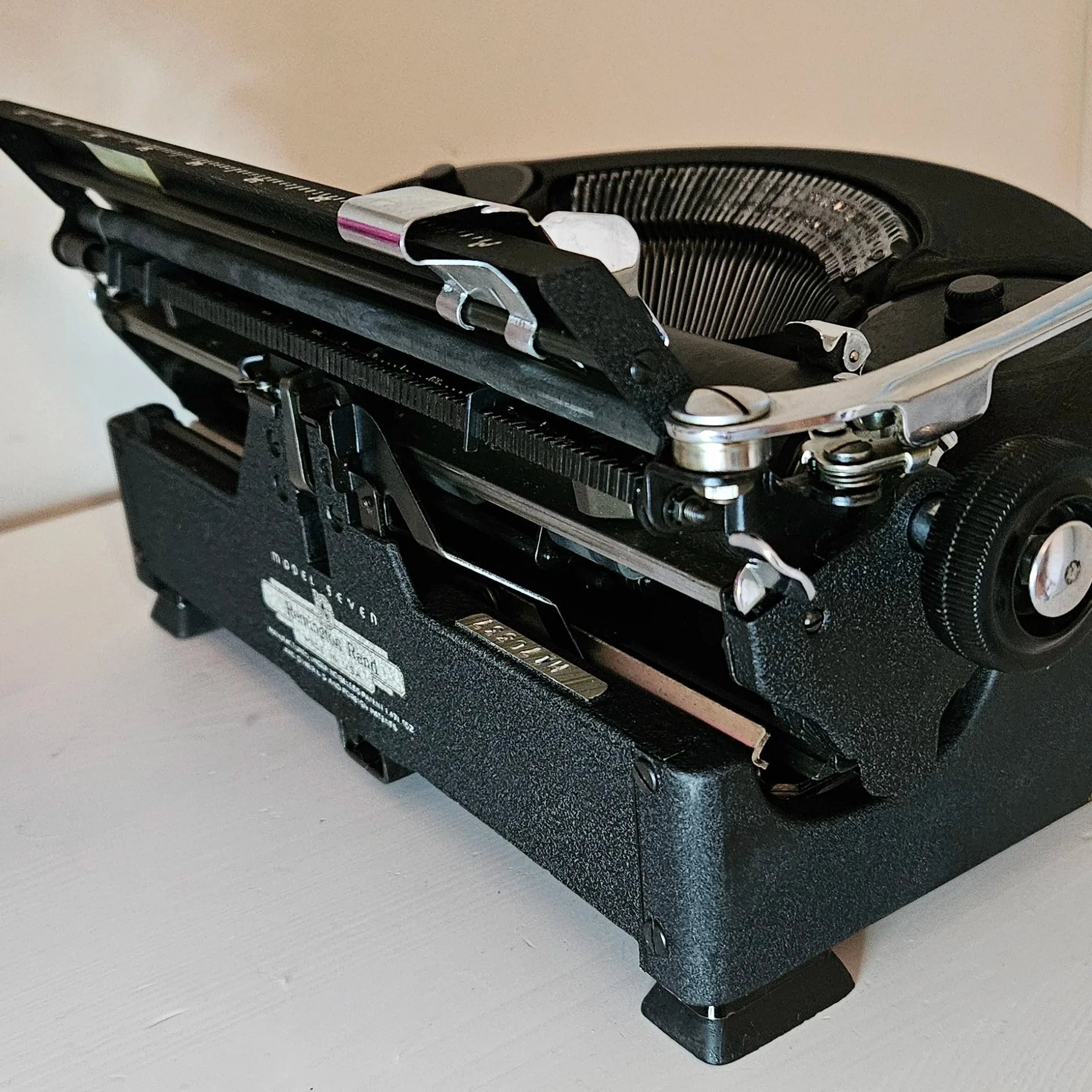
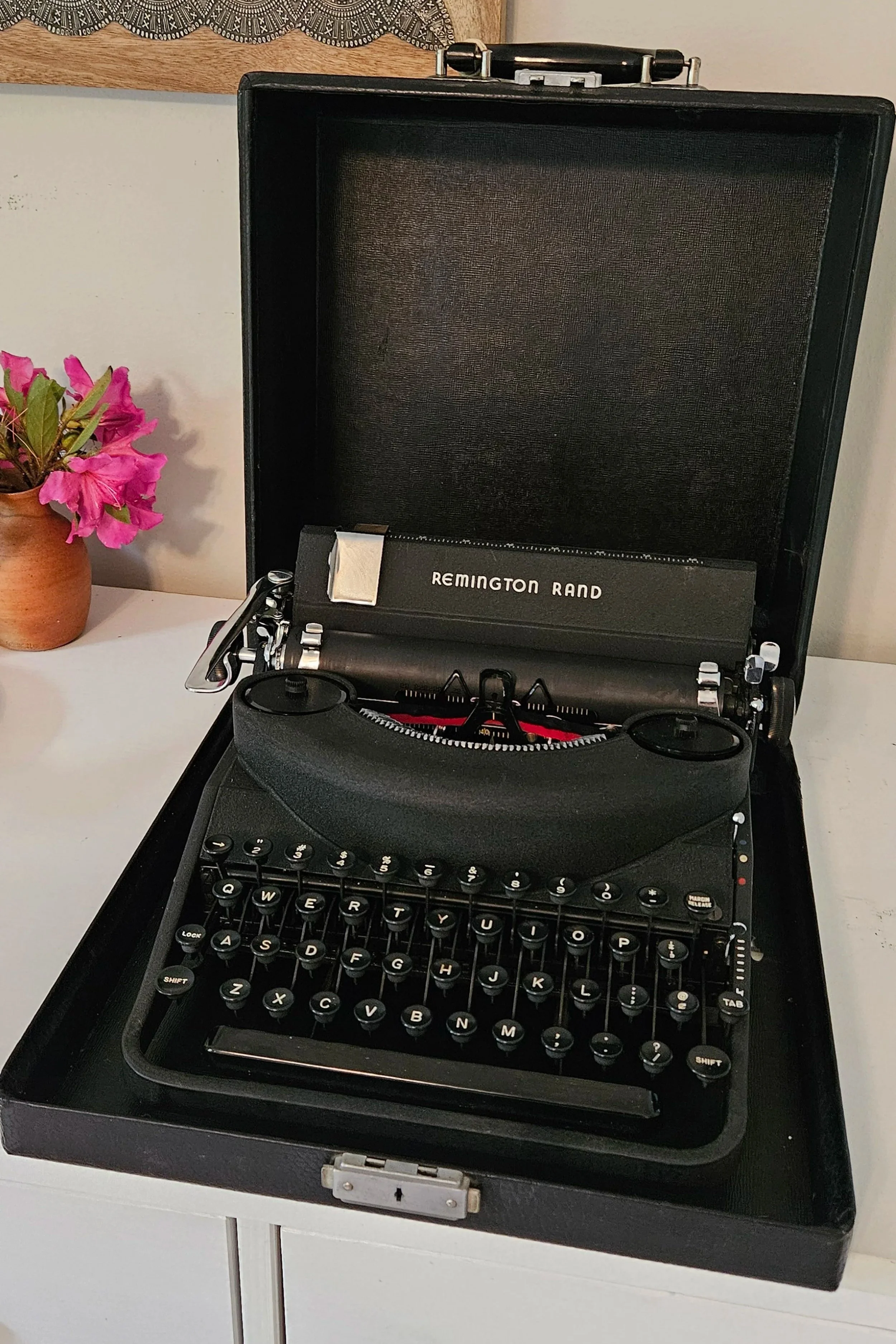
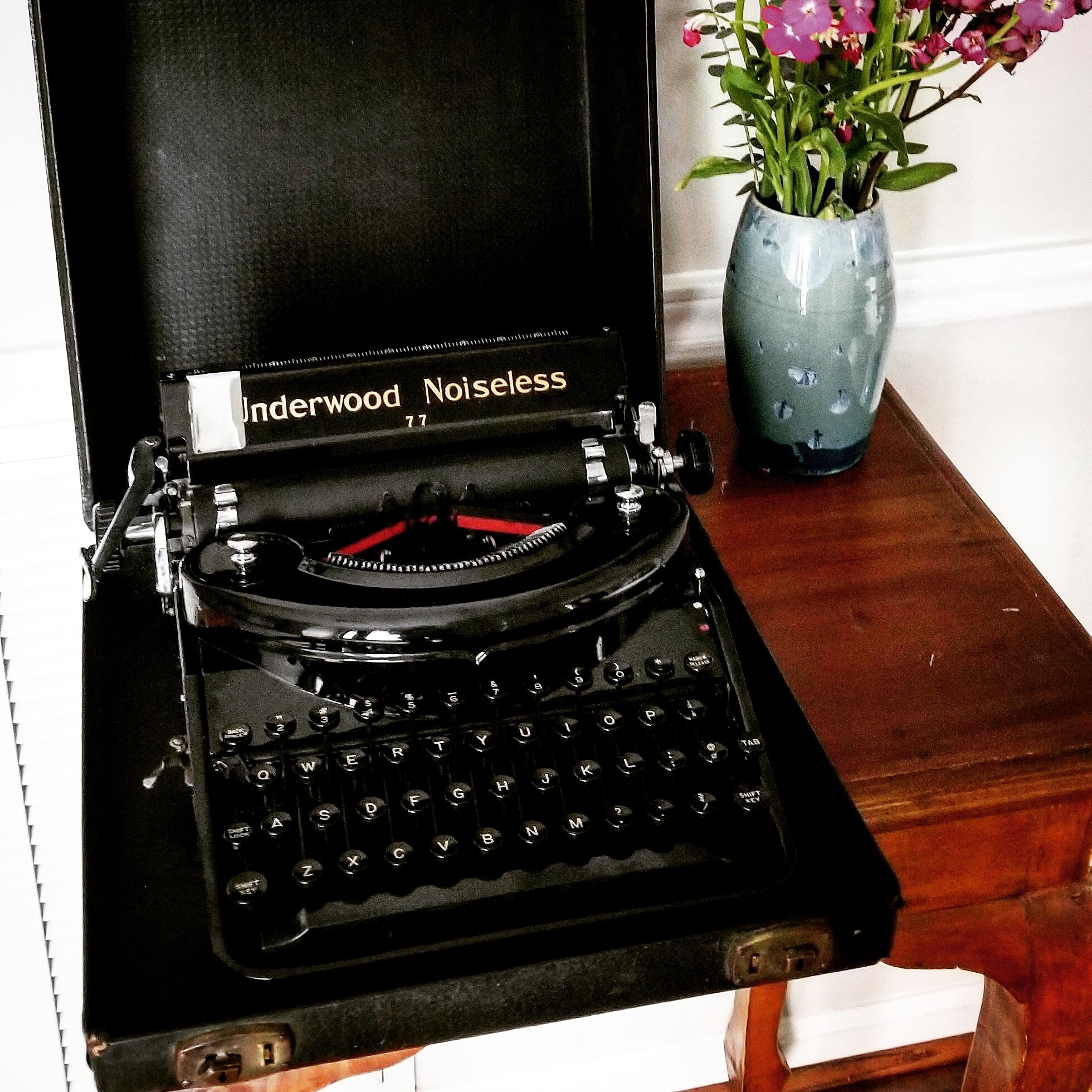
Circa 1947 Remington / Underwood Noiseless 77 Typewriter with Case
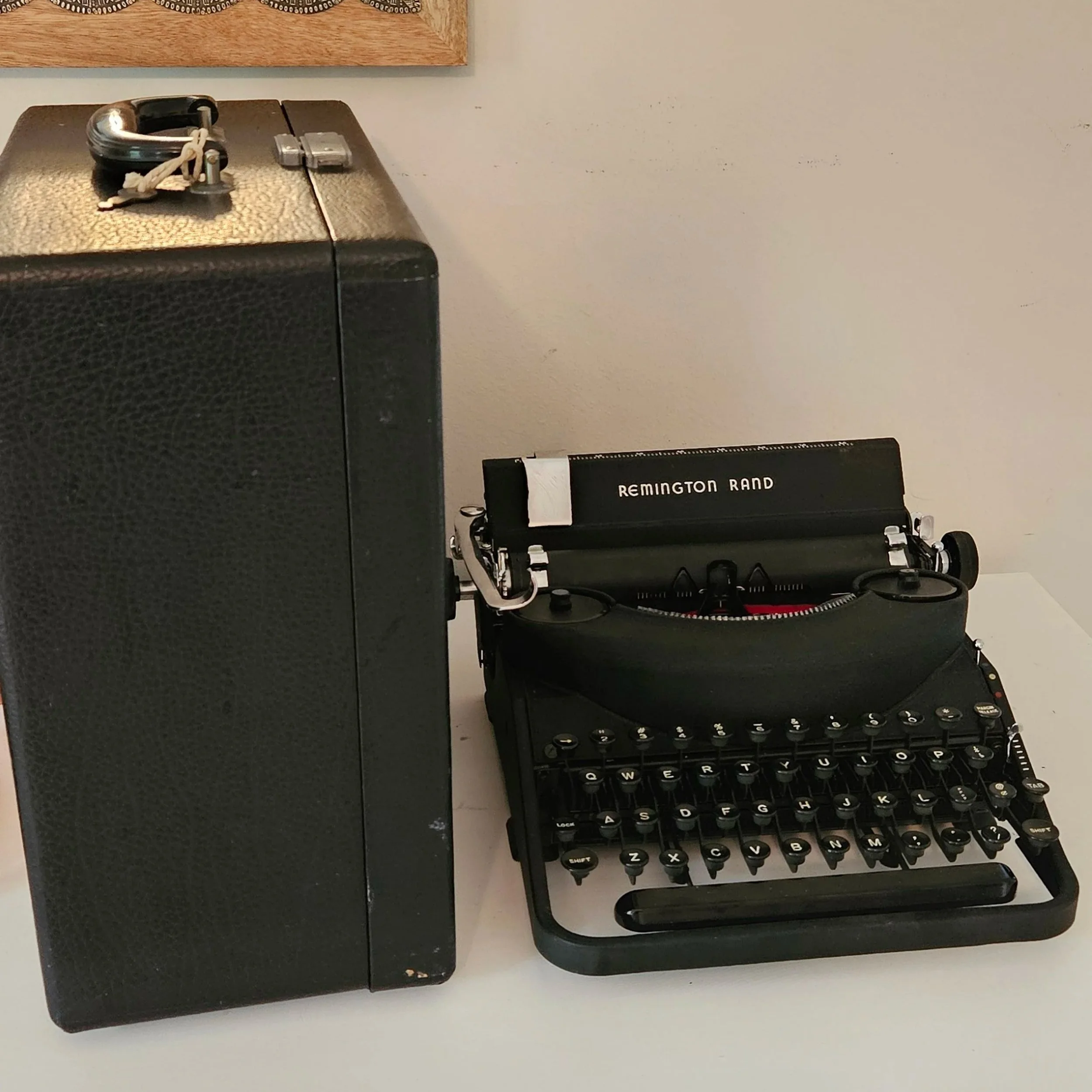
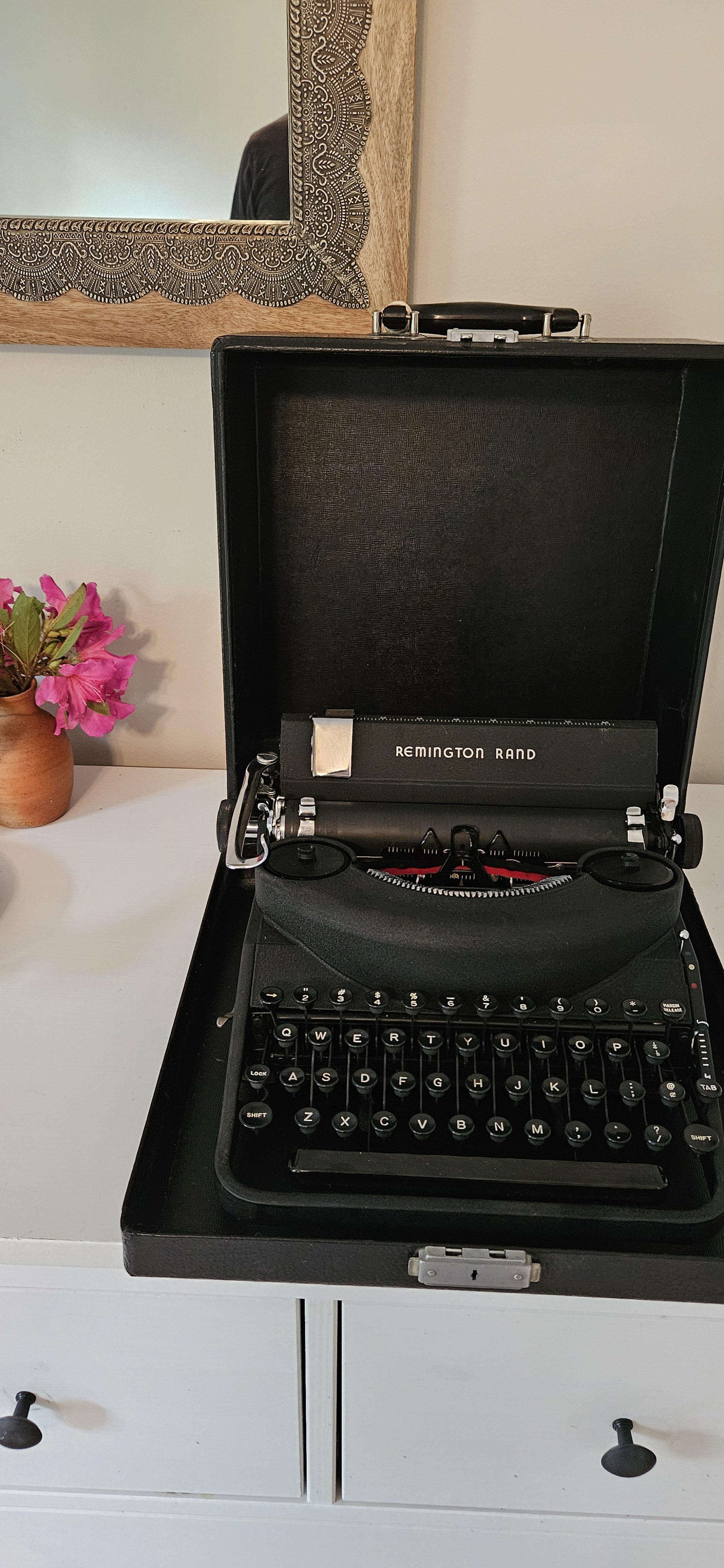
Welcome to one of history’s finest typewriters, lovingly restored for your writing pleasure.
Order now. In about 2 weeks, you’ll get a stunning, authentic, lovingly-restored specimen of this model in the condition selected.
***
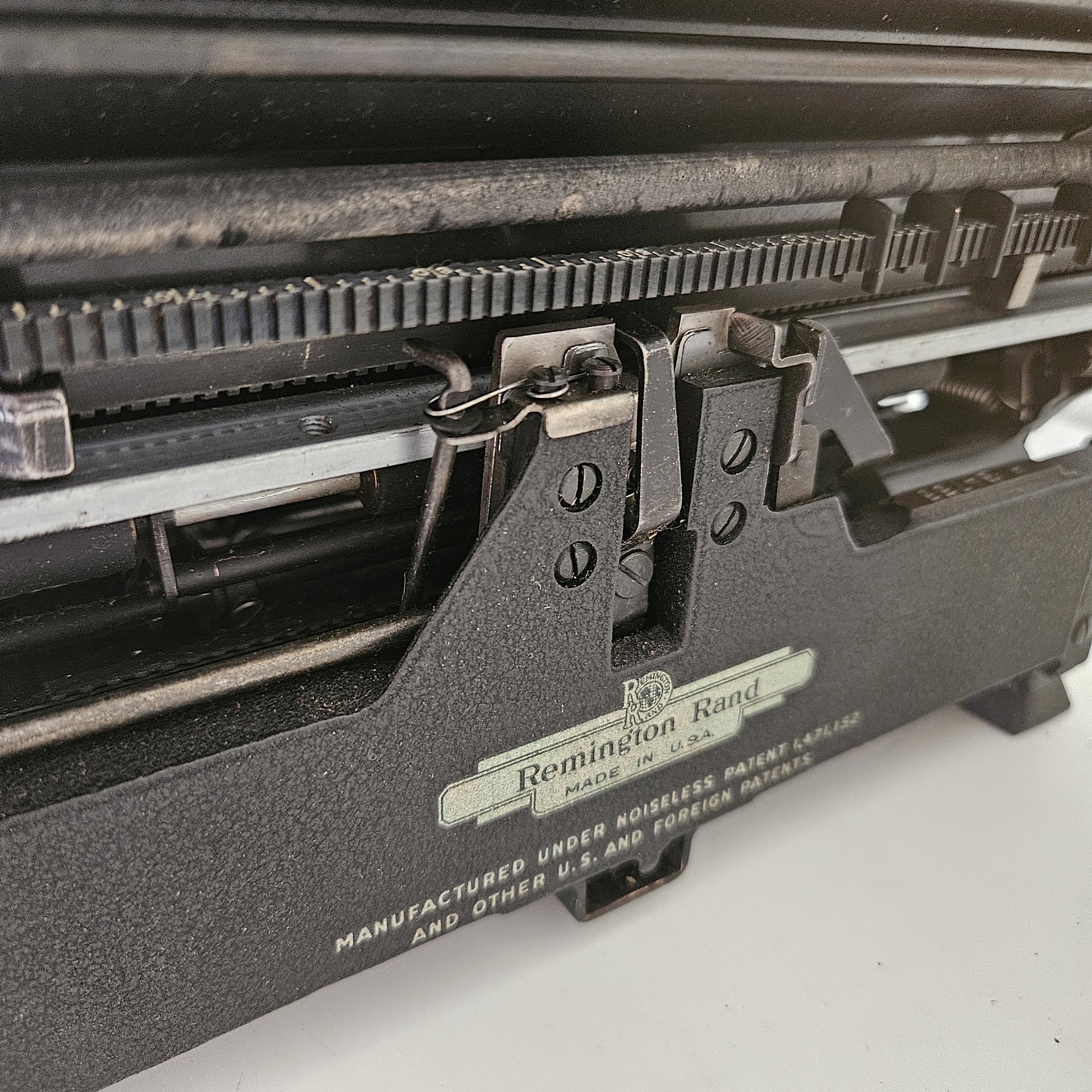
The Underwood Noiseless 77 (and its twin, the Remington Noiseless Model 7) were produced from the early 1930s through the late 1940s.
Remington produced these under license for Underwood, so they're almost identical in all aspects aside from the labeling. This model was used by Hemingway and others of his ilk and era.
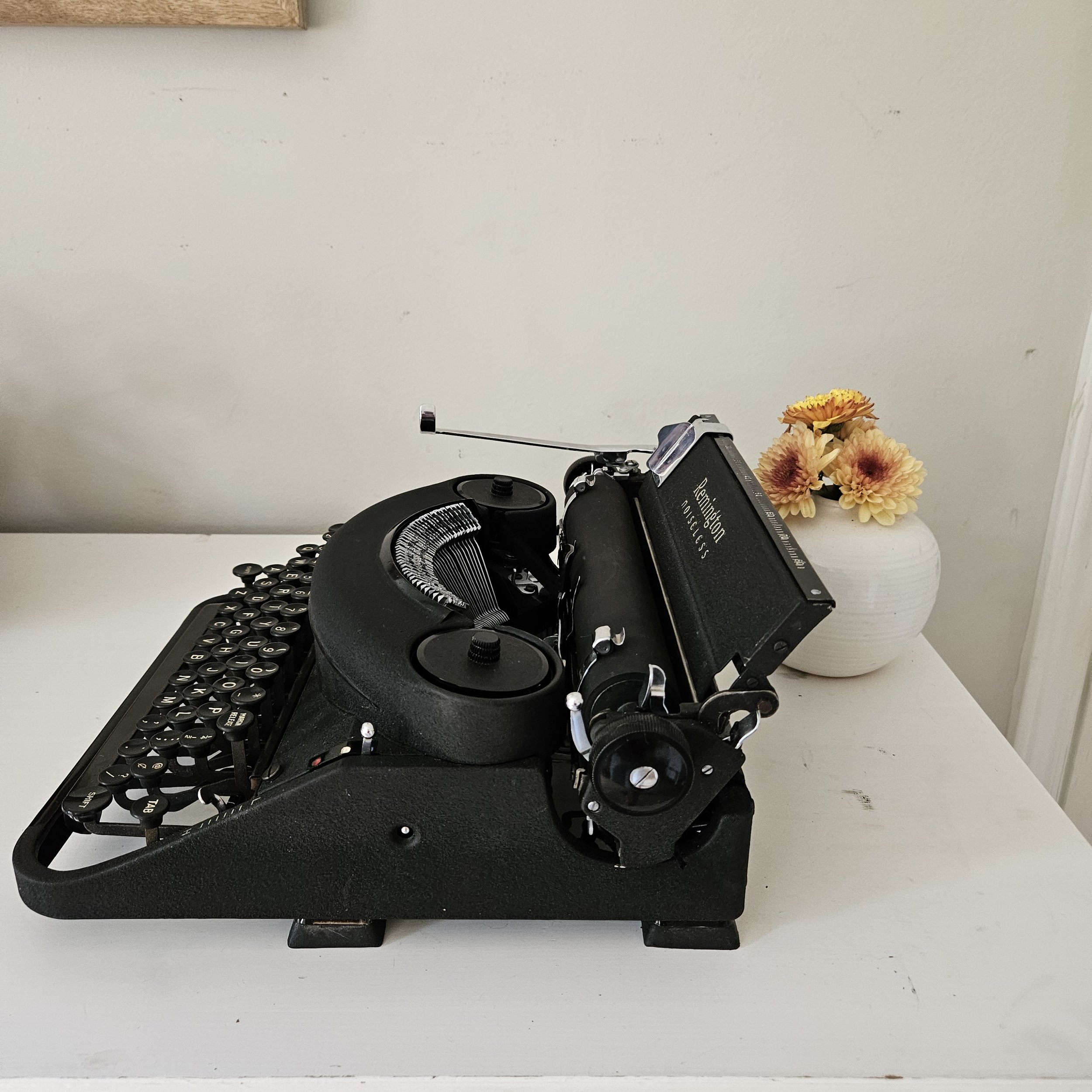
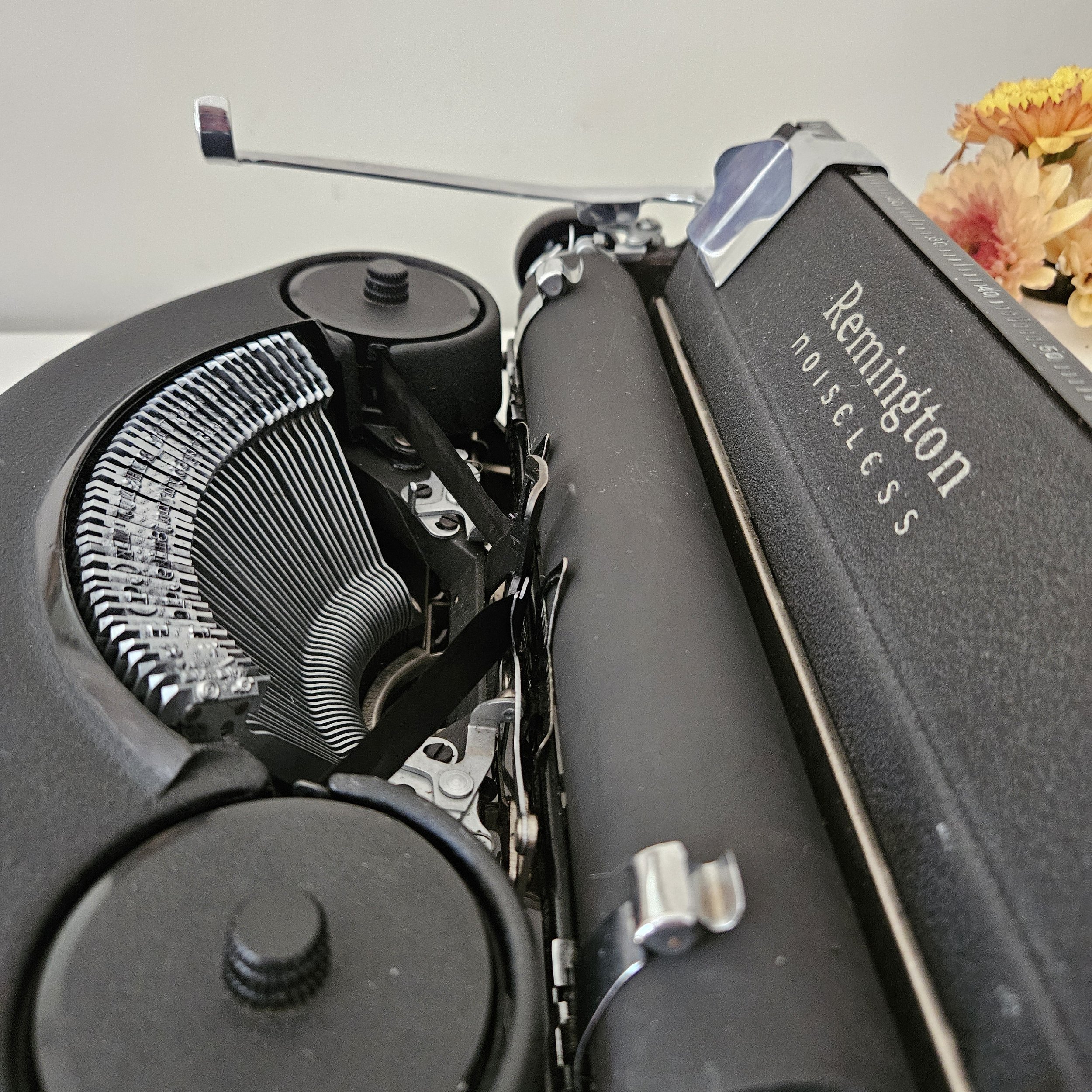
These later models have bakelite ribbon spool covers (the earlier Noiseless models had metal).
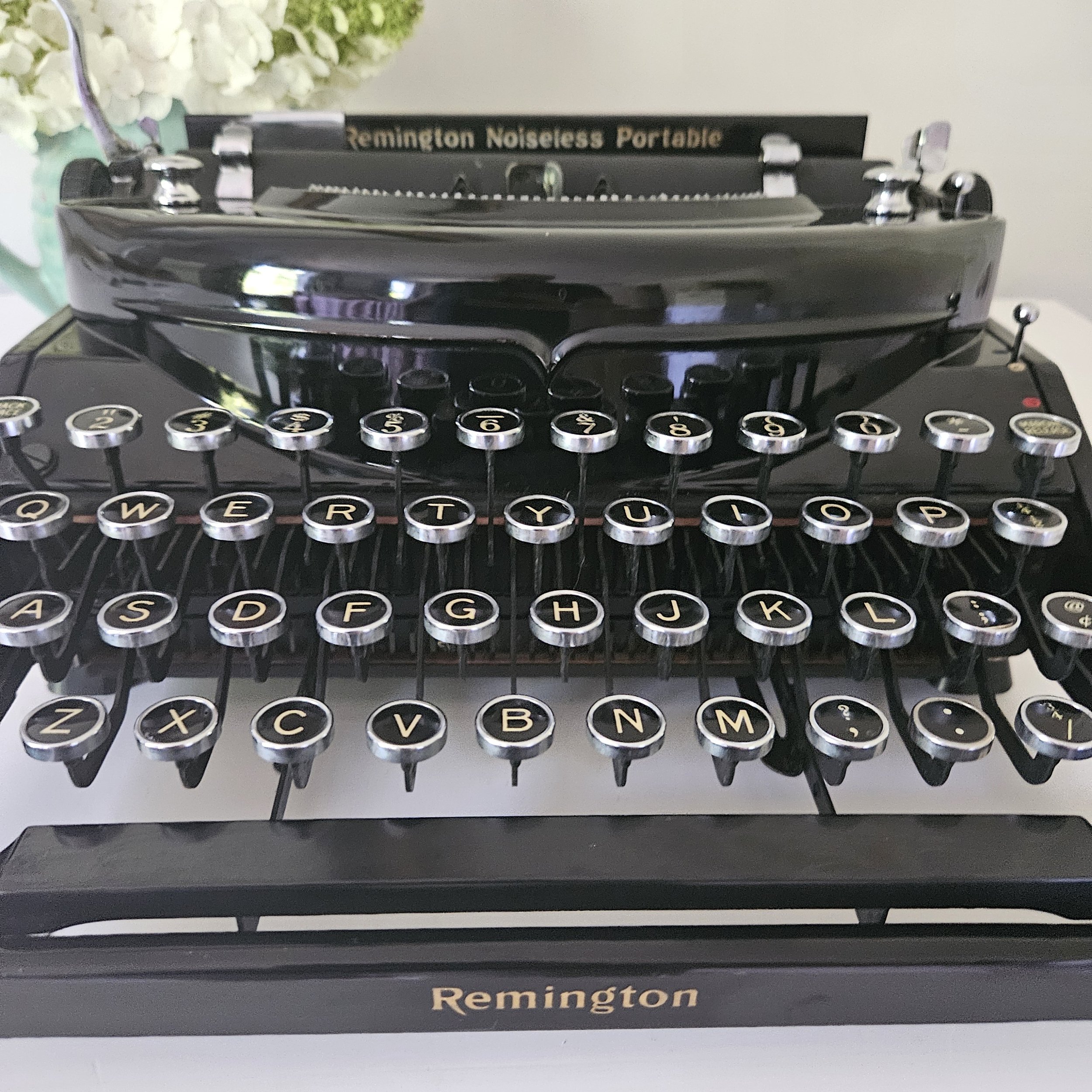
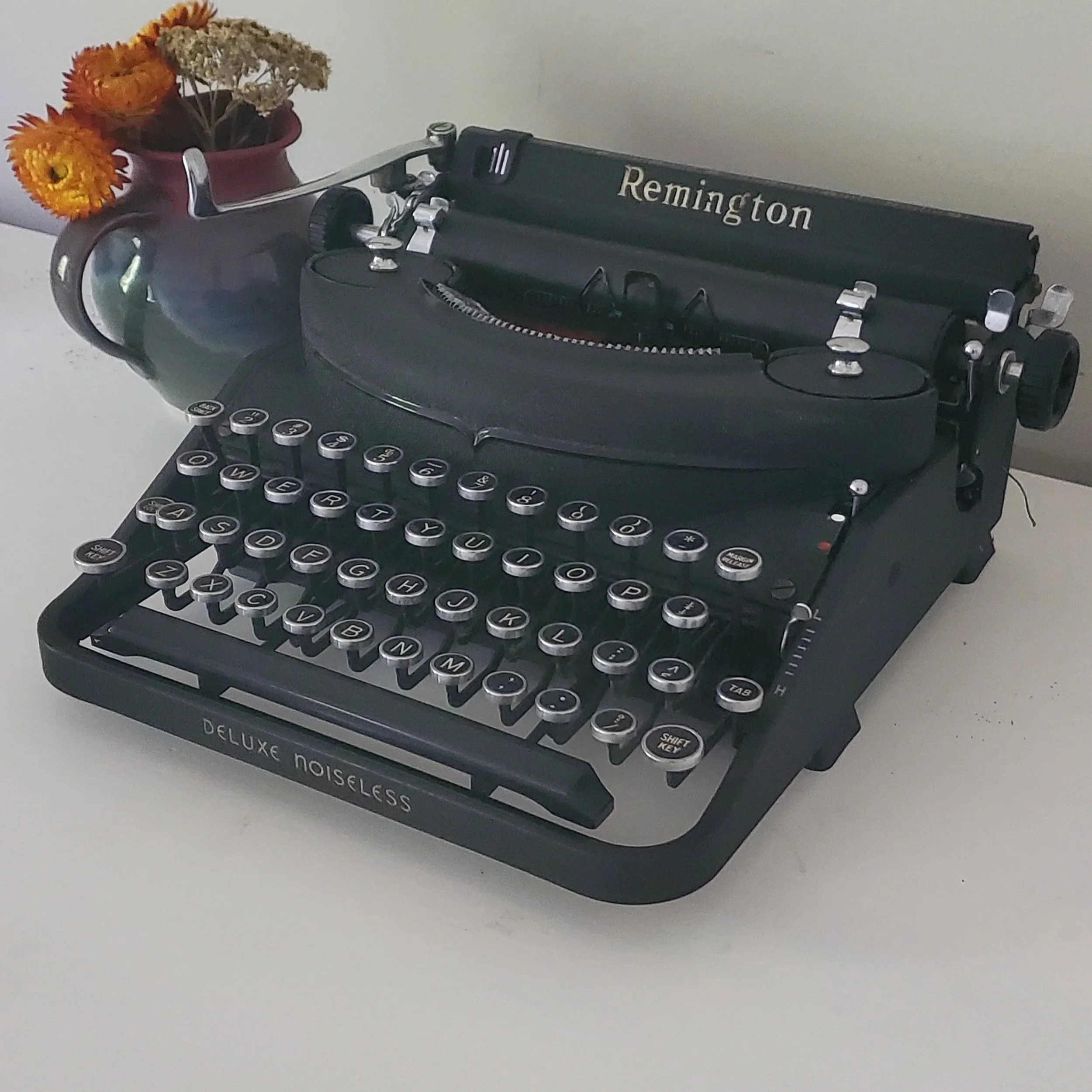
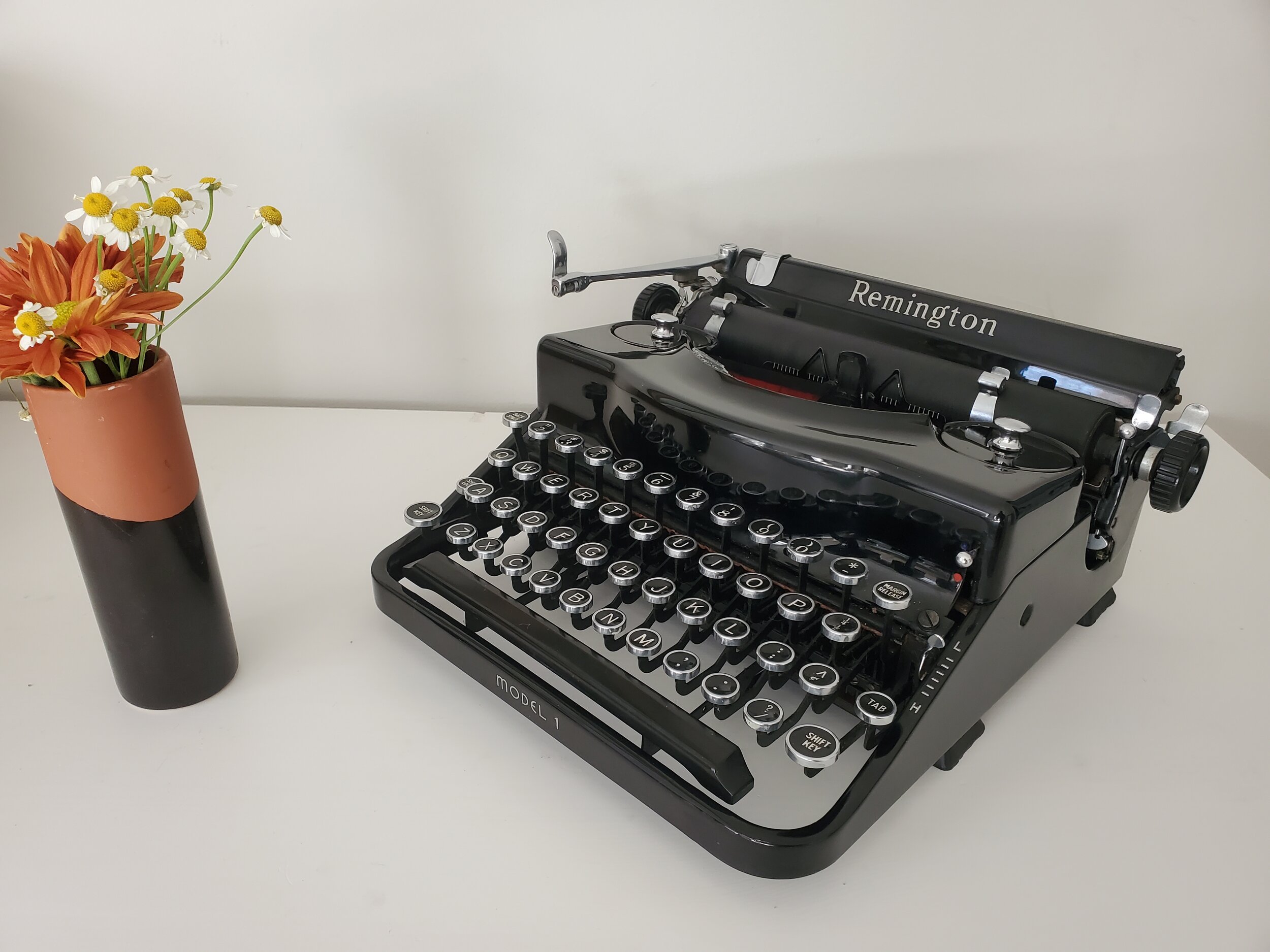
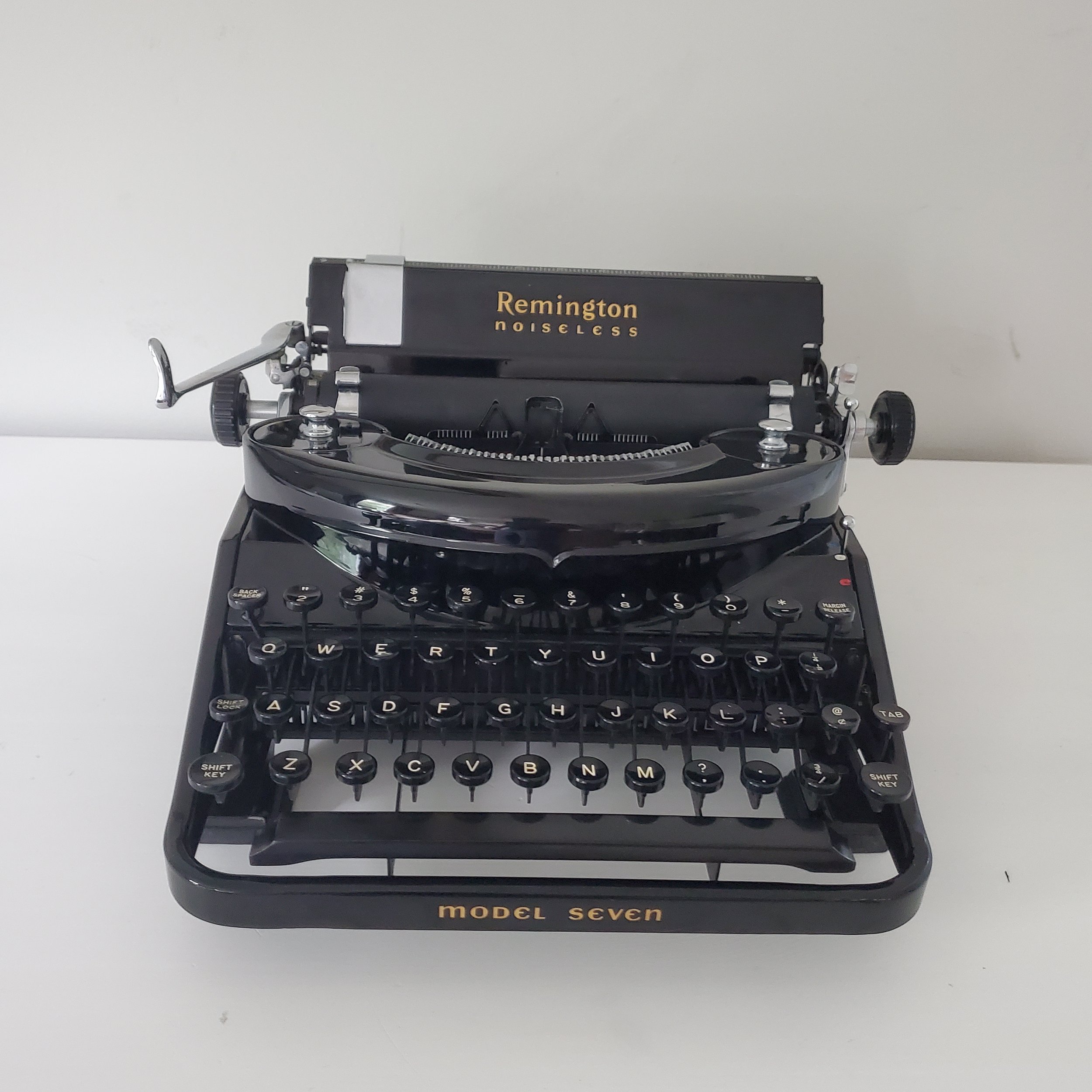
We also sell the gloss 30’s Model 7, Noiseless Deluxe,Noiseless Portable, and Noiseless Model 1. They are all very similar with cosmetic differences for the most part. This is the Noiseless Suite. These all get new rubber, feed rollers, feet, and platen. For a butter, quiet-ish typing experience.
The Noiseless Mechanism
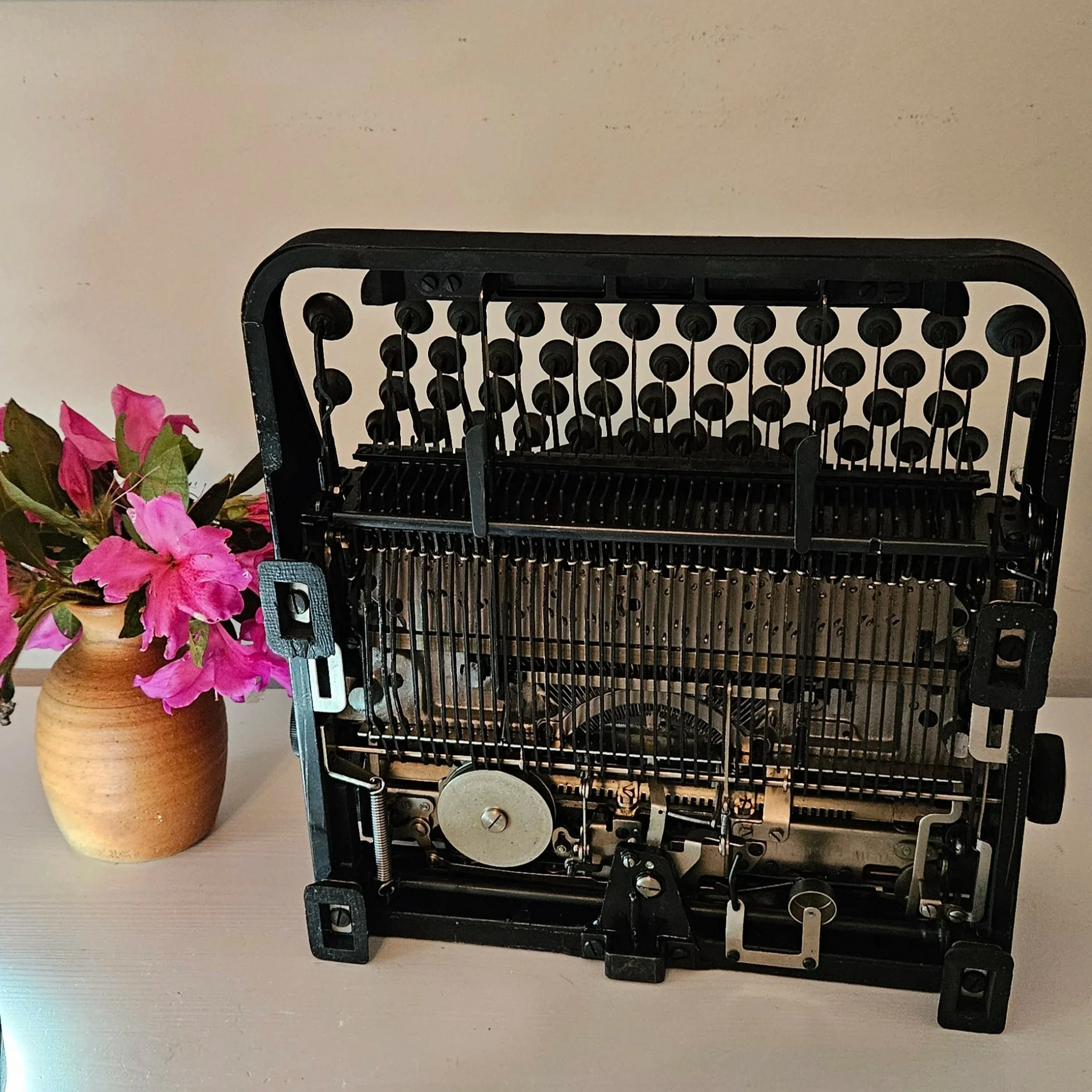
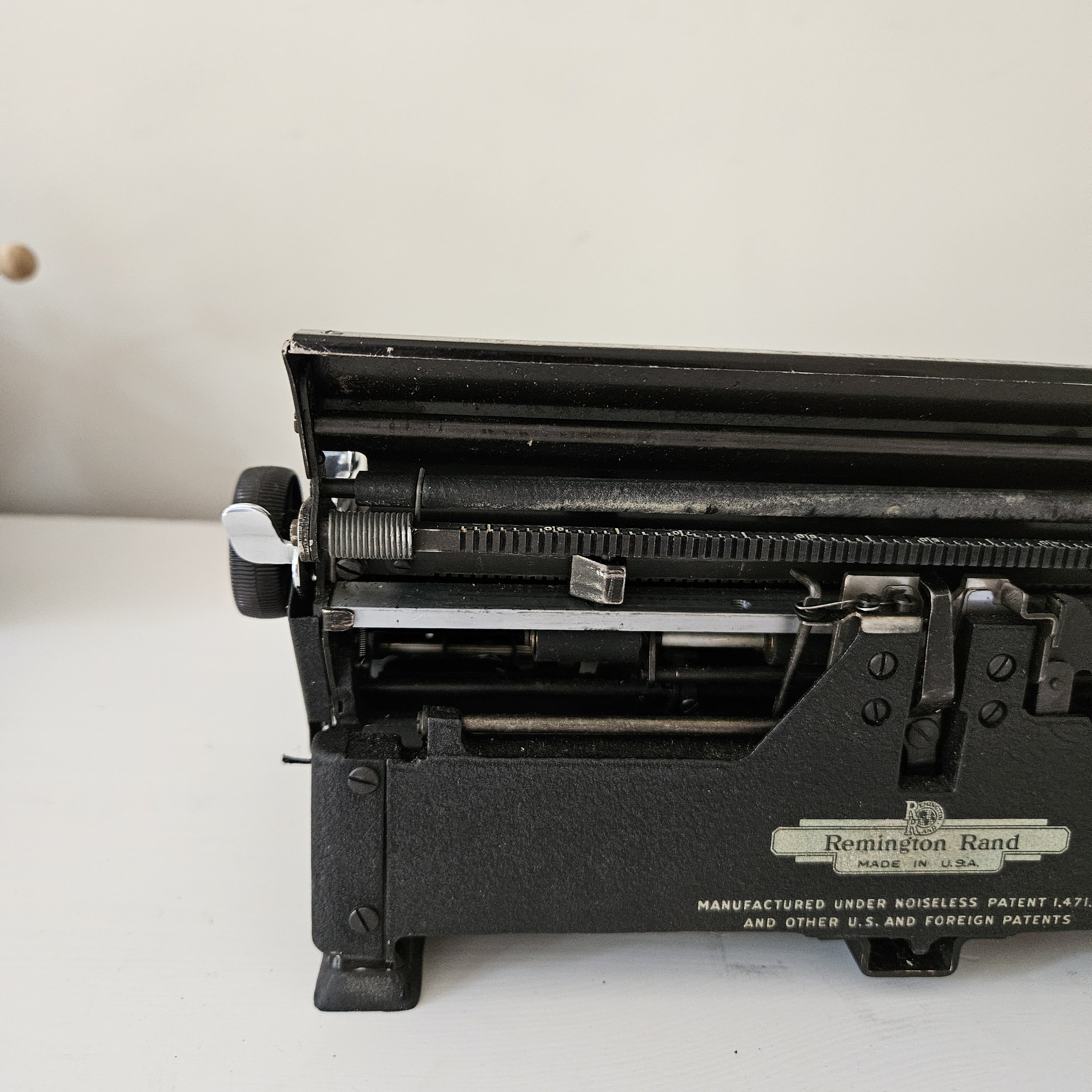
The Noiseless has a unique mechanism which catches the type bar before it smacks the platen. This, coupled with rubber bumpers at the top and bottom of the stroke, reduces the sound. It's not truly noiseless, but it is quieter than a conventional typebar typewriter—more of a thump than a clack.
If you want the sound of a typewriter, you’ll still get SOUND. ‘Noiseless’ is a little bit optimistic. ‘Quieter’ is more like.
Note: These machines sometimes print a little faintly due to the Noiseless mechanism. Even with new rubber. The trick is to use 2 sheets of paper or thicker paper with a nylon ribbon… or upgrade to a cotton ribbon (which we install on these by default)
Key Features
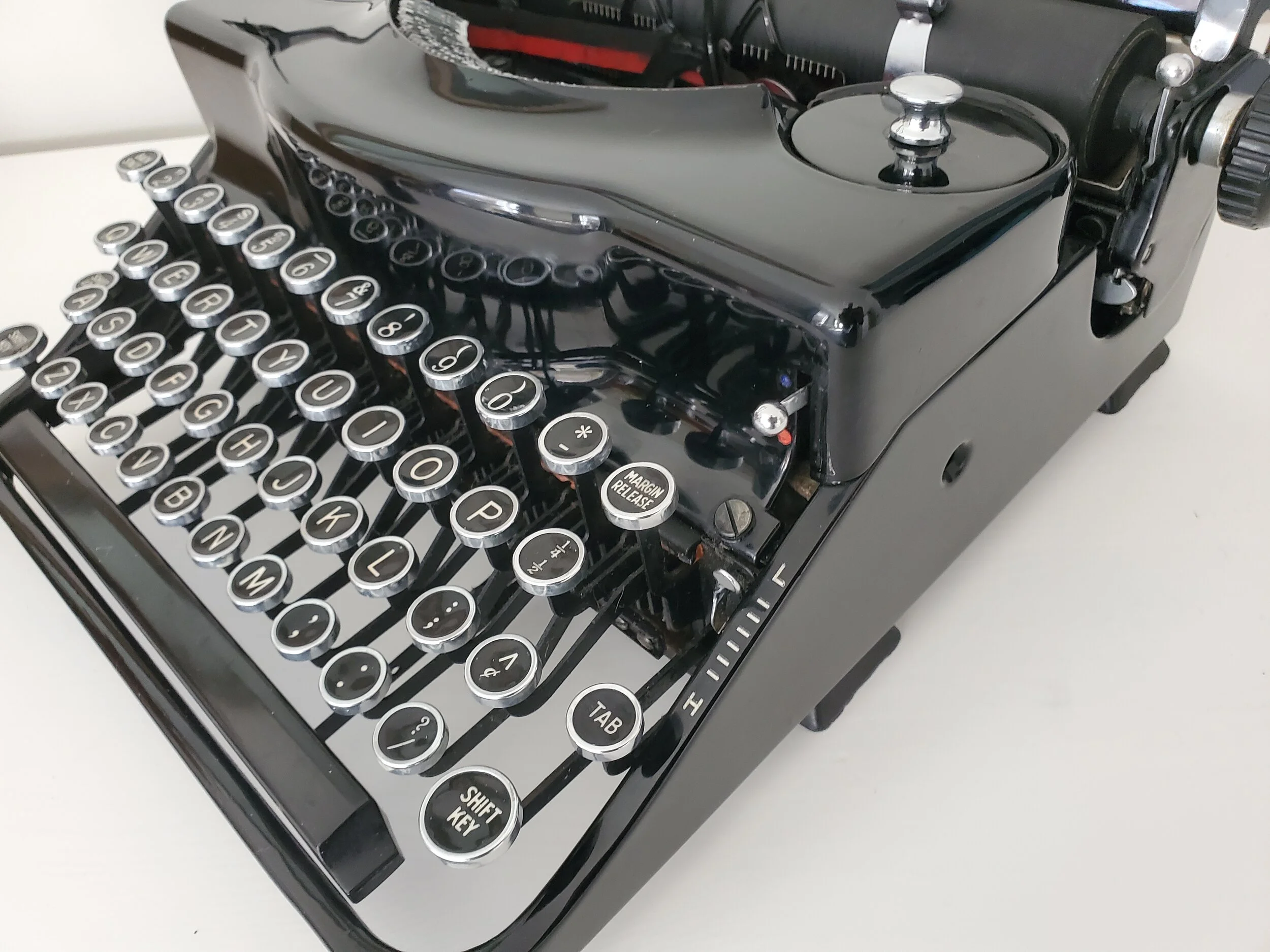
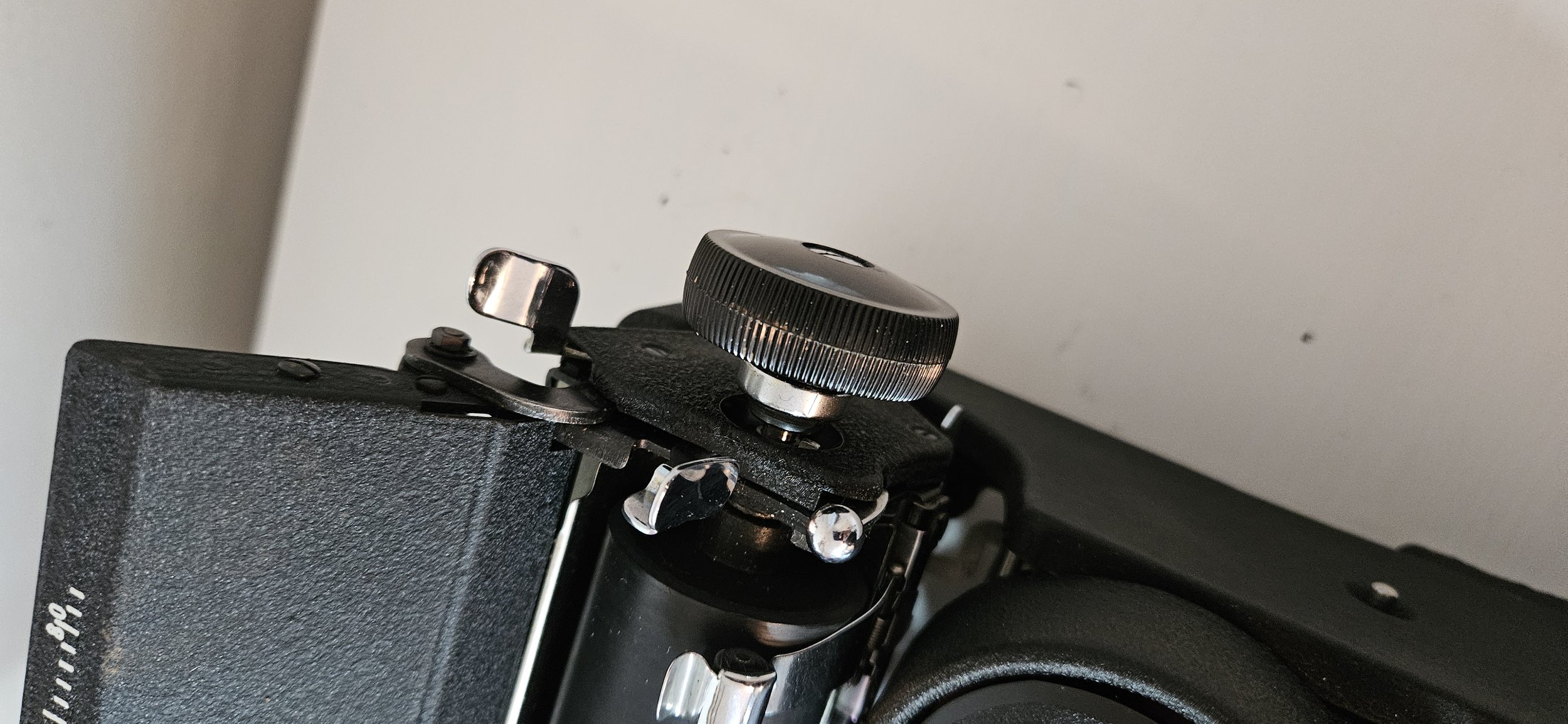
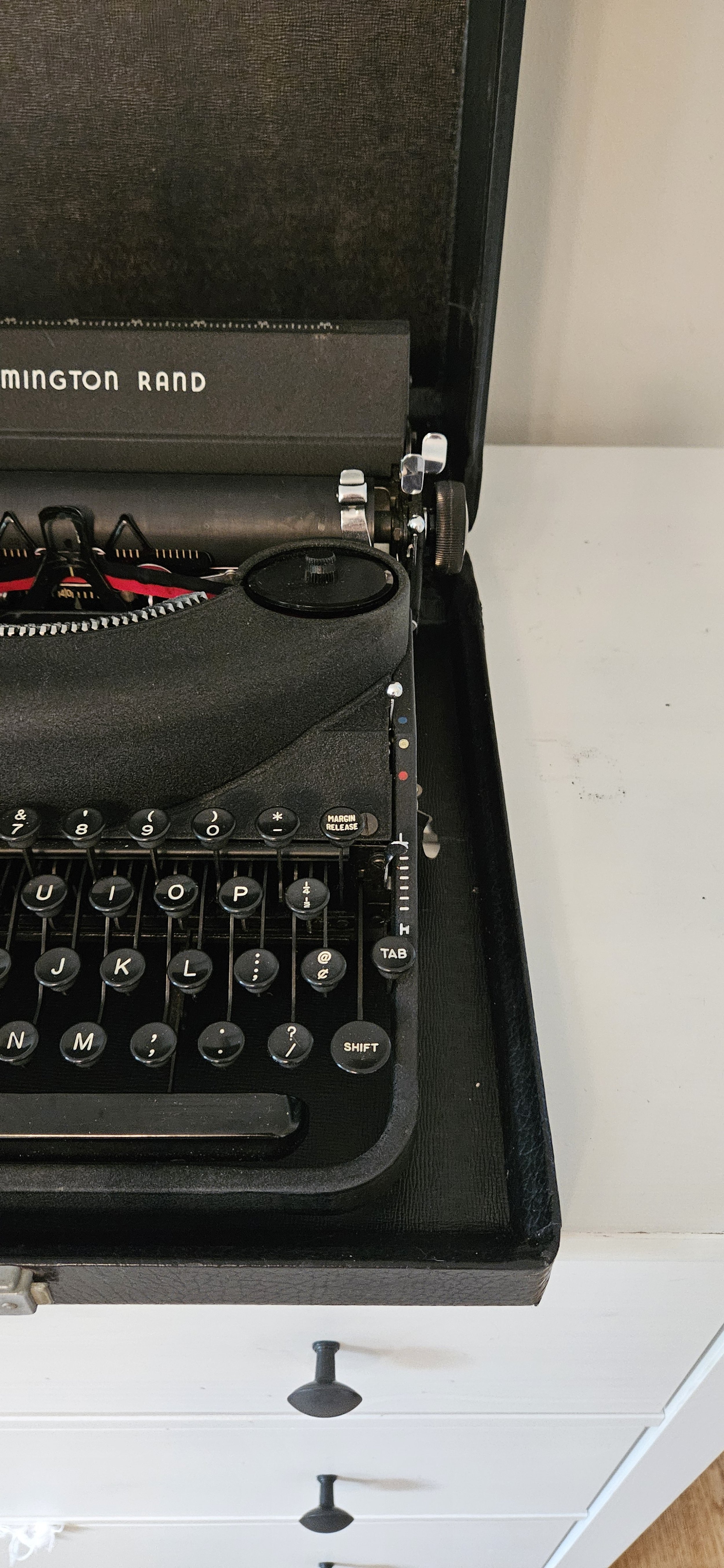
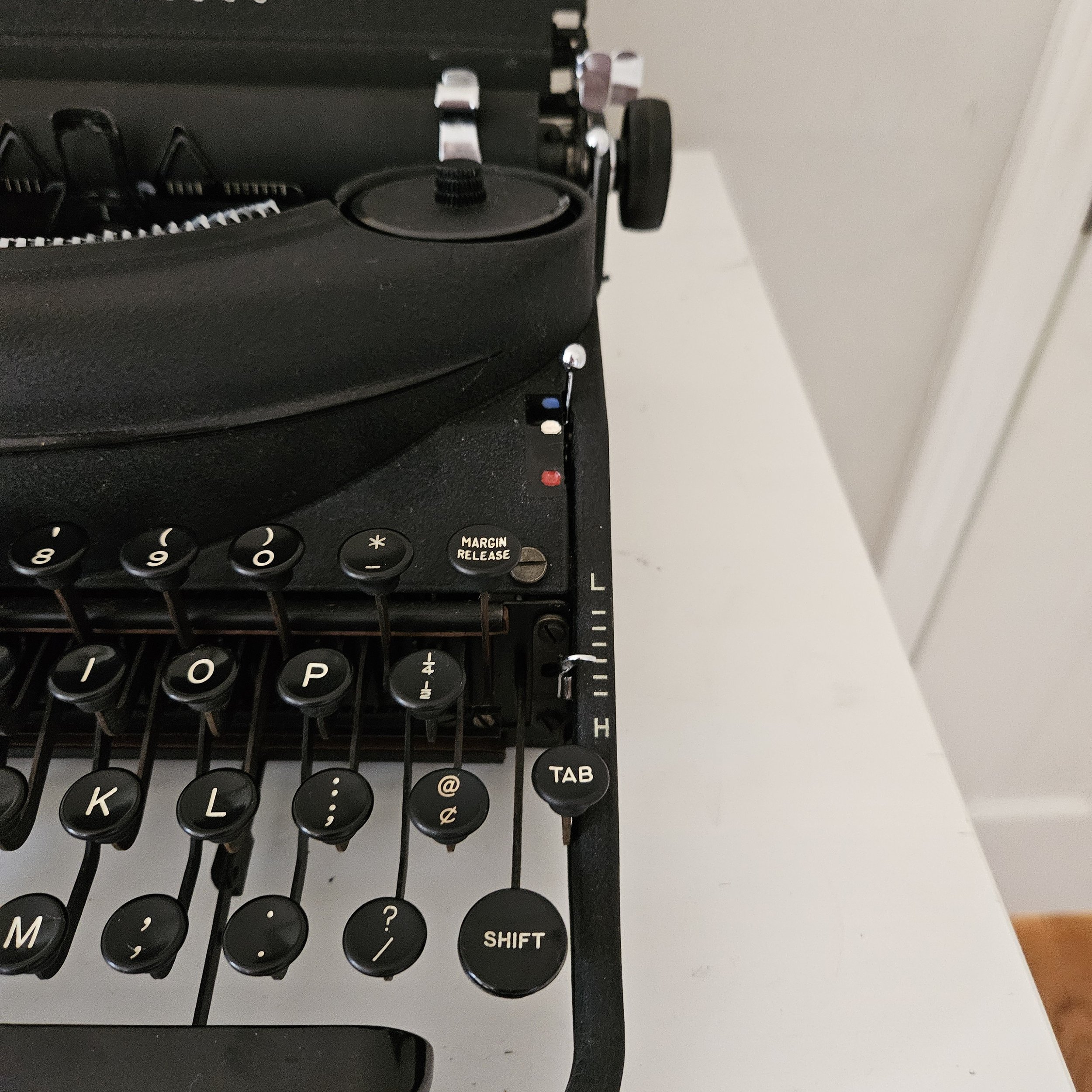
Single, 1.5, and double line spacing with indicators
Two-tone ribbon selector
Tabulator with keys set in the rear
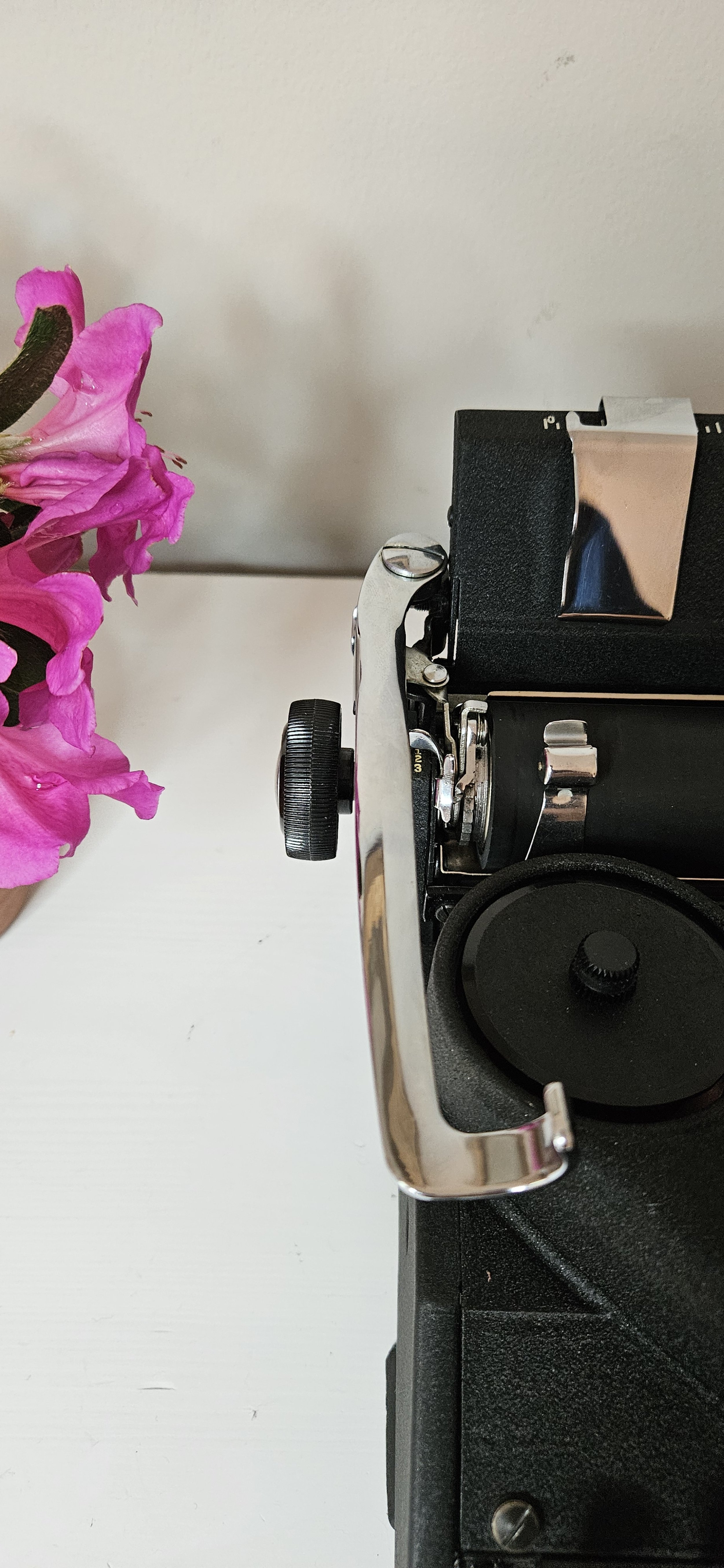
Large-diameter platen—sturdy and robust
Large feet provide a stable, quiet base
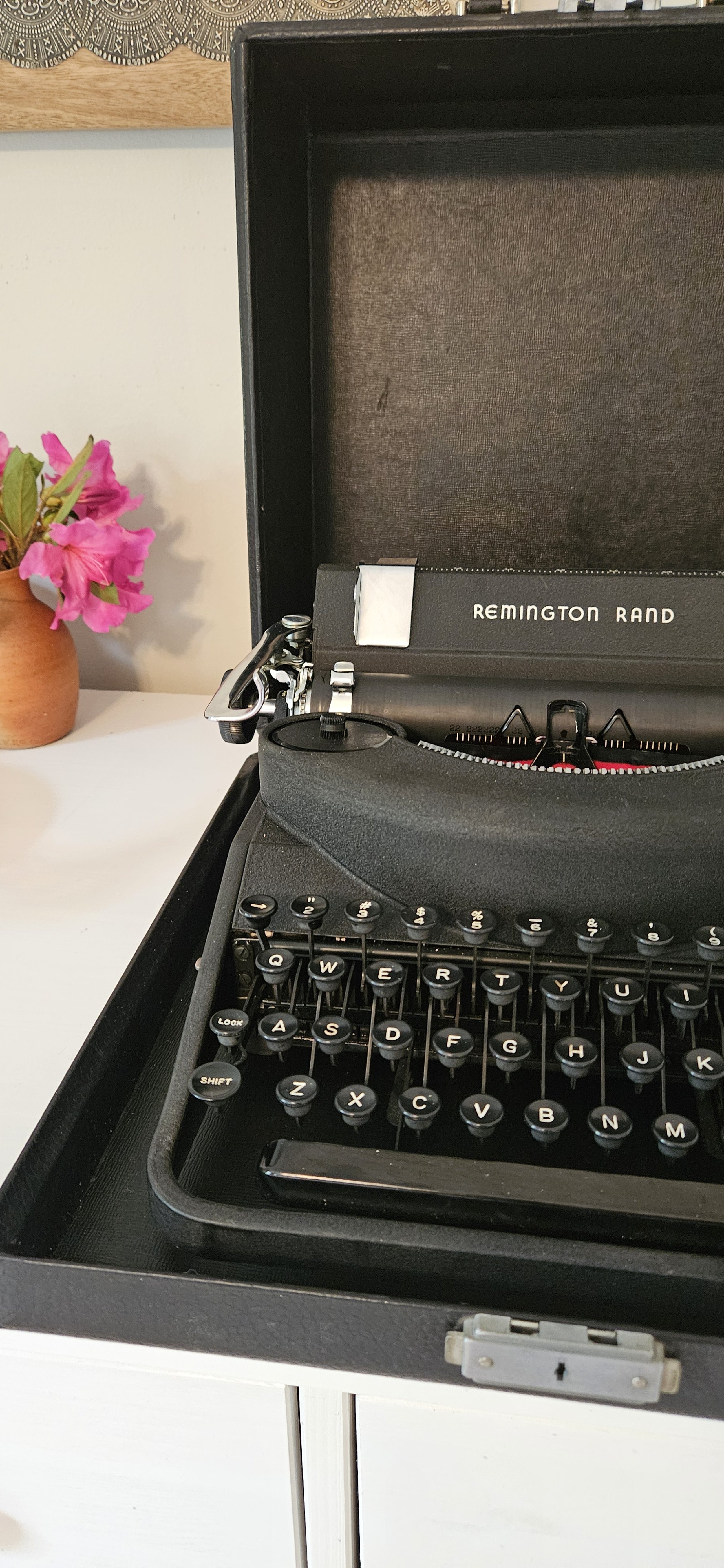
Round, ergonomic keys
Carriage shift
Carriage lock
Auto or manual ribbon reversal
End of line bell
Matte crinkle finish (later models); gloss black on earlier versions
Dimensions & Weight
Approximately 14" × 13" × 7" (with case). Weight: approximately 19 lbs with case.
All of the features work as designed, including:
Tabulator (with one key tab included... these are often lost).
2-tone Ribbon Selector
Single, 1.5, and double spacing with indicator
Carriage Lock
Auto or manual ribbon reversal
End of line bell
Fresh ribbon installed
Every Classic Typewriter portable includes:
The original case
A digital video tutorial with digital manual
Upgraded ribbon wound onto original spools
Please let me know if you have additional questions.
Most sincerely,
Steven Budden Jr.
Classic Typewriter Co.
Chapel Hill, North Carolina
WHAT SETS US APART
Our Promise | Warranty | Working Guarantee | Lifetime Tradein Policy
RESOURCES
PS. More history on the Noiseless Typewriter.
History of the Noiseless Typewriter
The Noiseless typewriter began to take shape in 1905 when Wellington Parker Kidder in Boston and Charles William Sponsel in Hartford, Connecticut, began a two-year, eight-patent collaboration to produce a "silent typewriter"—one which would operate "substantially without noise."
Kidder was already a legend in the typewriter world, having invented the Franklin (1891) and the influential Wellington, whose design was copied by manufacturers worldwide. Engineer George Gould Going was another key collaborator whose name appears on several original patents.
The Noiseless Typewriter Company was incorporated in January 1909, with a 168,000-square-foot factory in Middletown, Connecticut. Production began slowly, and the first commercial model—the Noiseless Model 4—went into full production in 1917. The Noiseless Portable followed in 1921, marketed as "Your Junior Partner." By 1922, demand forced the company to expand its workforce from 300 to 500 employees.
Success attracted attention. In March 1924, Remington merged with Noiseless to form Remington-Noiseless, a subsidiary of the Remington Typewriter Company. Kidder passed away just six months later. George Gould Going continued at Remington, receiving accolades for his contributions to noiseless typewriter development.
Remington also produced Noiseless typewriters under license for Underwood beginning in 1929—the machines were virtually identical except for the labeling. Noiseless portables sold well through the 1930s and 1940s, and noiseless standards continued to be manufactured until the 1960s.