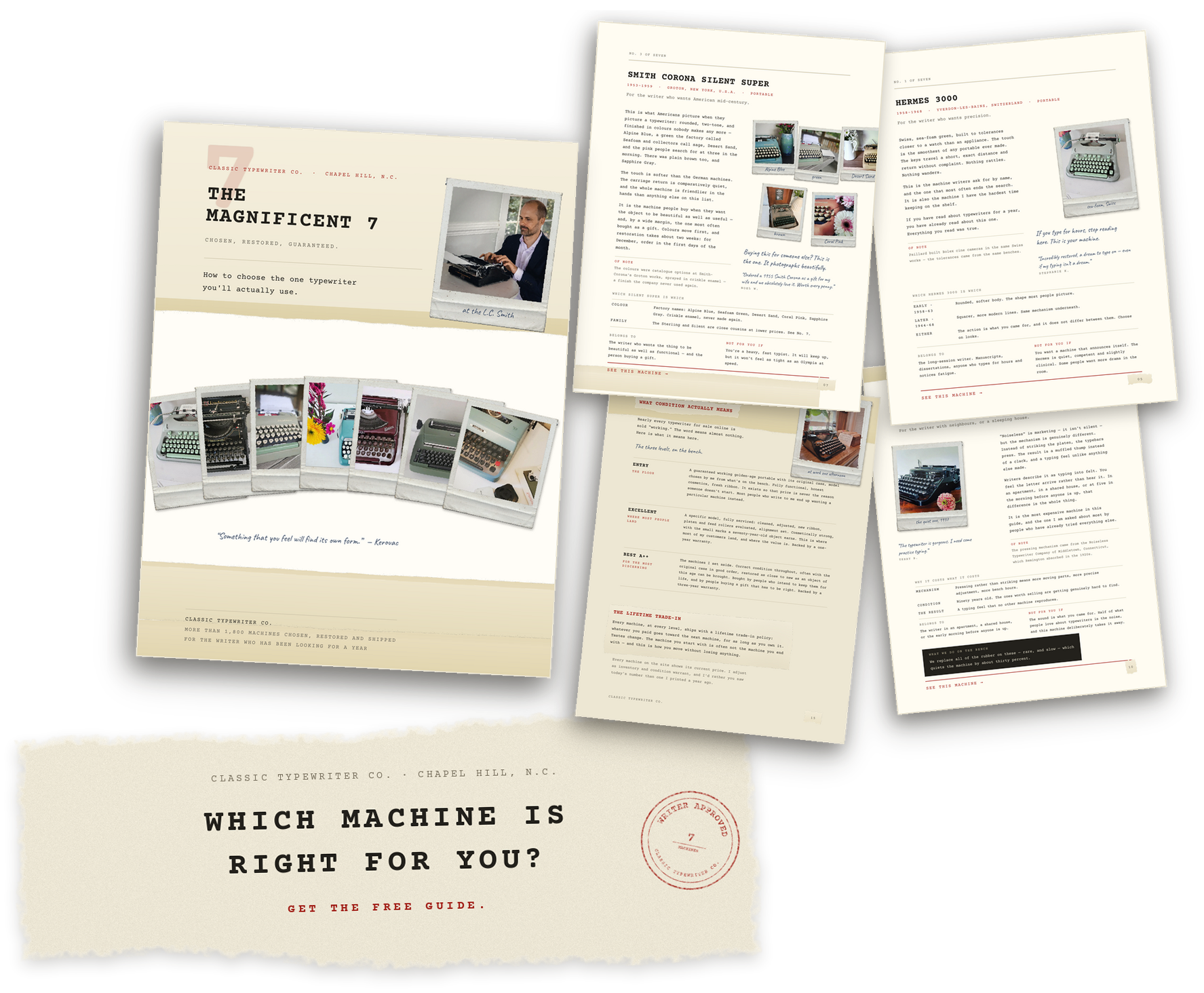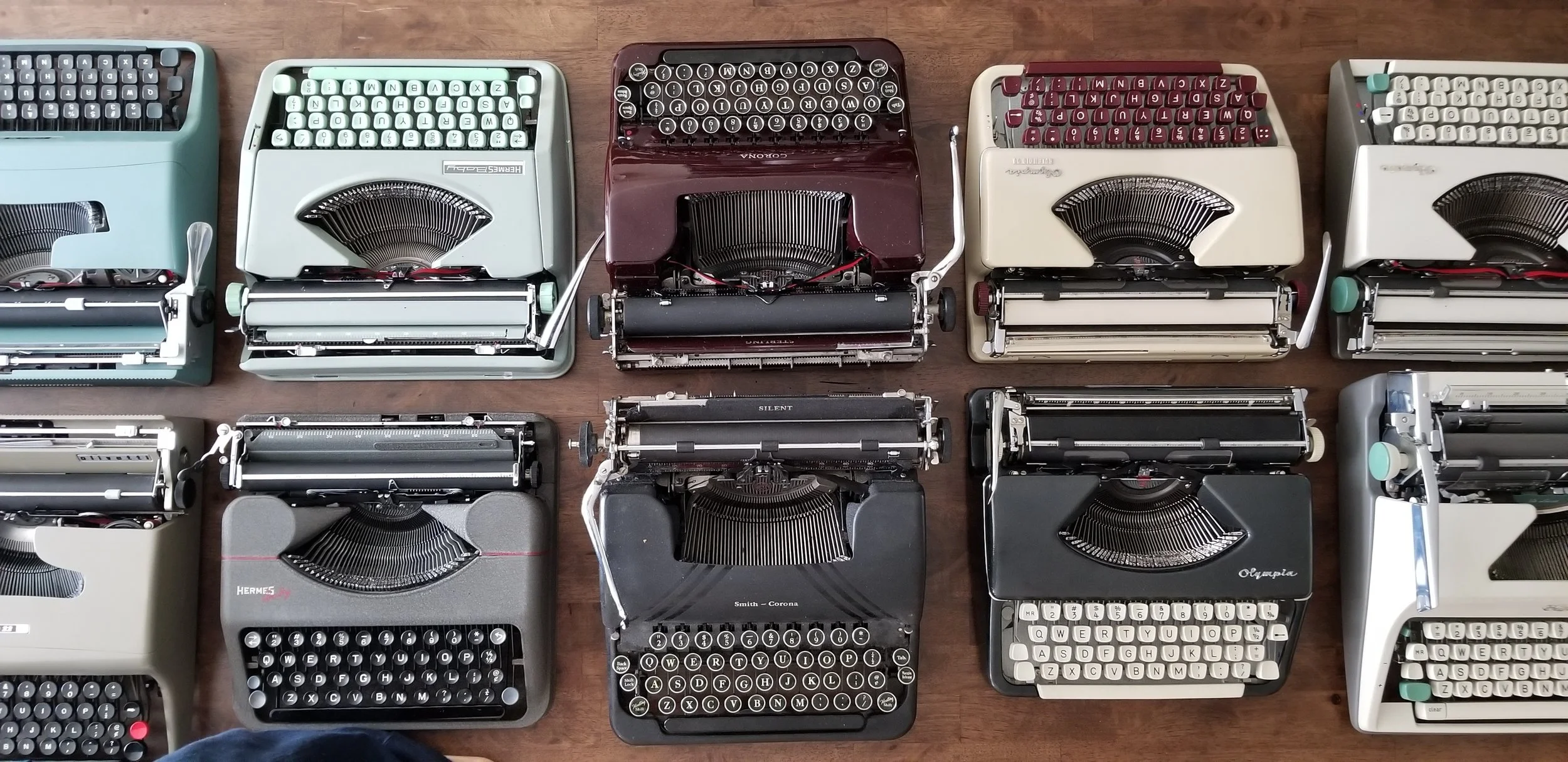
The Complete Guide to Buying a Vintage Typewriter - 2026
Last updated: Sept 3rd 2026
You typed something into a search engine looking for a vintage typewriter. Maybe you're a writer tired of staring at screens. Maybe you want something beautiful and mechanical on your desk. Maybe someone you love deserves a gift that lasts longer than a battery charge.
Whatever brought you here, I've been restoring and selling vintage typewriters for over a decade, and I've shipped more than 1,200 machines to writers, collectors, and gift-givers across the country. This guide contains everything I wish someone had told me when I started.
Why Writers Are Returning to Typewriters

The screens won. We carry them in our pockets, stare at them for work, and scroll through them before bed. And amidst this digital takeover, something unexpected is happening: writers are buying typewriters again. The pendulum swings the other way.
Not as decorations. As tools.
The reason is simple. A typewriter does one thing: it puts words on paper. It doesn't ping. It doesn't lure you into email or research. It doesn’t spy on you to sell your information or dog-ear you an infidel or dissident. It doesn't autocorrect your voice into something diluted.
When you sit down at a typewriter, you write. That's it. You write from the heart, the head, the soul. It’s YOUR writing.
I've received thousands of messages from customers over the years as they start to type. The theme is always the same:
I finally finished my book. I finally wrote that letter I'd been putting off. I finally sat with my own thoughts.
There's science behind this. The physical act of typing on a mechanical keyboard engages different parts of your brain than tapping glass. The permanence of ink on paper changes how you think about each sentence. The absence of a delete key teaches you to trust your first instincts.
In the journey, you’ll be forced to remember how to spell, how to use grammar, how to string thoughts together.
David McCullough, who wrote eleven books on a typewriter including two Pulitzer Prize winners, put it simply:
"I write with a typewriter because I like the feeling of making something."
But you didn't come here for philosophy. You came here to figure out which typewriter to buy.
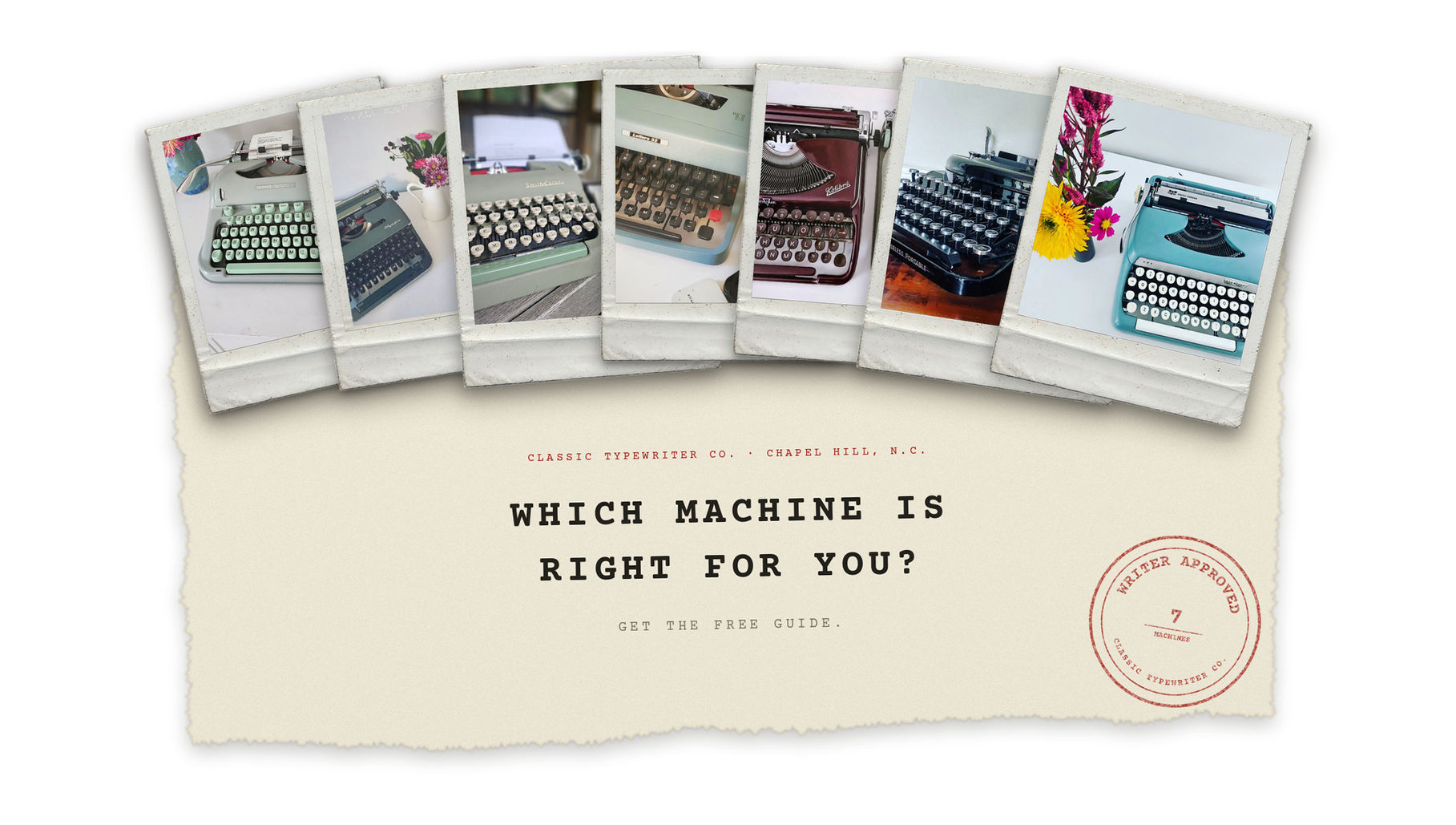
The Golden Age: Why Typewriters from the 1940s-1960s Are The Best (IMHO)
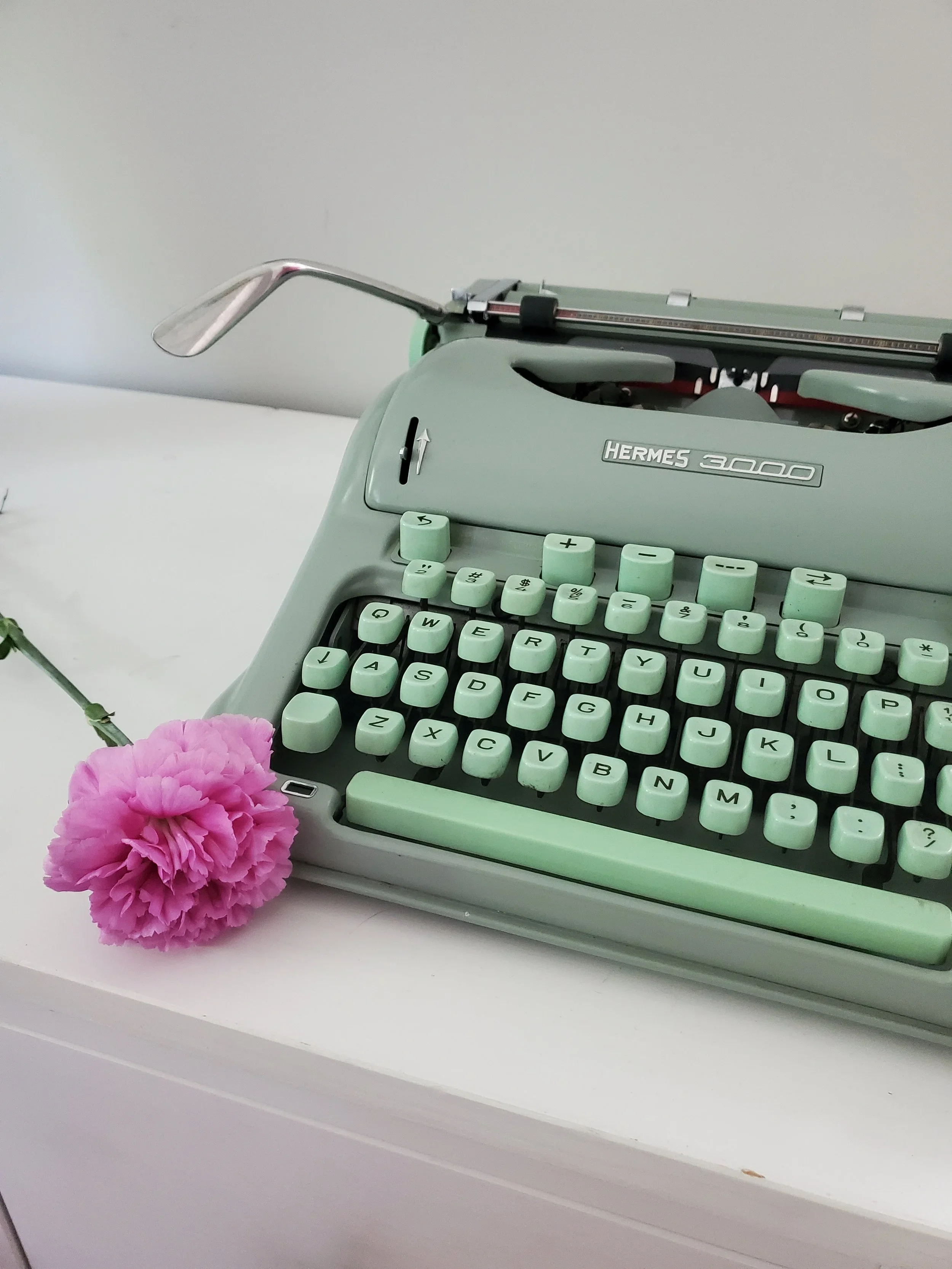
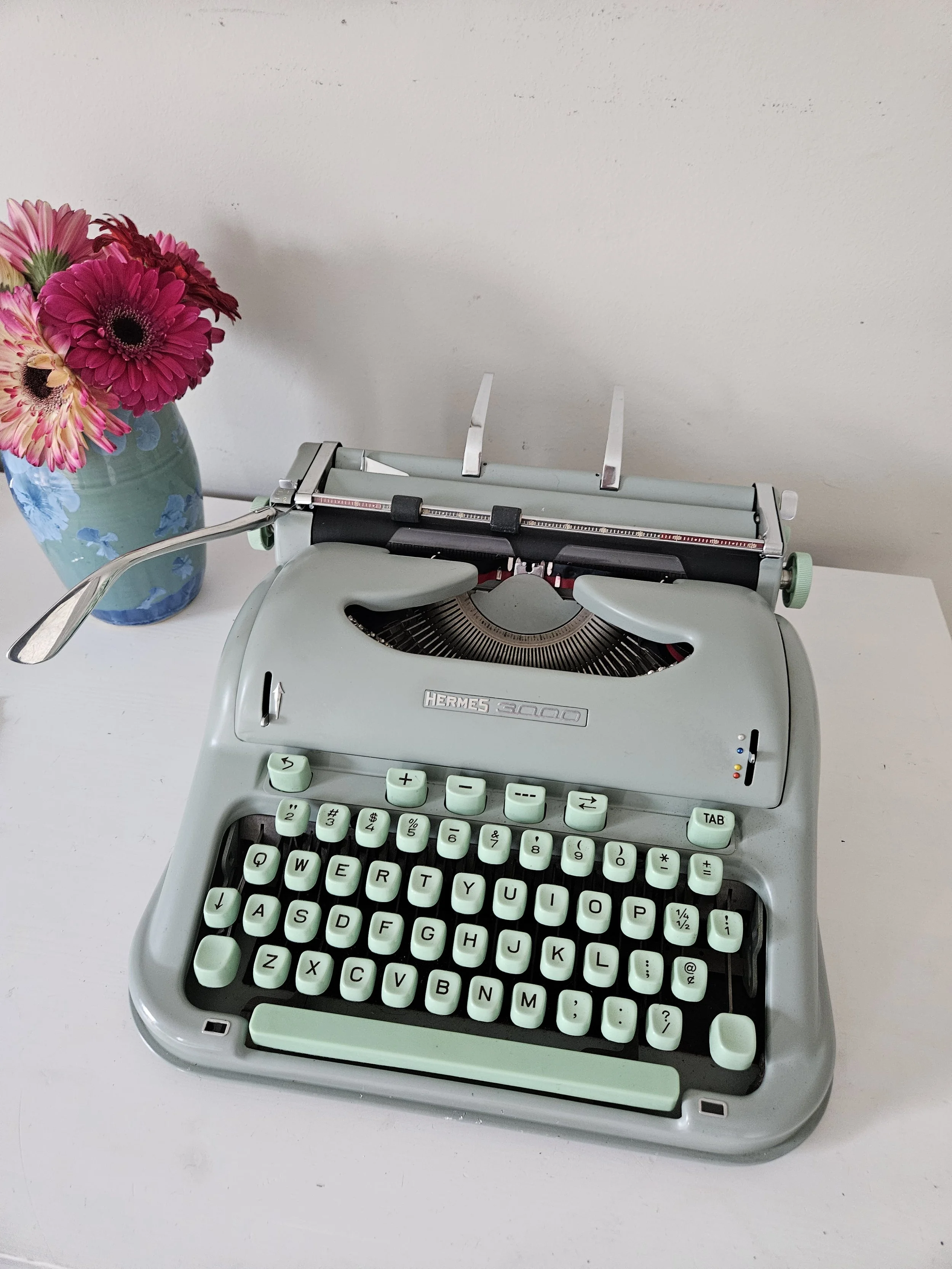
Iconic 1960 Hermes 3000 in notorious green with mint green keys.
Not all vintage typewriters are equal. The machines built between roughly 1937 and 1965 represent the pinnacle of typewriter engineering. Manufacturers had nearly a century of development behind them and no reason to cut corners. Earlier ones can be exquisite typing companions — they just need a little more work, maintenance, and piddling. Like driving to work in a Model T.
These machines were built to be repaired, not replaced. The metal components are stronger. The mechanisms are simpler. The tolerances are tighter.
A golden age typewriter is built from many hundreds of individual parts, and every one has a purpose. Every spring, lever, and pivot point was refined across decades of iteration. One missing screw out of hundreds can shut a machine down — which is why we track down parts and donor machines constantly to fill those gaps.
We rescue machines from the graveyards of mechanical obsolescence and put them on the desks of writers.
Planned obsolescence is a thing we're at war with, along with a few other small builders and makers.
Typewriters from the 1970s and 1980s often descend into the realm of convenience and plastic. They look similar but use cheaper materials, built as the age of word processors came into view. Plastic replaced metal. Shortcuts replaced craftsmanship. Earlier machines from the 1920s and 1930s can be beautiful, but the typing experience is often rougher — the engineers were still working out the kinks.
If you want a typewriter that types smoothly, requires minimal maintenance, and will outlast you, look for something from the golden age.
One exception: the Selectrics of the 1980s are the pinnacle of electric typewriter technology, in a bulletproof metal shell.

IBM Selectric II
This beauty comes from the coveted 7-million serial number batch. It's a 1984 Correcting Selectric II Dual Pitch with an iconic original red case from a 1974 machine.
These ran in parallel with the Correcting Selectric III, which uses a different type ball.
Manual vs. Electric: A Decision That Matters
This is the first question to answer: do you want a manual or electric typewriter?
Manual typewriters require your fingers to do all the work. You press a key, a lever rises, it strikes the ribbon against the paper. The sensation is deeply satisfying in a way that's hard to describe until you experience it.
The sound alone changes how writing feels. Each keystroke produces a specific mechanical percussion — the clack of the typebar hitting the platen, the subtle ring of the bell at the margin, the zip-chunk of the carriage return. Harlan Ellison wrote on nothing but Olympia manuals his whole career, and kept six office machines and eight portables. He said he couldn't use an electric because he typed too fast for it: two fingers, 120 words a minute, no mistakes.
Manuals require no electricity, produce no electronic hum, and have fewer parts to break. They're the typewriters that survived in attics and basements for fifty years and will still work — though they'll need a service to actually write.
Electric typewriters reduce the physical effort required. A motor assists each keystroke, making typing faster and less fatiguing. The IBM Selectric, with its famous golf ball type element, is the most sought-after electric typewriter ever made.
Electrics require power and have more components that can fail. But for extended typing sessions, or anyone with hand fatigue, they're often the better choice. Isaac Asimov wrote on an electric and published somewhere north of 500 books in his lifetime.
Most writers choose manuals. The mechanical connection between finger and page feels essential. But there's no wrong answer.
Selectrics are heavy — forty pounds at least, and bulky to handle. A manual portable carries easily in its case. No cords to drag. Still 20 pounds or so, unless you get into the ultra-portable realm.
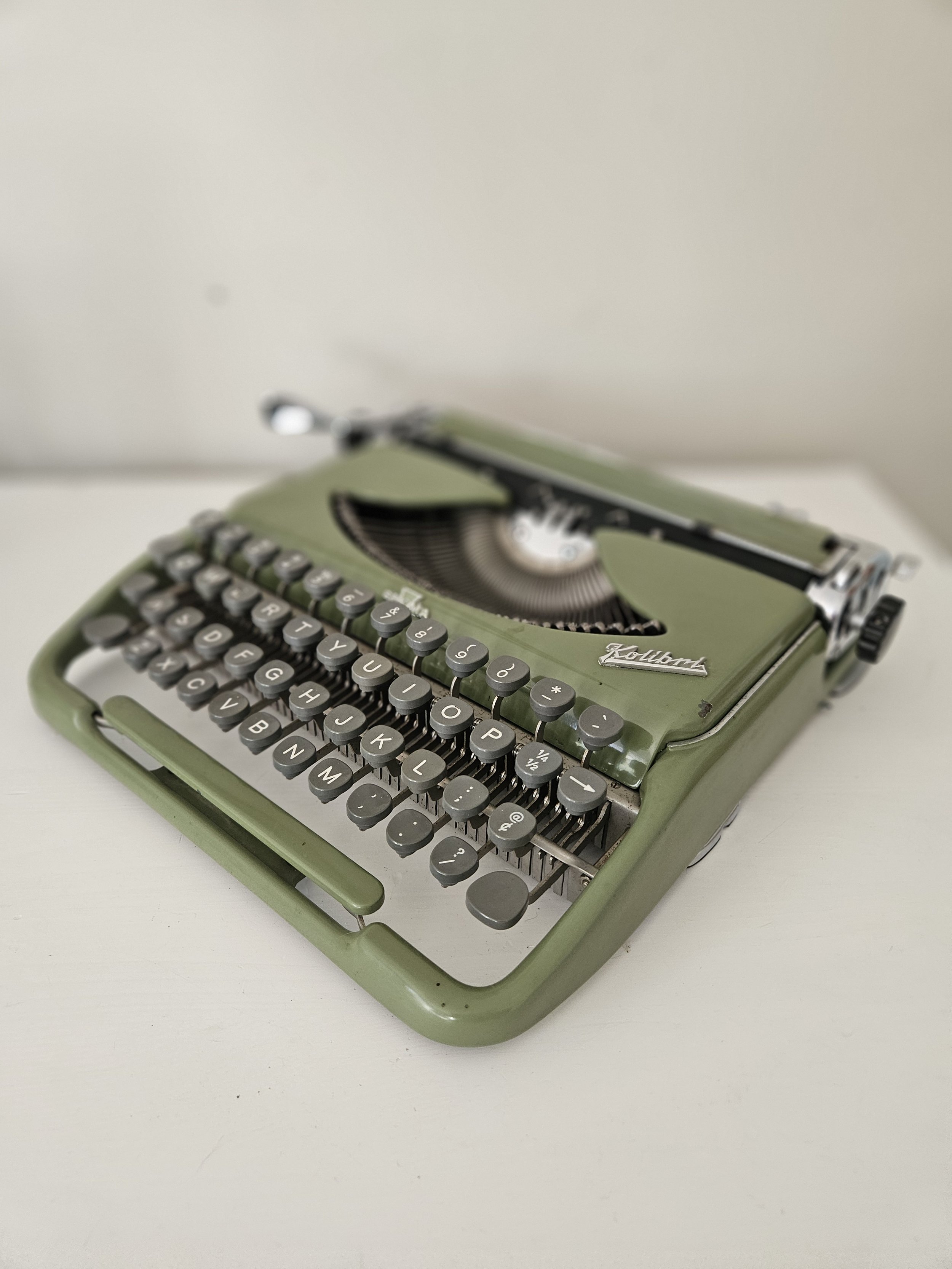
Groma Kolibri
One of the more sought-after ultra-portables — flat enough to slide into a briefcase.
Somewhat rare in good condition with a US keyboard layout.
Portable vs. Desktop: Understanding the Tradeoff
Typewriters come in two basic forms: portables, which come with a case, and desktops, meant to stay in one place.
Portable typewriters typically weigh 10 to 15 pounds and come with a carrying case. They're the machines writers took to cafes in Paris and cabins in Vermont. Hemingway wrote on Royals. A portable can live on a bookshelf when not in use and come out when inspiration strikes.
The best portables from the golden age type as smoothly as any desktop. The Hermes 3000, Olympia SM series, and Olivetti Lettera 32 rival machines twice their size.
Desktop typewriters are larger and heavier — 30 to 50 pounds or more — and typically stay on a dedicated desk. They often have longer carriages for wider paper, heavier frames for stability, and more substantial key action. The weight itself becomes an advantage: the machine doesn't move when you're typing fast.
They're also riskier to ship. Whenever I buy one from an uninformed online seller, it arrives half poking out of the box. The sheer weight makes for a bumpy ride and flimsy boxes don't hold up. We use 250-pound load-tested double-walled boxes with eco-friendly packing we've refined for years.
If you have a dedicated writing space and want the most robust typing experience, a desktop makes sense. If you want flexibility, a portable gives up nothing.
Some machines bridge the gap. The Olivetti Studio 44 is a larger portable in a larger case, with a steadier feel than its little sibling, the Lettera 32.
The Underwood Standard, made across decades, is probably the most iconic desktop in history. You'll see Miss Lemon using one in the Poirot stories.
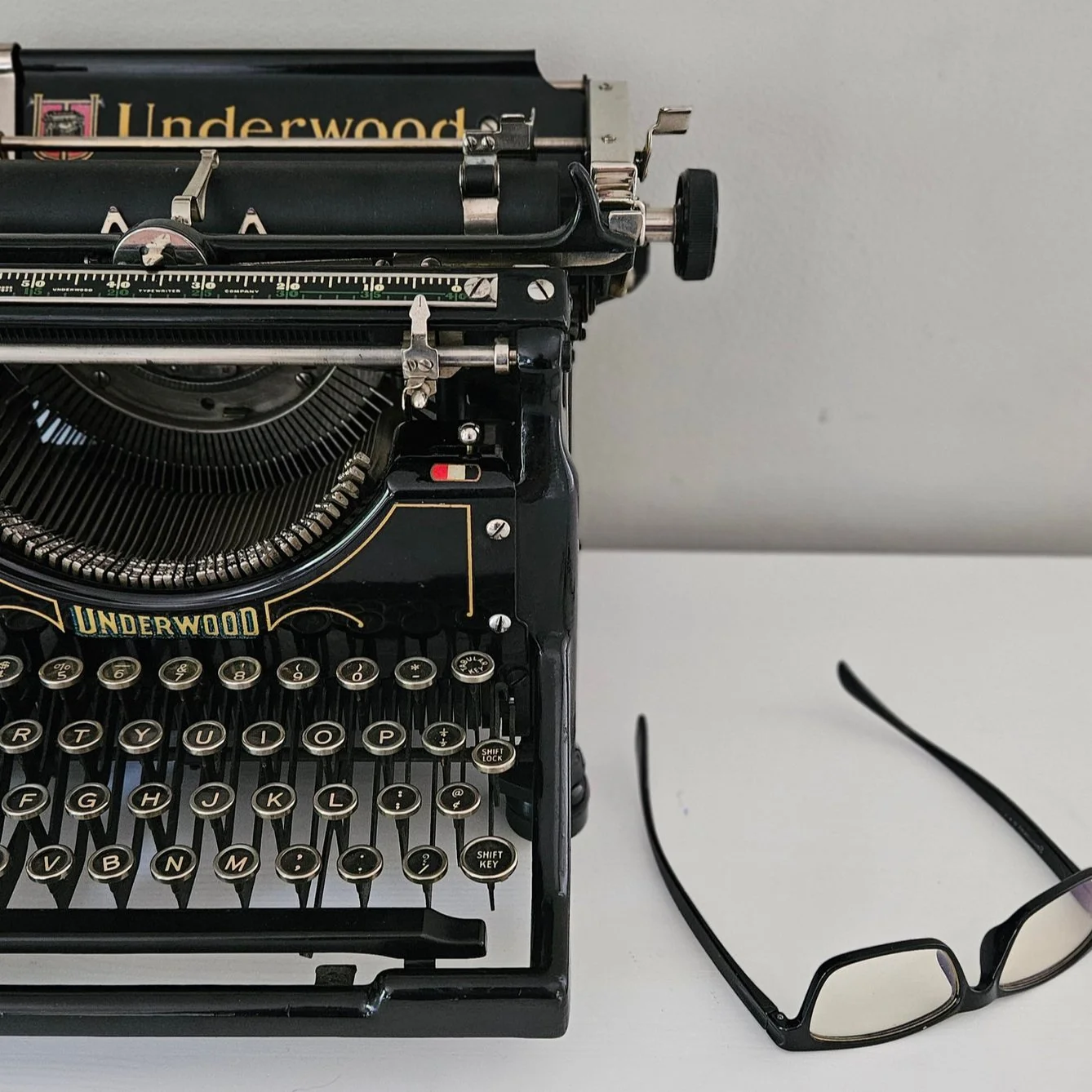
Underwood Standard No. 5
The classic desktop. A later model with a stunning build and robust features, circa 1937.
The Typeface Question
I rarely get questions about typeface, because most people don't think to consider it. Here's what surprises them: unlike a computer, you can't change a typewriter's font. Each machine has one typeface, permanently. The letters are cast in metal on the ends of the typebars. What you see is what you get.
This sounds like a limitation. It's actually a gift. You can't procrastinate for an hour choosing a font. You just write.
Every typewriter has its own voice. A Hermes 3000 types in a clean, uniform way that looks almost modern. An Olympia SM produces crisp, authoritative letters with sharp serifs. A Royal from the 1950s has a slightly rounded, friendly character. An Underwood Standard No. 5 types in that classic old-typewriter face you recognize from vintage documents, with slight variance letter to letter.
Writers often choose machines partly on how the letters land on the page. Some want crisp and professional. Others want that unmistakably vintage look — slightly uneven, full of character.
There's also pica versus elite. Pica types 10 characters per inch: larger, bolder letters. Elite types 12 characters per inch: smaller, fitting more words per line. Most vintage typewriters are pica. Elite machines exist but are less common. Neither is better.
There are exceptions to the fixed-typeface rule. The IBM Selectric uses interchangeable golf ball elements, so one machine can type in Courier, then Prestige Elite, then Script. Collectors accumulate dozens. Earlier, the Hammond used a swappable type shuttle — I have a 1923 with hundreds of typefaces available for it. IBM perfected the idea decades later with the type ball.
But for manual typewriters, the typeface is fixed, and that's part of what makes each machine unique. The slight variations in strike pressure, the specific letterforms, the particular way your machine prints the letter "e" — no one else's words look exactly like yours.
That's not a limitation. That's a signature.
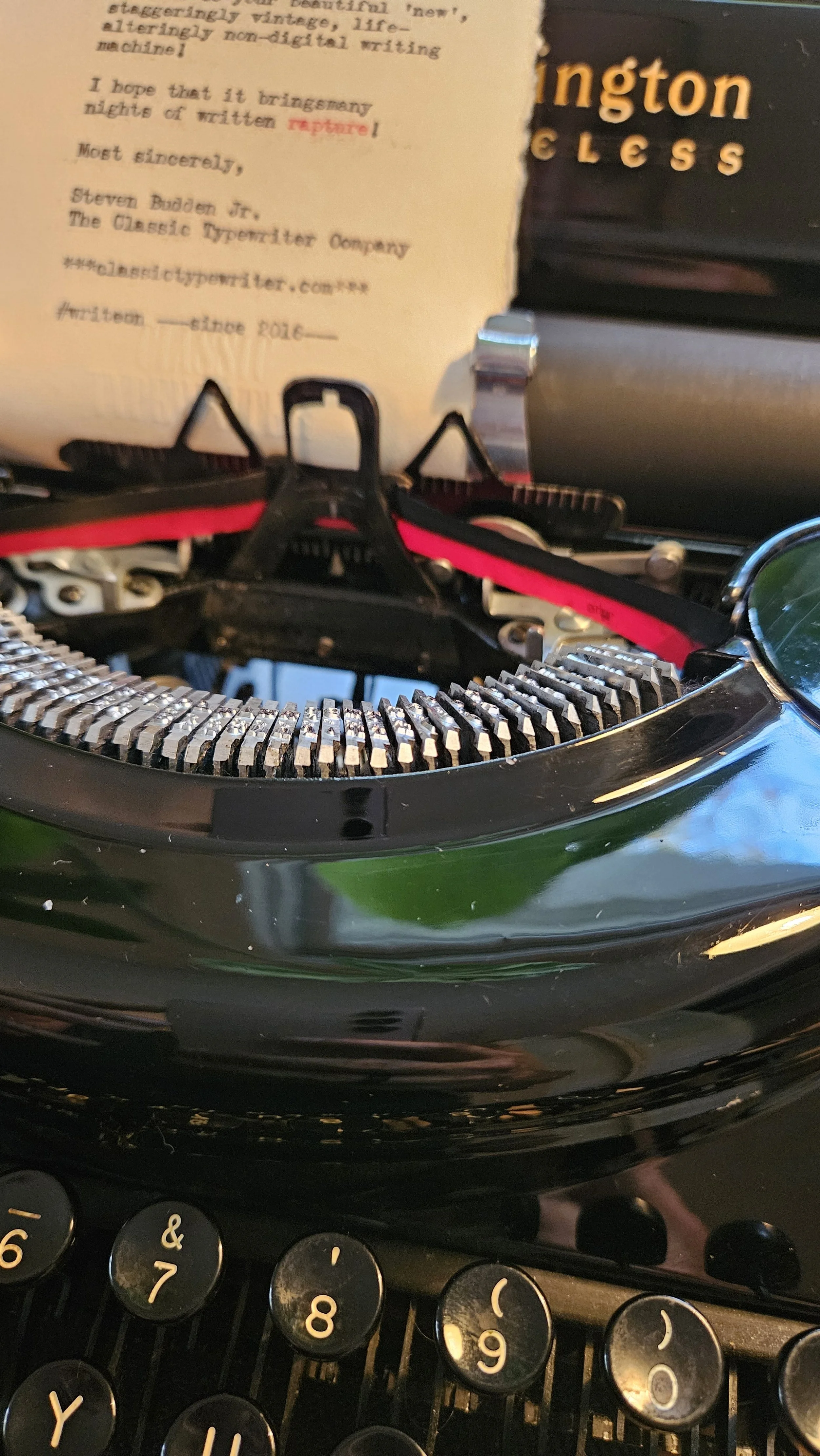
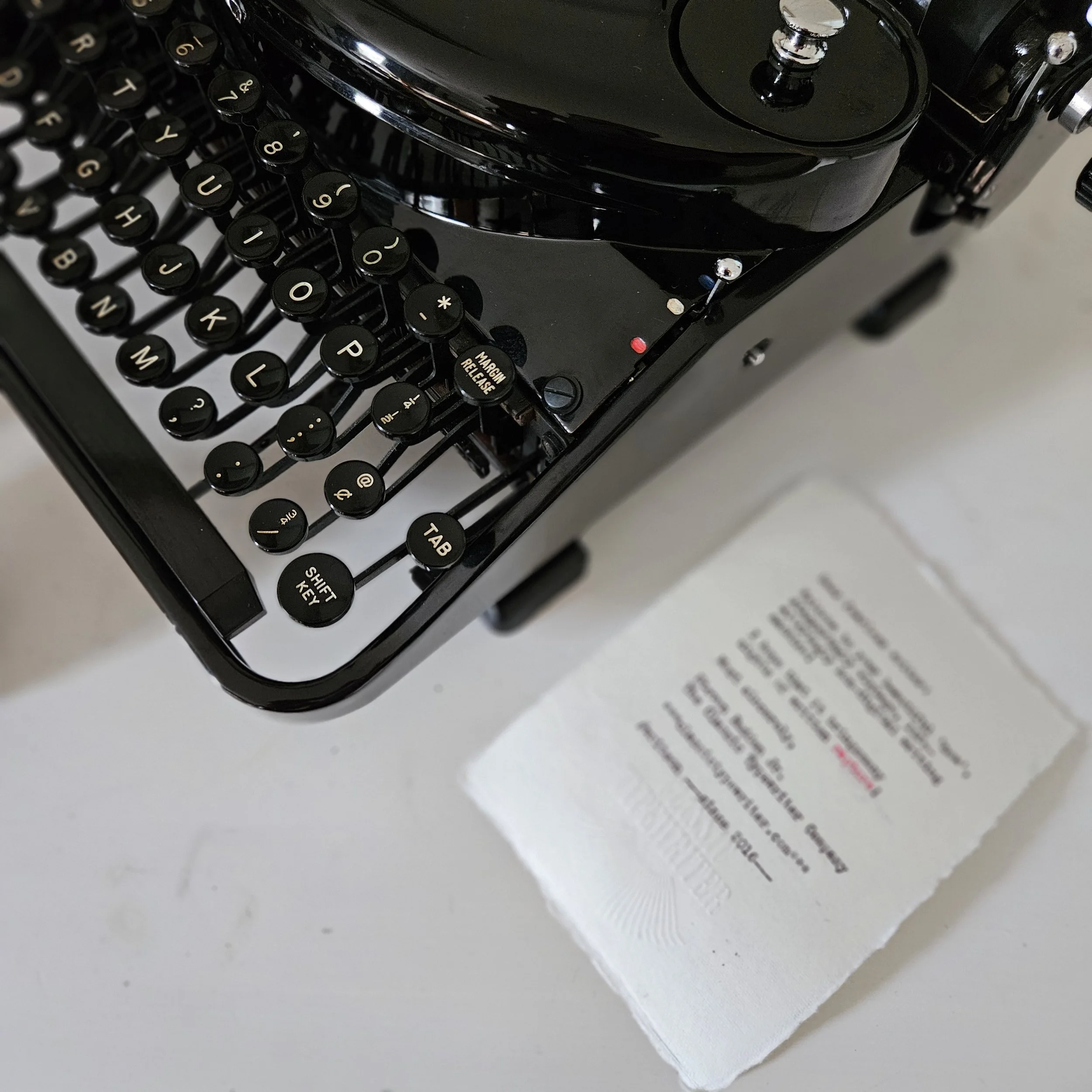
Understanding Typewriter Condition and Restoration
A vintage typewriter from eBay or an antique store is a gamble. These machines are 60 to 80 years old. Without proper service, most sit gathering dust with dried lubricants, stuck keys, and ribbons that stopped working decades ago.
The original oils have had six decades to turn thick and sticky. The rubber hardens and cracks. Dust settles into every crevice. The typeslugs are caked with ink. A typewriter that "worked when grandma used it" in 1975 has been sitting for fifty years since. Sometimes critical parts are missing and you can't tell by looking. Amateurs often work on these machines, render them useless, and sell them as-is — without mentioning the leftover parts.
Professional restoration means stripping the machine down, cleaning every mechanism, replacing worn parts, and adjusting dozens of settings. It's the difference between a machine that plunks out letters here and there and one that types page after page for decades.
Typewriters don't like sitting. The more you use them, the better they work.
When evaluating any vintage typewriter, ask:
Has it been professionally serviced?
Has the platen been recovered, or is it original?
What warranty or guarantee is offered?
A $200 typewriter that needs $600 in repairs is not a bargain — and finding a repair person is harder than it used to be. Until someone is deep in a machine, what it really needs is hard to say. A little screw or spring sitting in an attic somewhere may be what grandma's machine needs to run.
The Models Worth Your Attention
After a decade of restoring these machines, certain models have proven themselves repeatedly. These aren't the only good typewriters, but they're the ones I'd recommend without hesitation.
Hermes 3000 (Swiss, 1958-1979)
The Hermes 3000 might be the most beloved typewriter ever made. Swiss engineering meets elegant design in a machine that types like a dream. The action is light, the alignment is precise, and the distinctive seafoam green-gray body has become an icon.
The carriage glides on ball bearings. The margin release has a satisfying click that collectors recognize instantly.
Accepting his Golden Globe for Brokeback Mountain in 2006, Larry McMurtry thanked his typewriter — a Hermes 3000, which he called one of the noblest instruments of European genius. It had kept him, he said, thirty years out of the dry embrace of the computer. He owned more than a dozen of them.
Tom Hanks, who has collected typewriters for decades, owns a Hermes 3000 among more than 250 machines.
It's the typewriter people upgrade to and never leave.
How to Use Hermes 3000 - Video Guide
Olympia SM Series (German, 1950s-1960s)
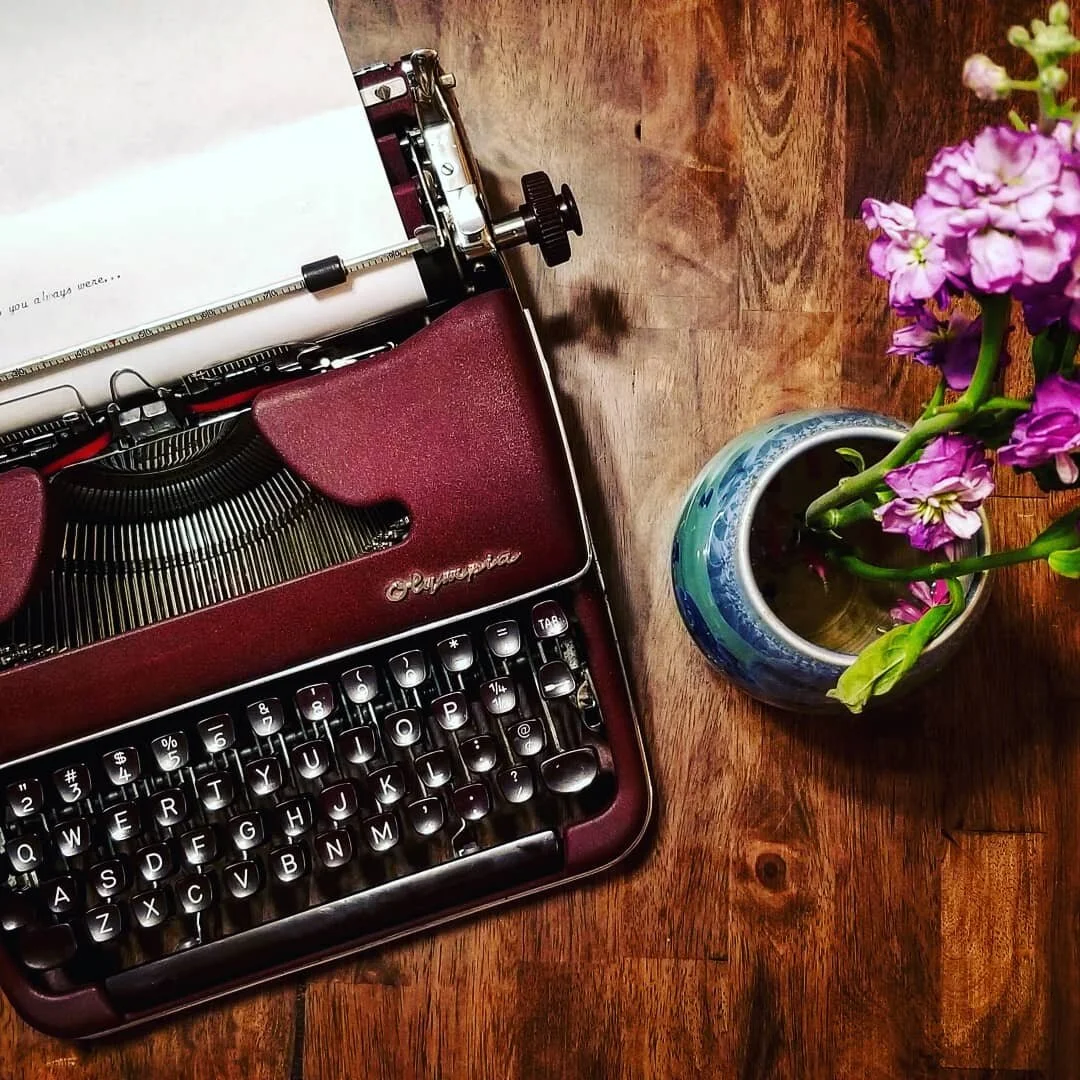
German precision engineering defines the Olympia SM series. These machines are tanks that happen to type beautifully. The SM3, SM4, and SM9 all offer exceptional quality with slightly different features.
If you want a typewriter that your grandchildren will use, an Olympia SM3/4 is hard to beat. The crinkle paint ages beautifully and can look "shiny and new" for decades. They used high-quality chrome that resists pitting and rust. Though millions of these were made, they still possess the intricate details that express "quality over quantity."
(I sell these in one listing, because they are so similar; I’d encourage you to go for ‘best quality or finest condition’ instead of specific model between those 2).
Definitely have that "forever" quality, as in they were designed to be a lifetime investment, made once. If only contemporary companies would learn from their example. The silver-colored formed plywood case is iconic as well.
We offer a few of these:
How to Use Olympia SM3 - Video Tutorial
Olivetti Lettera 32 (Italian, 1963-1984)
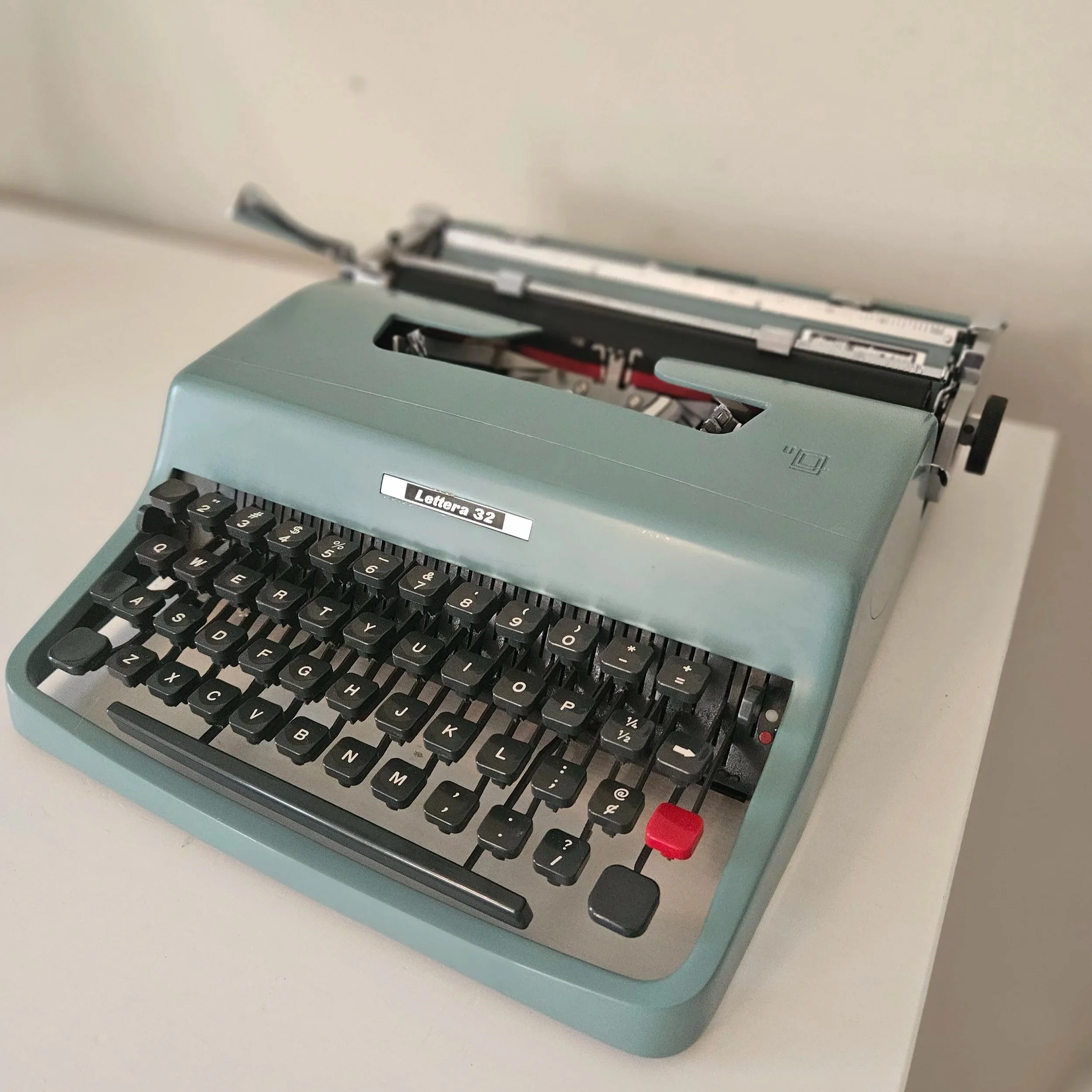
This beauty came out of Italy in the 1960’s. These were also made in a few other countries. They come in a soft zippered case. The zipper is often lost to time but we do the best we can.
The Lettera 32 was designed by Marcello Nizzoli and remains a masterpiece of industrial design. It's one of the most portable serious typewriters ever made and types with surprising authority for its size.
The Lettera 32 is visually iconic and historically rich, having passed over the desks of Leonard Cohen, Bob Dylan, Thomas Pynchon, Cormac McCarthy, and others. I've used one to great effect as well.
Cormac McCarthy wrote most of his novels on an Olivetti Lettera 32. All the maintenance he claims to have done, after millions of words, was to blow the dust out with an air compressor. When his original Lettera was auctioned in 2009, it sold for $254,500—making it the most expensive typewriter ever sold. If it's good enough for Blood Meridian, it's probably good enough for your memoir.
When these are available, we have them here.
Lettera 32 - How to Use Typewriter - Video Guide

Steven Budden (me) typing on a Smith Corona Silent when I was a fruitarian and lived in a remote cabin in 2015.
Smith Corona Silent (4s to 5) (American, 1940s-1960s)
The Silent series offers excellent value from a trusted American manufacturer. These machines are plentiful, parts are available, and they type well. A Smith Corona Silent from the golden age is a fine first typewriter.
Fun fact: Smith Corona produced over 10 million typewriters in the 20th century. Many are still typing today.
These go from gloss (2s) => black crinkle (4s) => brown => multicolored (5s) (Silent Super)
How to Use a Smith Corona Sterling - Video Guide
Underwood No. 5 (American, 1900-1930s)
The Underwood No. 5 is the typewriter you picture when you hear the word "typewriter." These large desktop machines defined the form and typed millions of documents through two world wars. At their peak, Underwood controlled 75% of the American typewriter market.
The No. 5 weighs about 25 pounds. The keys require more force than modern machines. The carriage return is a full-arm motion. Writing on one feels like operating industrial equipment—in the best possible way.
An Underwood on your desk is a statement. The typing experience connects you directly to a century of American writers.
When these are available, we have them here.
How to Use Underwood Number 5 Typewriter - Complete Video Demonstration

VERY iconic Selectric 72/72 (Selectric 1)
How to Use IBM Selectric 72 73 aka 1 - Video Tutorial
IBM Selectric (American, 1961-1986)
The Selectric revolutionized electric typing with its "golf ball" element. Instead of individual typebars, a single sphere rotates and tilts to strike each character. The mechanism is ingenious—the ball can position itself to any of 88 characters in 55 milliseconds—and the typing experience is unique.
IBM sold over 13 million Selectrics. The machine became so dominant in offices that many people born after 1970 think "typewriter" means "Selectric."
Selectrics require specialized service but reward their owners with fast, smooth typing and the ability to change fonts by swapping elements. Hunter S. Thompson wrote on a Selectric. So did most of corporate America.
When these are available, we have them here for the 2/3 and here for the ‘1’ (shown)
(These take a rare specialist to get right, and lack the correcting feature, bridging the cap pretty well from the old manuals to electric.
How to Use an IBM Correcting Selectric II - 1984 - Video Tutorial
What to Expect from Pricing
Vintage typewriters span a wide price range depending on model, condition, and whether they've been professionally restored.
Unrestored machines ($0-500): These are project machines or decorations. Expect issues. Some can be made to ‘work’ at a lower standard with cleaning and a new ribbon. Many cannot without professional service. (I’ve gotten them for $15 (a Lettera 32 that also came with a crutch and a chair) and for $1500 (Maroon Silent and some Hermes 3000s). For us it is a little less risk because our techs can fix almost anything. Though that Maroon Silent needed 6 hours to even work.
Mostly, we recommend a WORKING machine so that you can use it to create your lifetime literary work without worrying about how many techs are still extant.
Here it is in all glory:
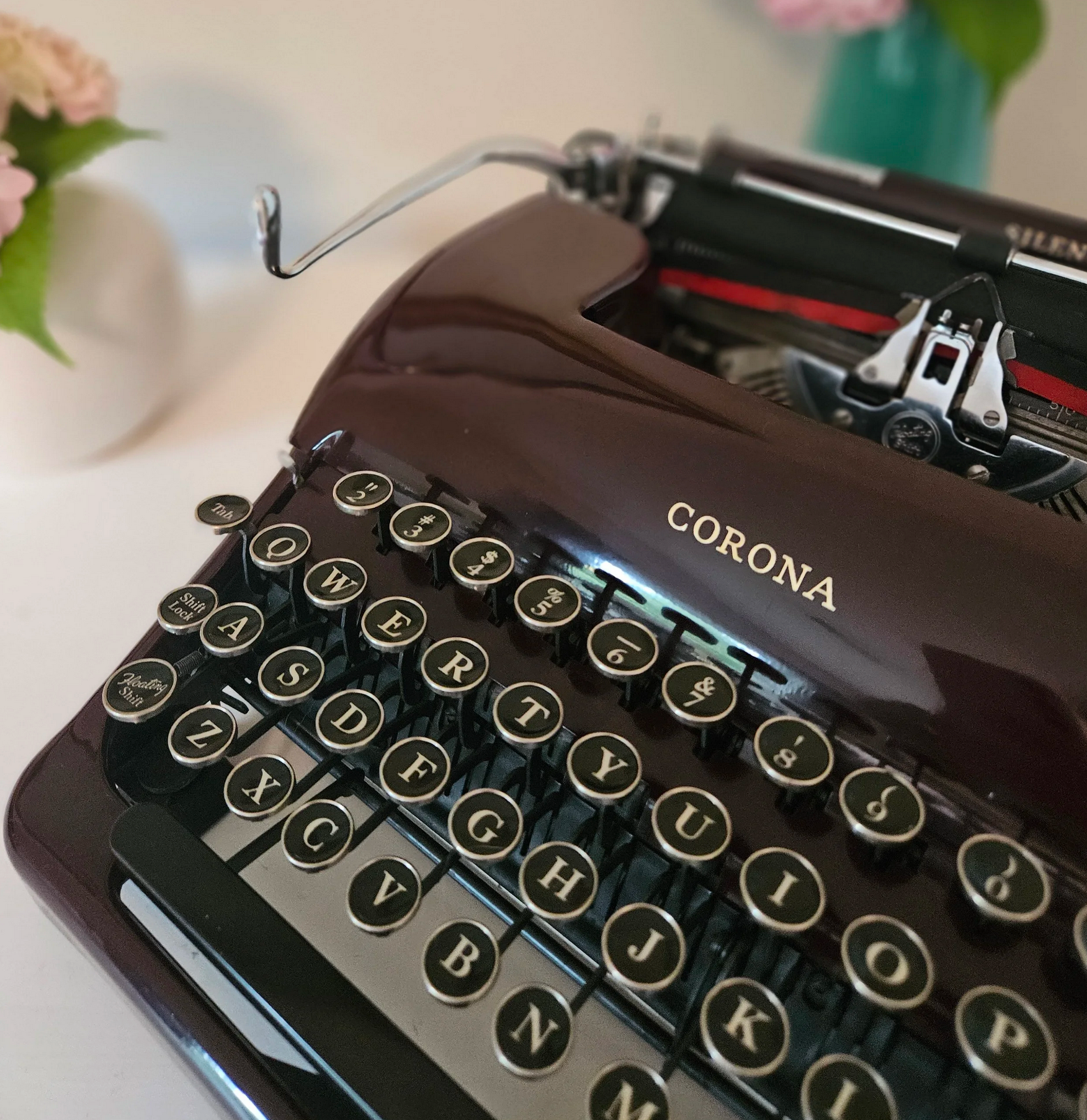
1935 Corona Sterling 2s (When these are available we have them here… most don’t fit our standards)
How to Use a Corona 1937 2s Typewriter. Video Tutorial
Entry-level restored ($500-700): A working typewriter from a reputable restorer with a guarantee. Perfect for someone who wants to try typewriting without major investment.
Mid-range restored ($1,000-1,800): Premium models professionally restored with attention to cosmetic detail. These are the machines serious writers choose.
Collector-grade restored ($2,200-3,000+): Exceptional examples of the best models, meticulously restored with extended warranties. Machines in this range are investments as much as tools.
The difference between tiers isn't just cosmetics. It varies by model but… Higher-tier restorations typically include more thorough mechanical work, more exhaustive replacement of wear items like rubber, and longer guarantees. These prices have been refined for almost 10 years.
The Restoration Process: What Professional Service Actually Involves
A proper vintage typewriter restoration takes 2-3 weeks and involves:
Complete disassembly - Every component removed, labeled, and cleaned individually. On a Hermes 3000, this means removing and cataloging over 2,000 parts.
Mechanism cleaning - Removal of 60+ years of dried oils, dust, and debris from every pivot point and bearing. The original lubricants have turned to something resembling tree sap.
Parts replacement - New rubber feet, fresh ribbon, replacement of any worn springs or broken components. Springs lose tension over decades. Rubber petrifies.
Platen assessment - The rubber roller that holds paper deteriorates over time. Hard, cracked platens require replacement or reconditioning. A rock-hard platen won't grip paper properly and produces uneven type impressions.
Alignment calibration - Every typeslug adjusted for perfect strike alignment. There are 44 keys on most typewriters, each with upper and lowercase characters. That's 88 individual alignment adjustments.
Key tension adjustment - Each key balanced for consistent pressure across the keyboard. Your pinky shouldn't have to work harder than your index finger.
Carriage tuning - Smooth travel and proper margin settings.
Testing - Extended typing on multiple paper types to verify performance. A properly restored typewriter should feel effortless.
This is labor-intensive work that requires specialized knowledge. A restoration shop might work on thousands of machines before they've seen every variation of every problem.
Parts - Sometimes we also have to wait on rare parts from a variety of sellers.
Care and Maintenance: Keeping Your Typewriter Healthy
Vintage typewriters are remarkably low-maintenance when properly restored.
Here's what they need:
Keep them covered when not in use. A simple dust cover prevents the accumulation that gums up mechanisms. The enemy isn't use—it's dust. Use is the friend.
Use fresh ribbons - Old ribbons dry out and produce faint, uneven type. A new ribbon transforms how a machine writes. Universal ribbons fit most vintage machines and cost under $20. We have them here. (Most of the machines we sell use the ‘universal’ size).
Clean the typeslugs periodically. Ink builds up in letter impressions, especially on closed letters like "e," "o," and "a." A dry brush or specialized cleaner keeps type crisp. Some writers use a bit of poster putty pressed against the type face.
Don't oil anything unless you know exactly what you're doing. Modern lubricants can damage vintage mechanisms—they're often too thin and migrate where they shouldn't go. If your typewriter needs service, take it to a professional.
Type regularly. Typewriters in use stay healthy. The movement keeps mechanisms from seizing. Machines that sit for years develop problems.
That's really it. No updates, no subscriptions, no planned obsolescence.
Buying a Typewriter as a Gift
Typewriters make exceptional gifts for writers, creatives, and anyone who appreciates craft. But they're not like buying a book or a sweater. Here are considerations:
Allow lead time. Quality restored typewriters are often made-to-order. A 2-3 week window is typical.
Consider size. A portable with a case stores easily. A desktop requires dedicated space—and a sturdy desk.
Think about the recipient. A serious writer might appreciate a premium Hermes 3000. A curious beginner might prefer an entry-level machine to try before investing more.
Include supplies. A spare ribbon and some quality paper complete the gift beautifully.
The feedback I hear most often from gift recipients: This is the most thoughtful gift I've ever received.
Questions to Ask Any Typewriter Seller
Before purchasing any vintage typewriter, ask:
Has this machine been professionally restored or just cleaned?
What specific work was performed?
What warranty or guarantee is included?
What is your return policy if I'm not satisfied?
How long have you been restoring typewriters?
Reputable sellers welcome these questions. Evasive answers should give you pause.
Why Professional Restoration Matters
I understand the temptation to buy an un-restored typewriter cheaply and "see if it works." (It’s how I got my first few). Sometimes you get lucky. More often, you get a machine that types poorly, has hidden problems, or breaks within weeks. (I had to get 7 to get my first working one).
Typewriter repair specialists are rare. Most were trained decades ago and are retiring. Some have low energy and / or are unreliable or slow on the turnaround. Many of the newer generation ones don’t know how a typewriter is really supposed to work. The average age of a professional typewriter technician in America is over 70. Finding someone to fix a problematic machine can mean months of searching and untold dollars including travel.
A properly restored typewriter with a guarantee eliminates this risk. If something goes wrong, you have recourse. If nothing goes wrong—and with proper care, nothing should—you have a machine that will serve you for decades.
The old adage applies: buy once, buy well.
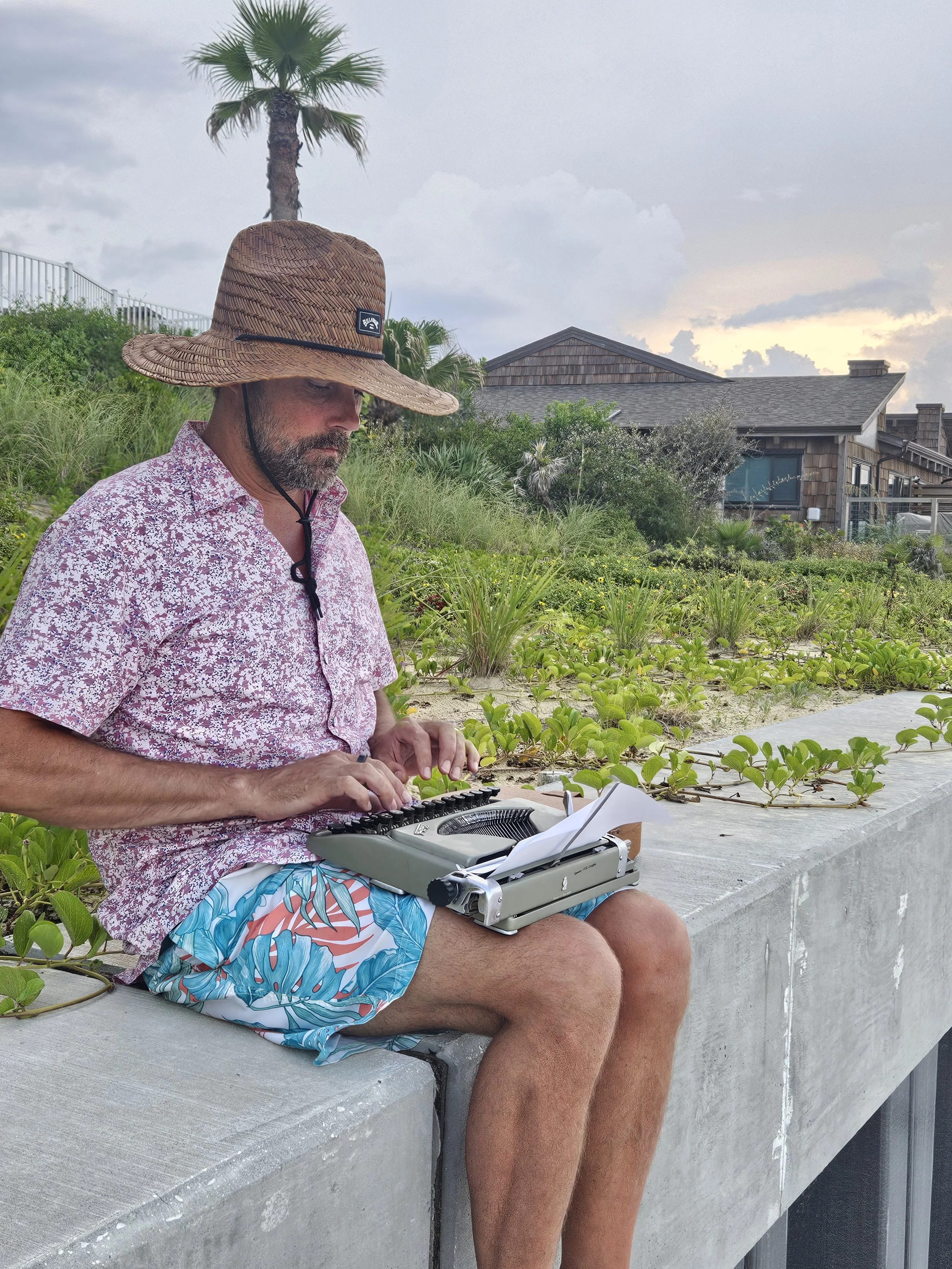
That’s me writing last summer. Oh, I always miss the Summer in winter. Working on The Screenless Writer book, across a variety of settings and machines.
The Screenless Life
There's a reason you're researching typewriters instead of faster laptops. Something about the constant connectivity of modern life isn't working.
A typewriter won't fix everything. It's a tool, not a meditation practice. But it creates space for a different kind of thinking. When you sit down at a typewriter, the internet disappears. The notifications stop. There's just you and the page.
Larry McMurtry wrote over 30 novels on typewriters. When asked why he never switched to a computer, he said: "I like the way the pages pile up."
Writers have used typewriters to produce the books that shaped the 20th century. There's no reason you can't use one to shape your own work in the 21st.
The mechanism is proven. The results are yours to discover.
I’m writing on a Groma Kolibri here, somewhere in Florida. Draft 2 of the Screenless Writer, where I added a variety of mini-outlines between pages and endeavored to keep the whole process Screenless.
Ready to Write?
I've spent over a decade restoring vintage typewriters and shipping them to writers across the country. Every machine I sell is professionally restored, tested, and guaranteed.
If you have questions about which model suits your needs, I'm happy to help. If you're ready to choose a typewriter, browse my current collection. Every machine includes a working guarantee, fresh ribbon, and care instructions.
The best typewriter is the one you'll actually use. Start there and trust the process.
Steven Budden
Classic Typewriter Co.
The Trusted Source of Professionally Restored Vintage Typewriters Since 2016
RESOURCES
WHAT SETS US APART
Our Promise | Warranty | Working Guarantee | Lifetime Tradein Policy